El Sabor De La Tierruca
1884
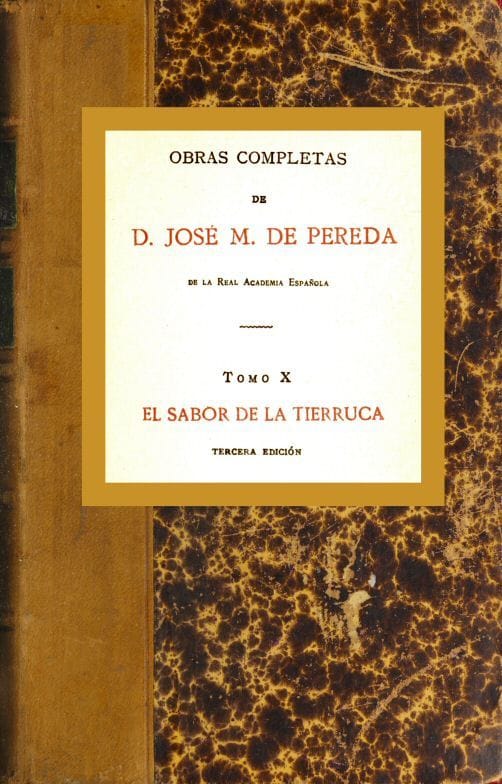
In a small village tucked into the green mountains of Cantabria, a majestic oak tree shades the conversations that will unravel a whole world. This is the tree under which Pablo, a young man deeply rooted in his homeland, speaks with Don Baldomero, who dismisses the value of books and learning. From this single shade, José María de Pereda weaves an intricate web of families, secrets, unspoken loves, and simmering conflicts that define life in a nineteenth-century Spanish village. As characters branch out like the oak's own limbs, we encounter Ana, whose arrival stirs the waters of the heart, and discover the tensions between those who remain faithful to the land and those who yearn for something beyond it. The novel pulses with the rhythms of rural customs, the weight of family obligation, and the slow burn of desire that refuses to speak its name. Rich with sensory detail that makes the mountains breathe and the village lanes feel familiar, this is a book that tastes of earth and memory, of belonging and its price. For readers who crave the immersive pleasure of disappearing into another world, another time, another way of living.
Editions
X-Ray
“-Lo que yo necesito, Nisco, para mi venganza -contestó con los ojos arrasados en lágrimas, -son dos corazones, o no haber querido nunca con el que tengo.””
— José María de Pereda
“Pero ¿qué importaban estas leves crudezas a los que llevaban la primavera en la mente y el estío en el corazón?””
— José María de Pereda
“(...) bebió, sorbo a sorbo, como si le refrescara, más que el agua que bebía, el contacto de aquella piel fina y rosada, misterioso centro en que a la sazón convergían los anhelos de dos almas y la esencia de dos vidas.””
— José María de Pereda
“Muy necio tiene que ser el que desconozca que le engaña quien se le brinda como remedio de todos sus males, como charlatán de feria, para desempeñar un cargo que, ejercido a conciencia, más es cruz de suplicio que ocasión de prosperidades.””
— José María de Pereda
“Y aquel desdichado, siervo del más tirano de los temperamentos, y condenado al suplicio de arrastrar su corazón por todas las asperezas de la vida, lloraba como un niño.””
— José María de Pereda
Link to this book
Add a free, dofollow link to Lex on your blog, forum, syllabus, or reading list.

<a href="https://lex-books.com/book/el-sabor-de-la-tierruca-2530fdf8-bff6-448d-98df-825aad15c6c2"><img src="https://lex-books.com/badges/read-on-lex.svg" alt="Read El Sabor De La Tierruca by José María de Pereda free on Lex" width="160" height="40"></a>[](https://lex-books.com/book/el-sabor-de-la-tierruca-2530fdf8-bff6-448d-98df-825aad15c6c2)[url=https://lex-books.com/book/el-sabor-de-la-tierruca-2530fdf8-bff6-448d-98df-825aad15c6c2][img]https://lex-books.com/badges/read-on-lex.svg[/img][/url]Read El Sabor De La Tierruca by José María de Pereda free on Lex: https://lex-books.com/book/el-sabor-de-la-tierruca-2530fdf8-bff6-448d-98df-825aad15c6c2Cite this book
Reading this edition for a paper or guide? Copy a citation.
Pereda, José María de. El Sabor De La Tierruca. Lex, lex-books.com/book/el-sabor-de-la-tierruca-2530fdf8-bff6-448d-98df-825aad15c6c2.Pereda, J. M. D. (1884). El Sabor De La Tierruca. Lex. https://lex-books.com/book/el-sabor-de-la-tierruca-2530fdf8-bff6-448d-98df-825aad15c6c2Pereda, José María de. El Sabor De La Tierruca. Lex. https://lex-books.com/book/el-sabor-de-la-tierruca-2530fdf8-bff6-448d-98df-825aad15c6c2.