
José Enrique Rodó
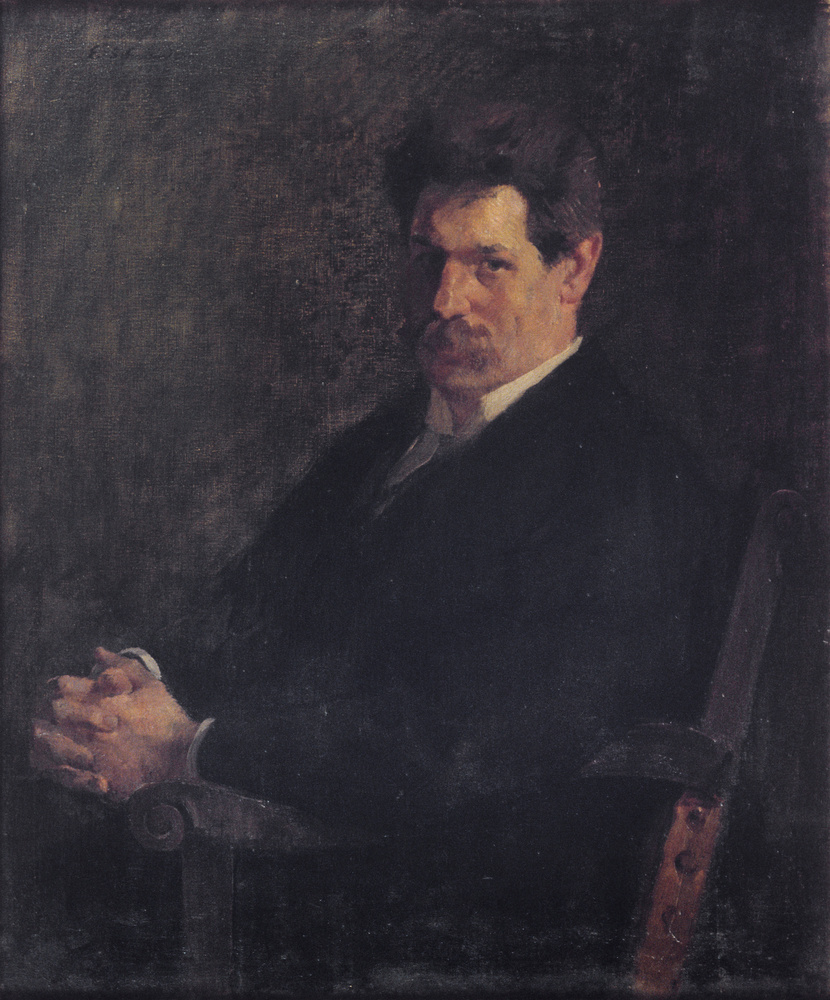
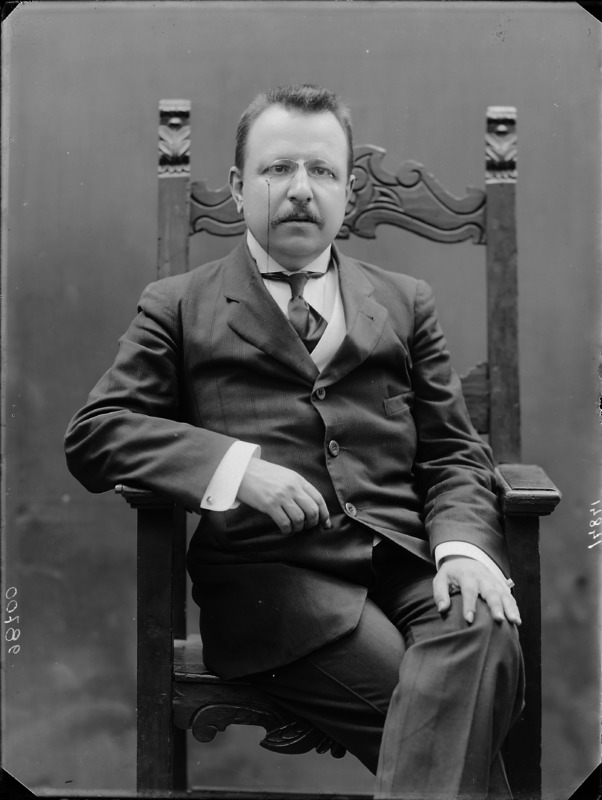
José Enrique Rodó was a prominent Uruguayan essayist, poet, and educator, best known for his influential work 'Ariel,' published in 1900. In this seminal essay, Rodó championed the ideals of beauty, spirituality, and the importance of cultural values in the face of materialism and utilitarianism, drawing inspiration from Shakespeare and the Renaissance. His writing reflected a deep concern for the moral and intellectual development of Latin America, advocating for a return to the philosophical and artistic roots that he believed were essential for the region's progress. Rodó's literary significance extends beyond 'Ariel,' as he was a key figure in the modernismo movement, which sought to infuse Latin American literature with European influences while maintaining a distinct cultural identity. His works, such as 'El espíritu de la letra' and 'Motivos de Proteo,' explored themes of identity, culture, and the human experience, establishing him as a voice of intellectual and cultural renewal in the early 20th century. Rodó's legacy endures as a foundational figure in Latin American literature, inspiring generations of writers and thinkers to engage with the complexities of their cultural heritage and the challenges of modernity.
Books from the author





Link to this page
Add a free, dofollow link to Lex on your blog, forum, syllabus, or reading list.

<a href="https://lex-books.com/author/josé-enrique-rodó"><img src="https://lex-books.com/badges/read-on-lex.svg" alt="José Enrique Rodó on Lex" width="160" height="40"></a>[](https://lex-books.com/author/josé-enrique-rodó)[url=https://lex-books.com/author/josé-enrique-rodó][img]https://lex-books.com/badges/read-on-lex.svg[/img][/url]José Enrique Rodó on Lex: https://lex-books.com/author/josé-enrique-rodó