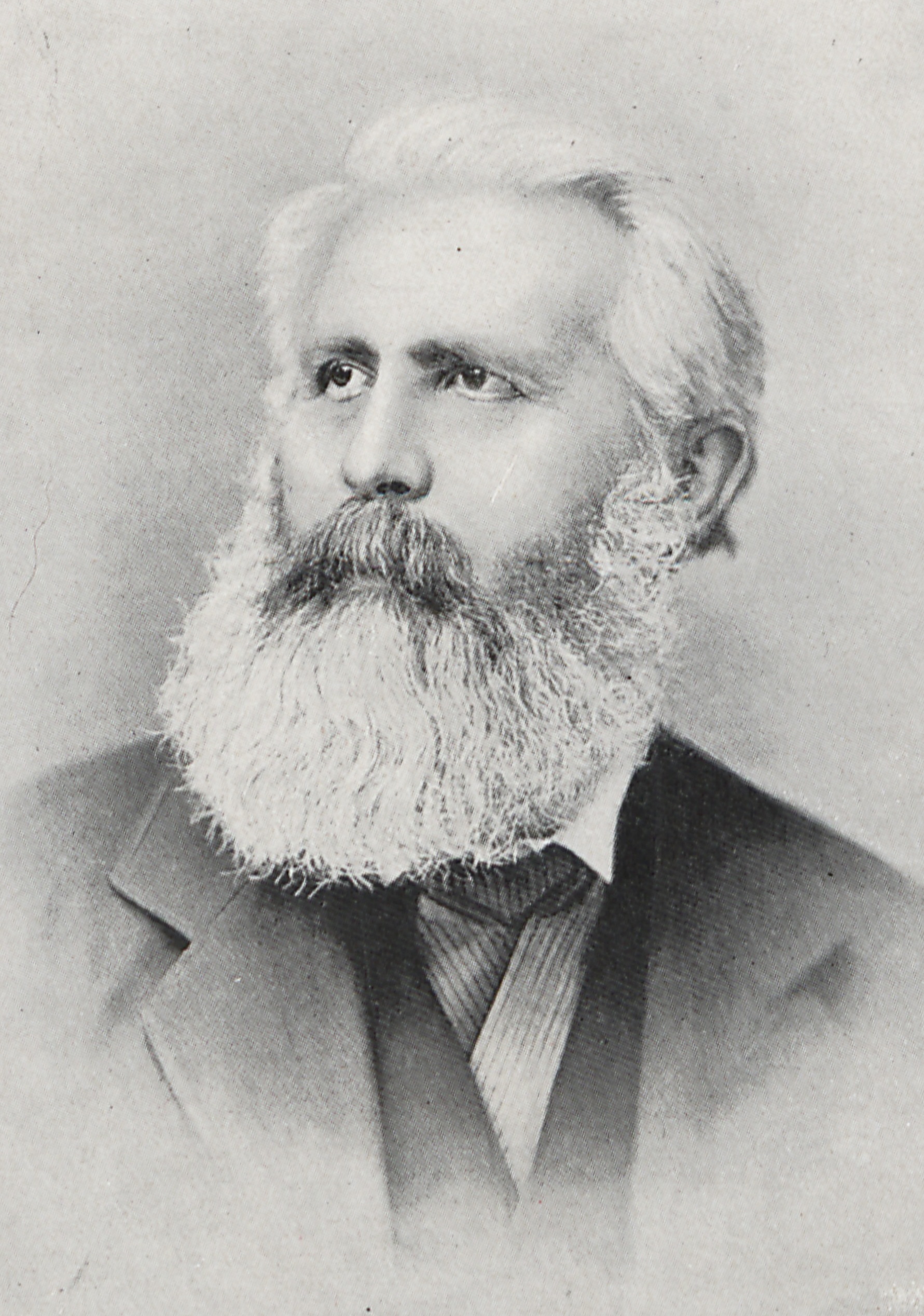
Joseph Dietzgen
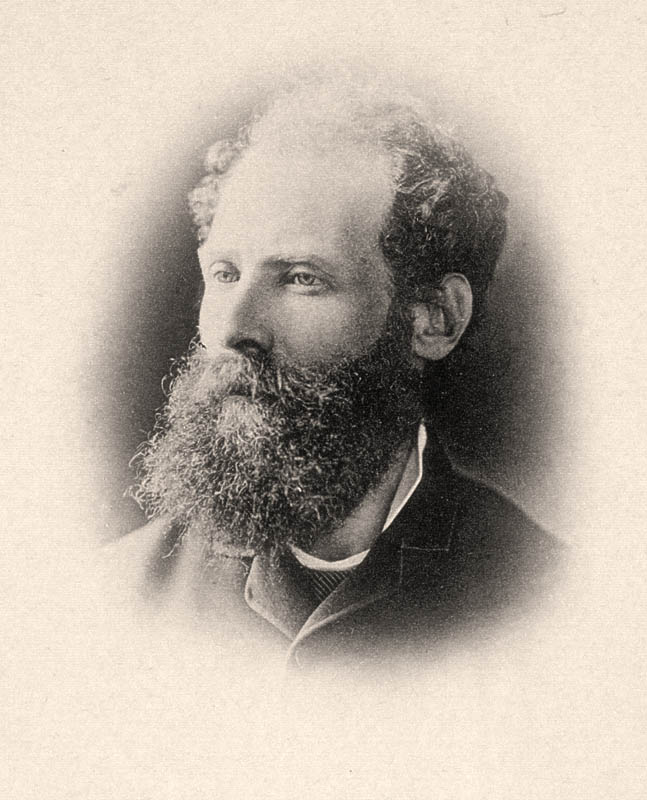
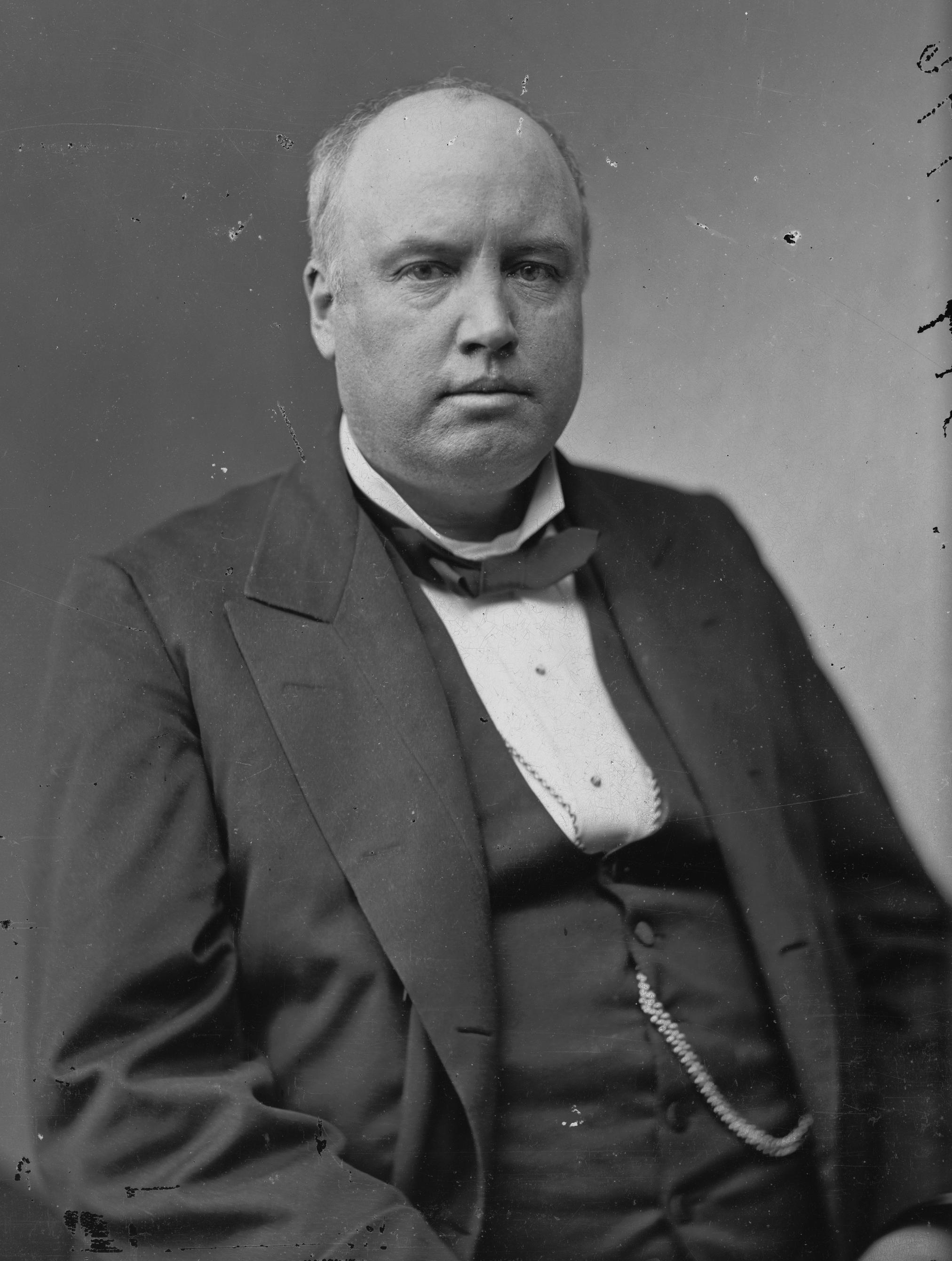
Joseph Dietzgen was a German socialist philosopher and journalist, known for his contributions to Marxist thought and his development of dialectical materialism. Born in Blankenberg, Prussia, he was the eldest of five children in a family of tanners. Despite his humble beginnings and lack of formal education, Dietzgen became a self-taught thinker who engaged deeply with the philosophical underpinnings of socialism. His work often emphasized the importance of material conditions in shaping human consciousness and society, positioning him as a significant figure within the broader Marxist tradition. Dietzgen's notable works include 'The Nature of Human Brain Work' and 'The Positive Outcome of Philosophy,' where he articulated his ideas on the interplay between thought and material reality. His independent philosophical stance distinguished him from contemporaries like Marx and Engels, as he sought to synthesize his understanding of dialectics with a unique perspective on social theory. Dietzgen's legacy endures in the realms of socialist philosophy, where his insights continue to influence discussions on materialism and the philosophy of science.
Famous Quotes
View all 3 quotes“The spiritualist or the idealist believes in a spiritual essence of force; spiritual, that is to say phantomatic, inexplicable. The man of materialist science is an unbeliever. Nowhere does a scientific justification exist either for belief or unbelief. Materialism has the advantage that it is not seeking the transcendental, the essence, the cause, the force behind phenomena nor that beyond matter. But when he misconstrues the distinction between force and matter, when he denies the existence of the whole problem, he merely slips around behind idealism. The materialist asserts the real indivisibility of matter and force and to explain their seperation, gives value solely to "an exterior reason, born of the need for systemisation of our consciousness.”
“[T]he heart is a very unreliable coinpass, and even will and knowledge, as all ideological factors in general, are not to be trusted as guides if they are without any material basis…. [I]t is not love nor help which is the guiding rule of our time, but hammer or anvil. In reality it is thus: who does not want to be a servant must try to become a master. Under such conditions it is idle to hope that people will sacrifice realities for ideal precepts. We are not sentimental enough to expect such things. Though we use moral arguments in our struggle against the bourgeois, we do all we can to stimulate our class consciousness.”
“Das, verehrte Mitbürger, ist ein vornehmlicher Beruf der Bildung, das alles Außerordentliche, d. h. was der Unkultur außerordentlich erscheint, zu etwas Ordinärem, Natürlichem, Gewöhnlichem oder Gesetzlichem zu defradieren.”
Books from the author




Link to this page
Add a free, dofollow link to Lex on your blog, forum, syllabus, or reading list.

<a href="https://lex-books.com/author/joseph-dietzgen"><img src="https://lex-books.com/badges/read-on-lex.svg" alt="Joseph Dietzgen on Lex" width="160" height="40"></a>[](https://lex-books.com/author/joseph-dietzgen)[url=https://lex-books.com/author/joseph-dietzgen][img]https://lex-books.com/badges/read-on-lex.svg[/img][/url]Joseph Dietzgen on Lex: https://lex-books.com/author/joseph-dietzgen