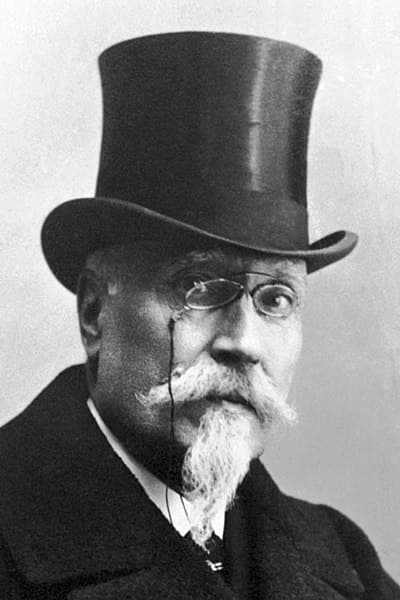
José Echegaray
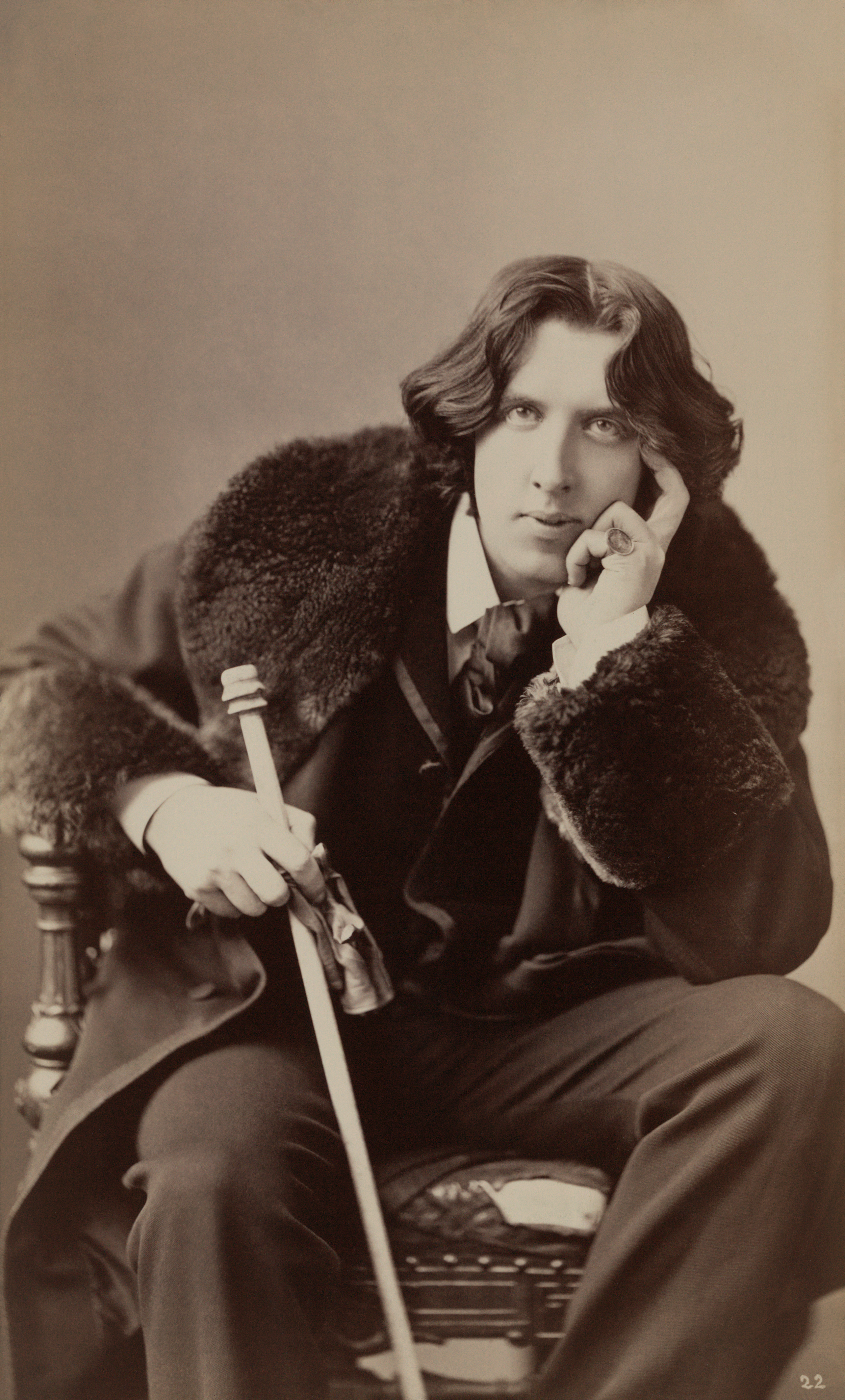
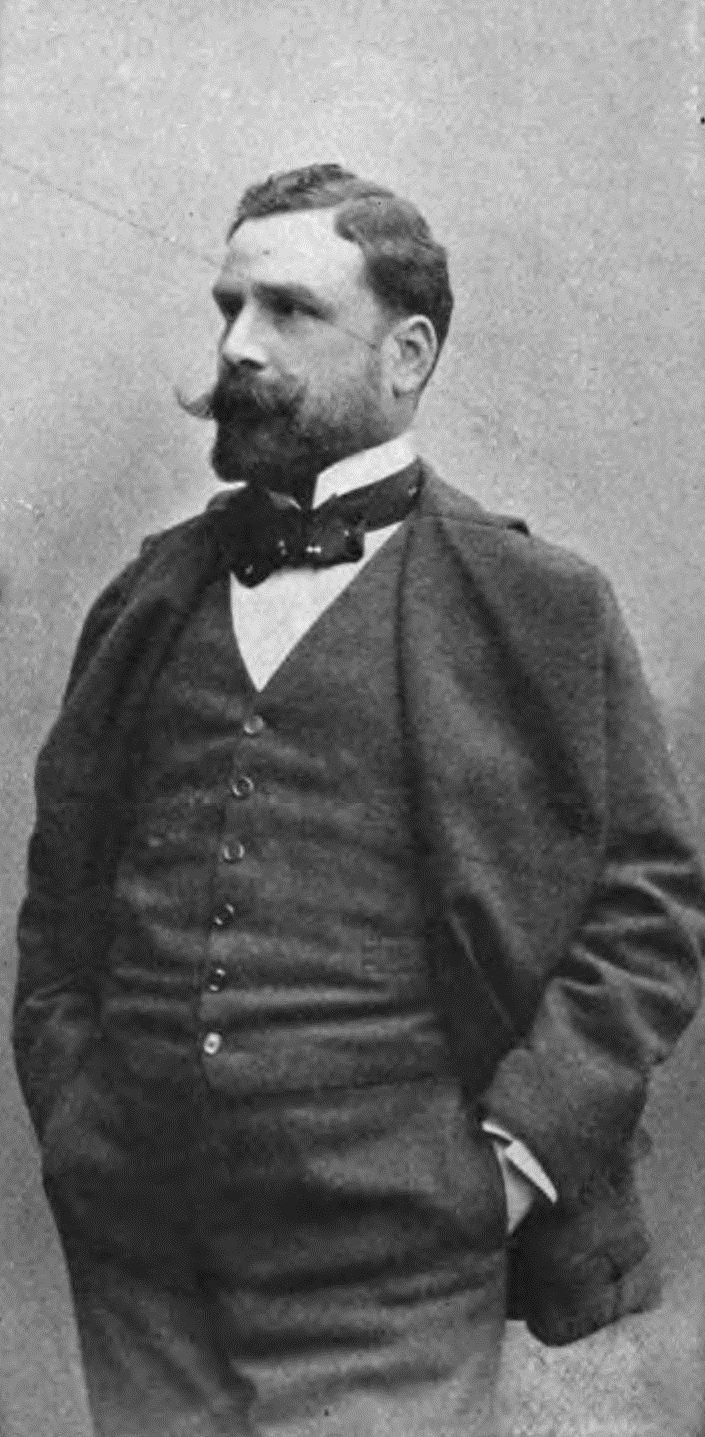
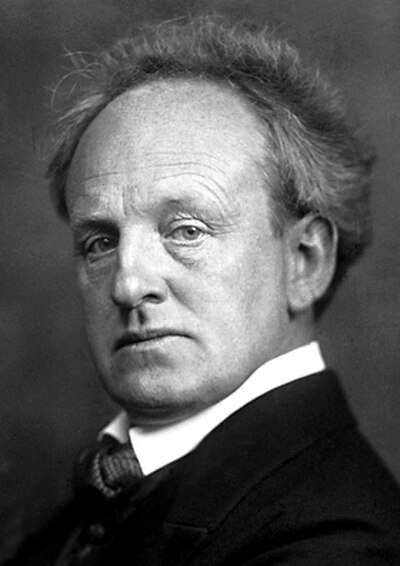
José Echegaray was a prominent Spanish playwright, poet, and novelist, known for his significant contributions to Spanish literature in the late 19th and early 20th centuries. Born in Madrid, Echegaray initially pursued a career in engineering before turning to literature, where he found his true calling. He became one of the leading figures of the Spanish literary movement known as the 'Modernismo,' which sought to break away from traditional forms and explore new themes and styles. His works often delved into complex psychological and philosophical issues, reflecting the tumultuous social changes of his time. Echegaray's most notable works include the plays "El gran galeoto" and "La muerte de un héroe," which showcase his mastery of dramatic dialogue and character development. He was awarded the Nobel Prize in Literature in 1904, becoming the first Spanish author to receive this honor. His writing is characterized by its emotional depth and exploration of moral dilemmas, making him a significant figure in the evolution of modern Spanish drama. Echegaray's legacy endures through his influence on subsequent generations of playwrights and writers, as well as his role in shaping the cultural landscape of Spain during a period of profound change.
Books from the author






Link to this page
Add a free, dofollow link to Lex on your blog, forum, syllabus, or reading list.

<a href="https://lex-books.com/author/josé-echegaray"><img src="https://lex-books.com/badges/read-on-lex.svg" alt="José Echegaray on Lex" width="160" height="40"></a>[](https://lex-books.com/author/josé-echegaray)[url=https://lex-books.com/author/josé-echegaray][img]https://lex-books.com/badges/read-on-lex.svg[/img][/url]José Echegaray on Lex: https://lex-books.com/author/josé-echegaray