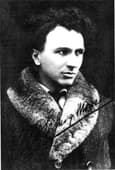
Ercole Luigi Morselli
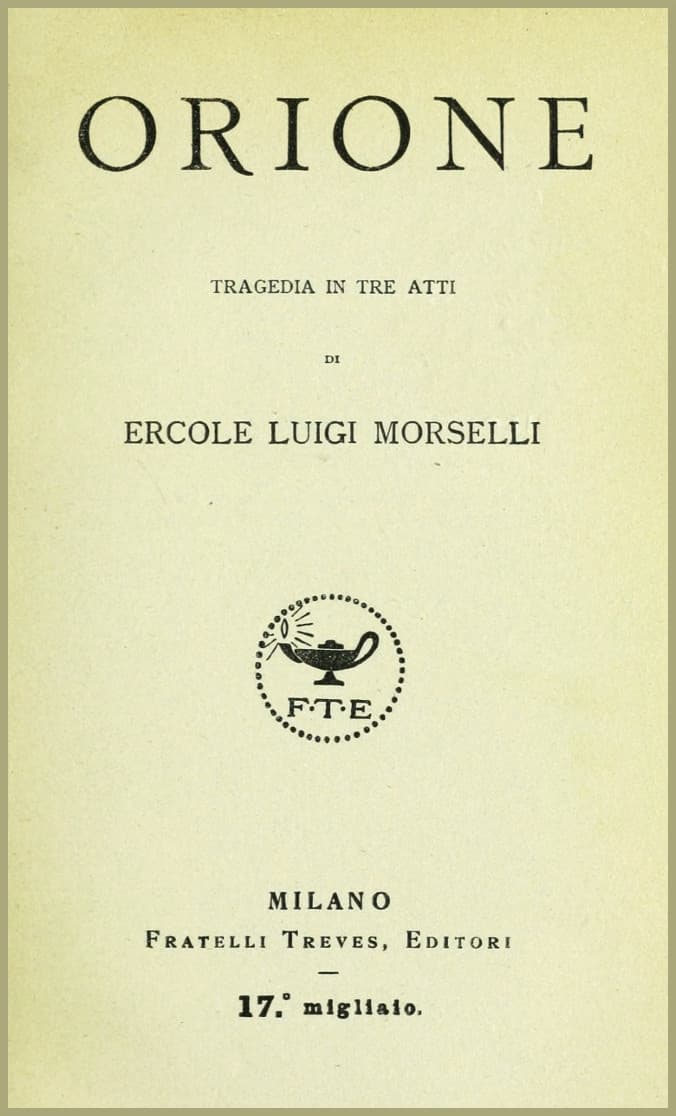
Ercole Luigi Morselli was an Italian writer and dramatist known for his innovative approach to classical myths and his exploration of antiheroes. Born in Pesaro and later moving to Florence, Morselli faced a tumultuous early life marked by failed attempts at studying medicine and literature. His literary career began slowly, supported by his mother, until he found success with his tragicomedy 'Orione' in 1910, which cleverly depicted a demigod with earthly desires. Morselli's work often contrasted with the prevailing literary trends of his time, particularly those of Gabriele D'Annunzio, as he focused on flawed characters and the complexities of human nature. His later play 'Glauco' achieved significant acclaim in 1919, portraying the journey of a fisherman who becomes the god of the sea, only to discover that power does not equate to happiness. Morselli's contributions to literature extended beyond drama; his short story 'La donna ragno' (The Spider Woman) is considered one of the early works of science fiction in Italy. Despite his struggles, including a battle with tuberculosis that ultimately claimed his life in 1921, Morselli's legacy endures through his unique narrative style and his ability to challenge conventional themes in Italian literature.
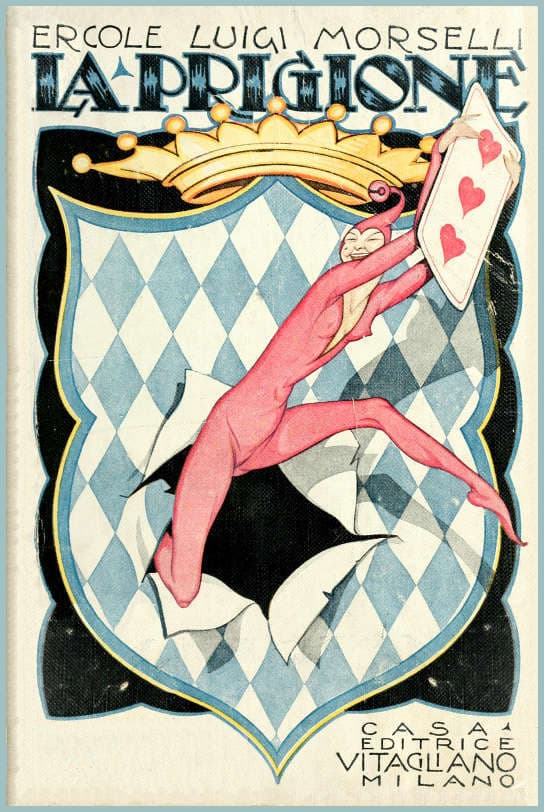
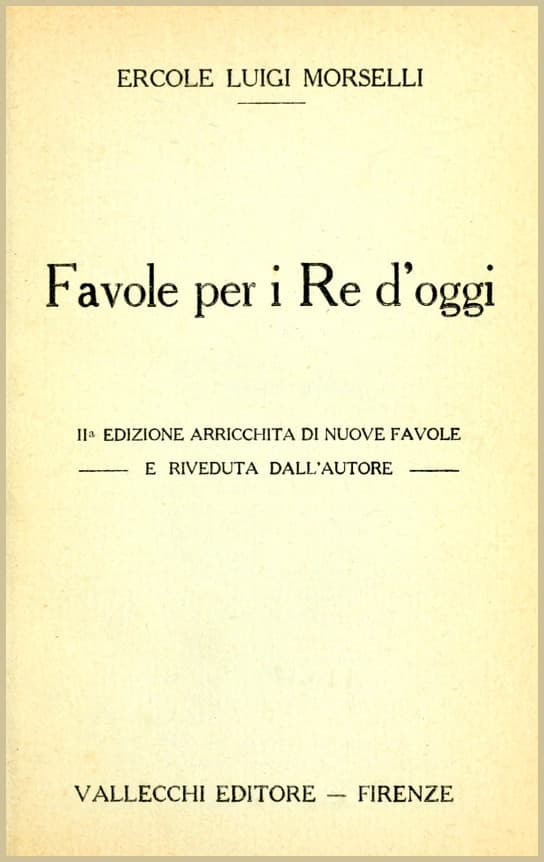
Books from the author

Link to this page
Add a free, dofollow link to Lex on your blog, forum, syllabus, or reading list.

<a href="https://lex-books.com/author/ercole-luigi-morselli"><img src="https://lex-books.com/badges/read-on-lex.svg" alt="Ercole Luigi Morselli on Lex" width="160" height="40"></a>[](https://lex-books.com/author/ercole-luigi-morselli)[url=https://lex-books.com/author/ercole-luigi-morselli][img]https://lex-books.com/badges/read-on-lex.svg[/img][/url]Ercole Luigi Morselli on Lex: https://lex-books.com/author/ercole-luigi-morselli