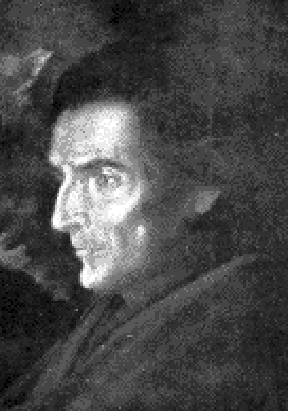
José de Acosta
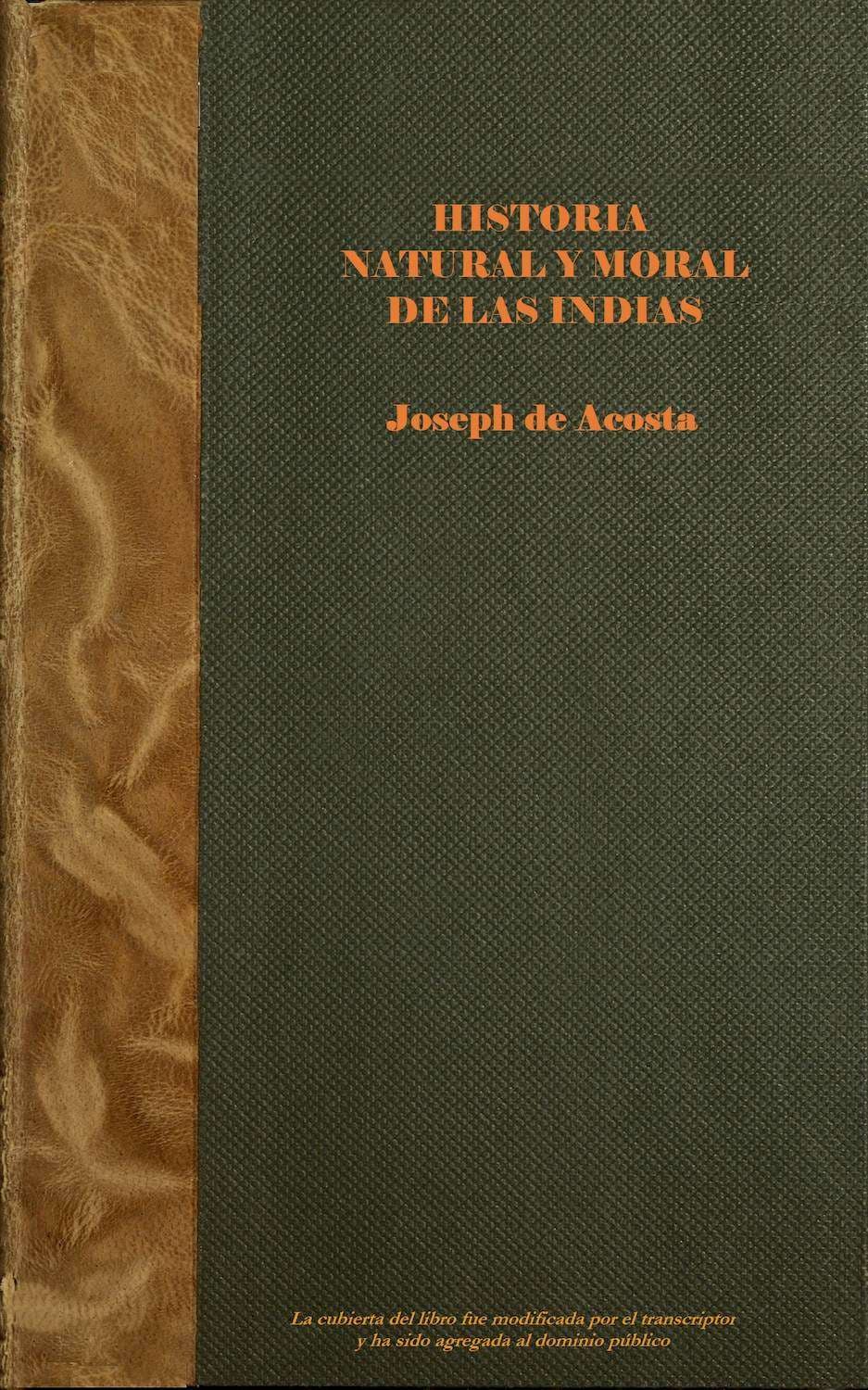
José de Acosta was a Spanish Jesuit missionary, historian, and naturalist whose works significantly contributed to the understanding of the New World during the late 16th century. Born in Spain, Acosta traveled to Peru, where he spent nearly 20 years studying the indigenous peoples, their cultures, and the natural environment. His most notable work, 'Historia natural y moral de las Indias,' published in 1590, combined observations of the flora and fauna with reflections on the moral and social implications of colonialism. This work is considered one of the first comprehensive accounts of the Americas and provided a critical perspective on the impact of European colonization on indigenous societies. Acosta's writings were instrumental in shaping European perceptions of the New World, blending scientific inquiry with moral philosophy. He argued for the humane treatment of indigenous peoples and critiqued the excesses of colonial exploitation. His influence extended beyond his lifetime, as his ideas about natural history and anthropology laid the groundwork for future scholars and explorers. Acosta's legacy endures as a pioneering figure in the fields of ethnography and environmental science, making him a crucial voice in the early discourse on colonialism and its consequences.
Famous Quotes
View all 1 quotes“Muy distinto sería el escenario si las religiones dialogaran y se comprometieran, entre sí y junto con los no creyentes, en el trabajo por la paz, la lucha por la justicia, la defensa de la naturaleza como hogar de los seres humanos, el logro de la igualdad y el reconocimiento de la diversidad.[””
Books from the author










Link to this page
Add a free, dofollow link to Lex on your blog, forum, syllabus, or reading list.

<a href="https://lex-books.com/author/josé-de-acosta"><img src="https://lex-books.com/badges/read-on-lex.svg" alt="José de Acosta on Lex" width="160" height="40"></a>[](https://lex-books.com/author/josé-de-acosta)[url=https://lex-books.com/author/josé-de-acosta][img]https://lex-books.com/badges/read-on-lex.svg[/img][/url]José de Acosta on Lex: https://lex-books.com/author/josé-de-acosta