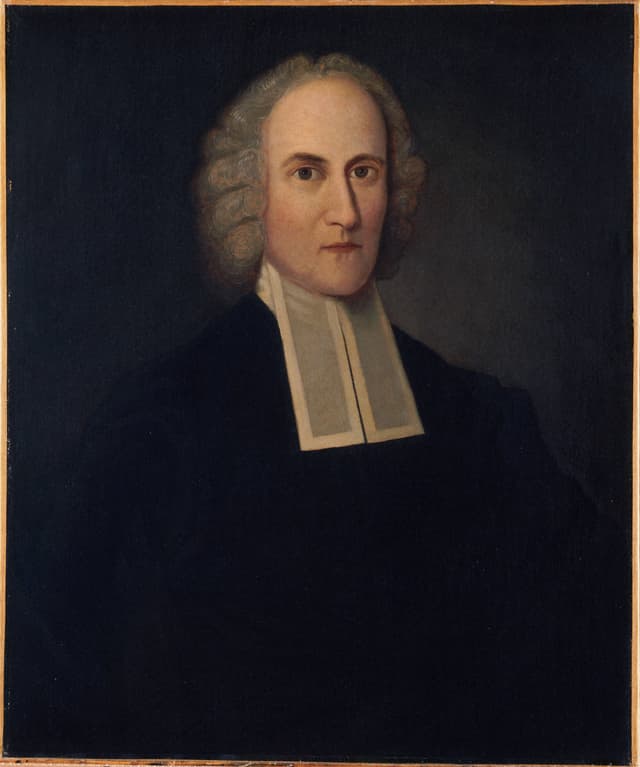
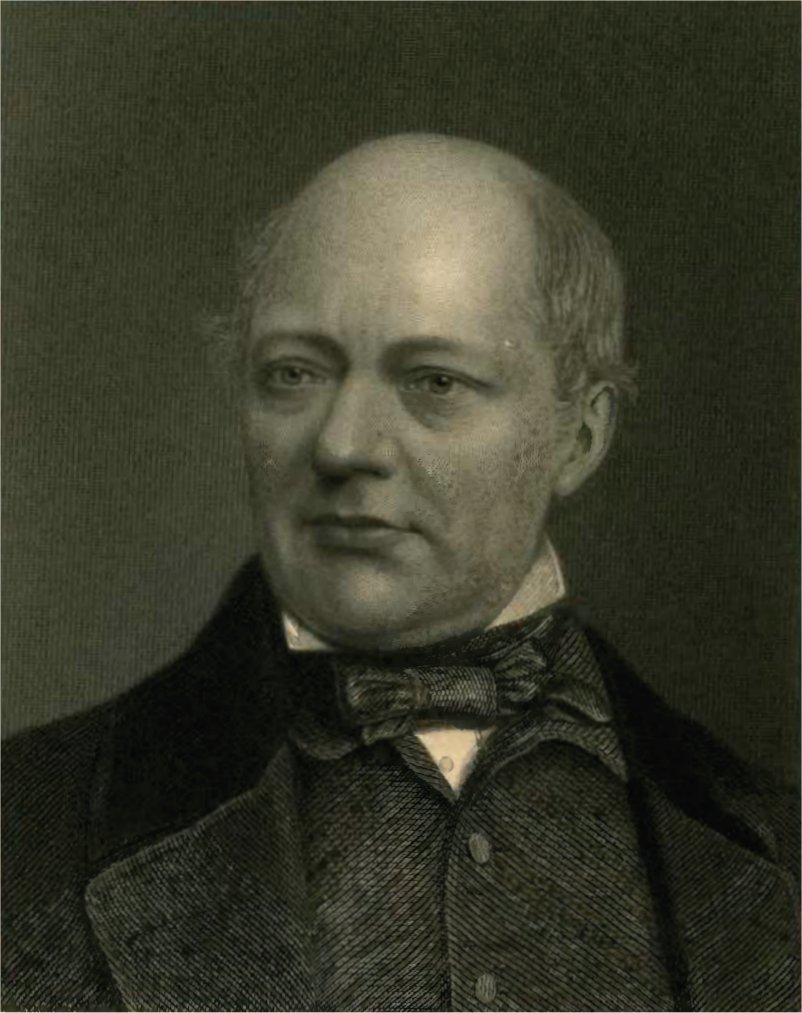
Jonathan Edwards
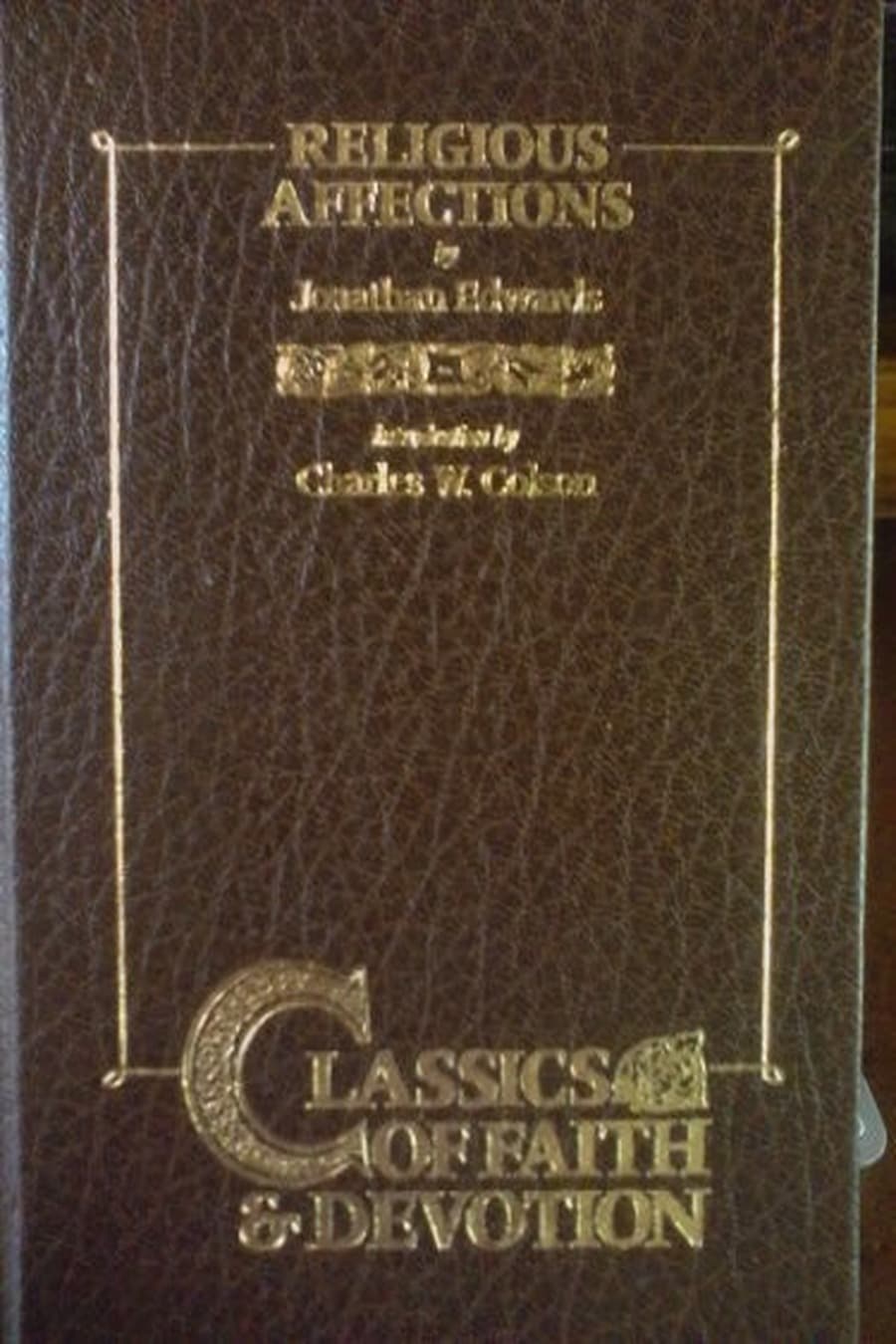
Jonathan Edwards was an influential American revivalist preacher, philosopher, and Congregationalist theologian, known for his profound impact on the First Great Awakening in the 18th century. Born in East Windsor, Connecticut, he was educated at Yale College, where he developed a keen interest in theology and philosophy. Edwards's sermons, particularly 'Sinners in the Hands of an Angry God,' exemplified his fiery preaching style and deep engagement with the human condition, emphasizing themes of sin, redemption, and the sovereignty of God. His ability to evoke emotional responses from his congregation marked a significant shift in American religious life. In addition to his preaching, Edwards was a prolific writer and thinker, contributing to the development of American philosophy and theology. His works, such as 'The Freedom of the Will' and 'Religious Affections,' explored complex ideas about human nature, divine grace, and the relationship between faith and reason. Edwards's legacy extends beyond his lifetime; he is often credited with laying the groundwork for the modern evangelical movement and influencing subsequent generations of theologians and philosophers. His emphasis on personal religious experience and emotional engagement continues to resonate in contemporary religious thought.
Famous Quotes
View all 3 quotes“God is the highest good of the reasonable creature. The enjoyment of him is our proper; and is the only happiness with which our souls can be satisfied. To go to heaven, fully to enjoy God, is infinitely better than the most pleasant accommodations here. Better than fathers and mothers, husbands, wives, or children, or the company of any, or all earthly friends. These are but shadows; but the enjoyment of God is the substance. These are but scattered beams; but God is the sun. These are but streams; but God is the fountain. These are but drops, but God is the ocean.”
“You contribute nothing to your salvation except the sin that made it necessary.”
“Lord, stamp eternity on my eyeballs.”
Books from the author




Link to this page
Add a free, dofollow link to Lex on your blog, forum, syllabus, or reading list.

<a href="https://lex-books.com/author/jonathan-edwards"><img src="https://lex-books.com/badges/read-on-lex.svg" alt="Jonathan Edwards on Lex" width="160" height="40"></a>[](https://lex-books.com/author/jonathan-edwards)[url=https://lex-books.com/author/jonathan-edwards][img]https://lex-books.com/badges/read-on-lex.svg[/img][/url]Jonathan Edwards on Lex: https://lex-books.com/author/jonathan-edwards