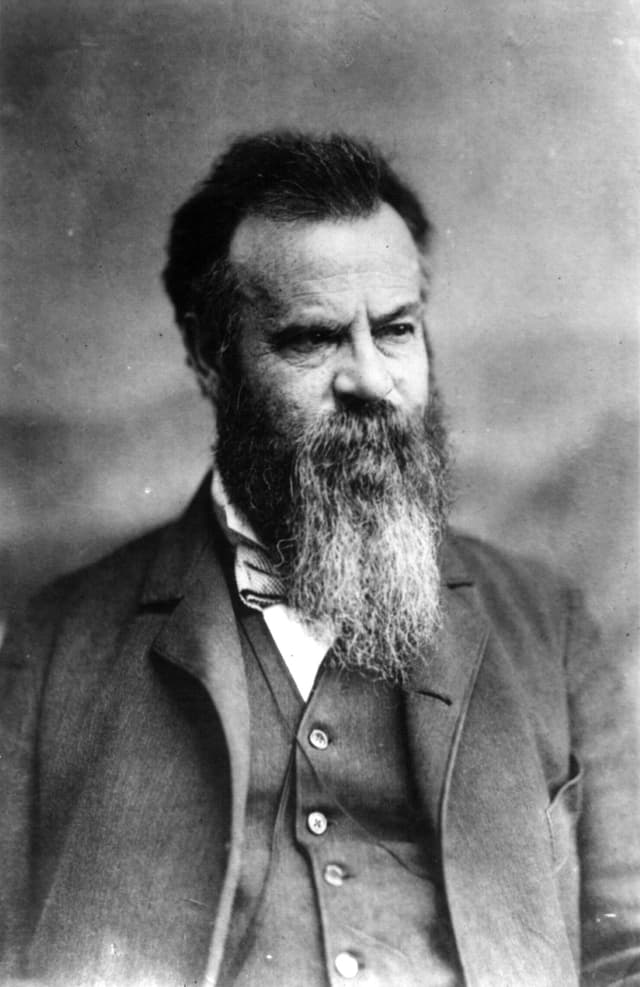
John Wesley Powell
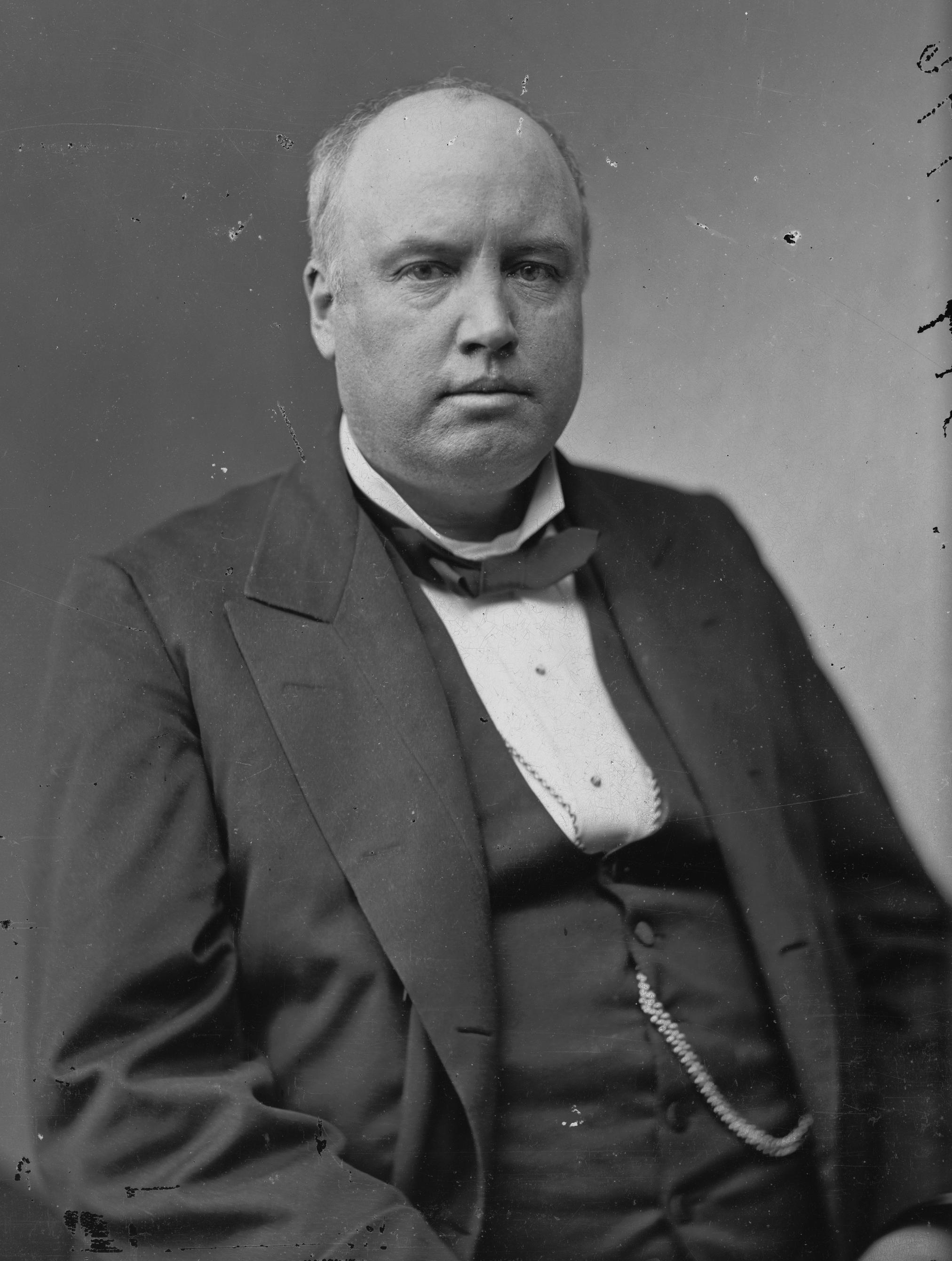
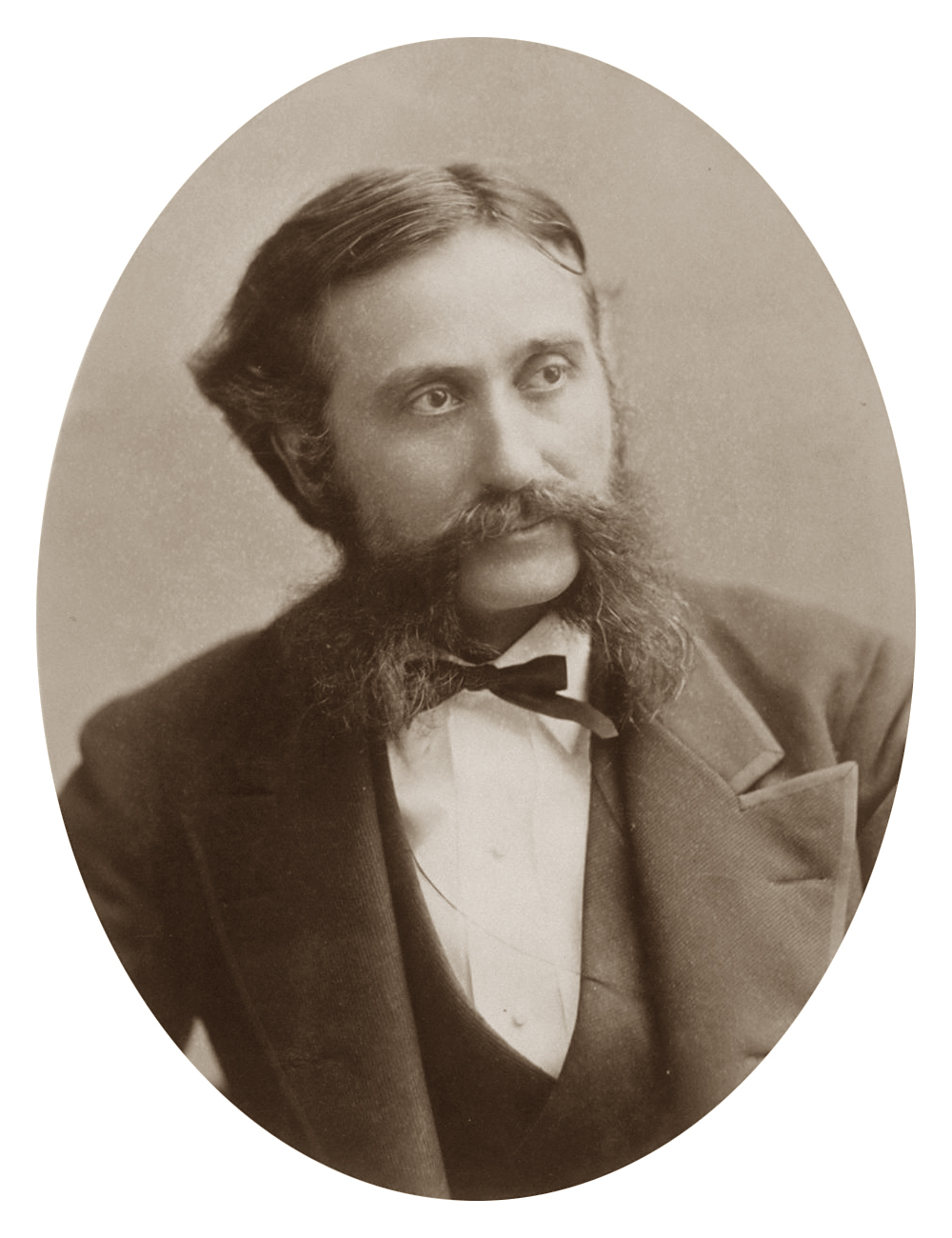
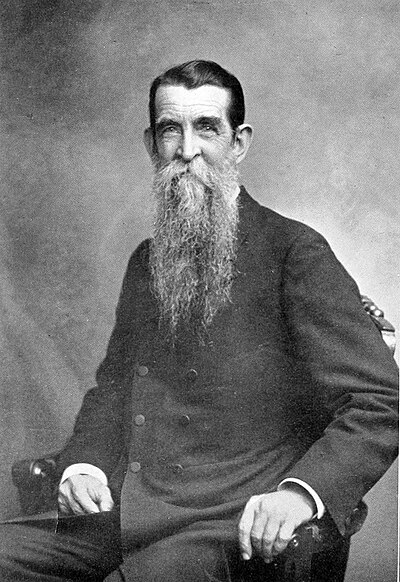
John Wesley Powell was an influential American geologist, soldier, and explorer, best known for his pioneering expedition through the Grand Canyon in 1869. This three-month journey down the Green and Colorado rivers marked the first official U.S. government-sponsored passage through this iconic landscape, showcasing his adventurous spirit and commitment to scientific exploration. Powell's contributions extended beyond exploration; he served as the second director of the U.S. Geological Survey from 1881 to 1894, where he advocated for sustainable development policies in the arid West, demonstrating a keen understanding of the region's environmental challenges. In addition to his geological work, Powell was the first director of the Bureau of Ethnology at the Smithsonian Institution, where he championed the study of Native American cultures, languages, and societies. His efforts in promoting ethnological research laid the groundwork for future studies in anthropology. Powell's legacy is marked by his dedication to both scientific inquiry and the preservation of cultural heritage, making him a significant figure in the history of American exploration and environmental policy.
Famous Quotes
View all 3 quotes“The Grand Canyon is a land of song. Mountains of music swell in the rivers, hills of music billow in the creeks, and meadows of music murmur in the rills that ripple over the rocks. Altogether it is a symphony of multitudinous melodies. All this is the music of waters. The adamant foundations of the earth have been wrought into a sublime harp, upon which the clouds of the heavens play with mighty tempests or with gentle showers.”
“Many years have passed since the exploration, and those who were boys with me in the enterprise are--ah, most of them are dead, and the living are gray with age. Their bronzed, hardy, brave faces come before me as they appeared in the vigor of life; their lithe but powerful forms seem to move around me; and the memory of the men and their heroic deeds, the men and their generous acts, overwhelms me with a joy that seems almost a grief, for it starts a fountain of tears. I was a maimed man; my right arm was gone; and these brave men, these good men, never forgot it. In every danger my safety was their first care, and in every waking hour some kind service was rendered me, and they transfigured my misfortune into a boon.”
“The Grand Canyon is a gorge 217 miles in length, through which flows a great river with many storm-born tributaries. It”
Books from the author


Link to this page
Add a free, dofollow link to Lex on your blog, forum, syllabus, or reading list.

<a href="https://lex-books.com/author/john-wesley-powell"><img src="https://lex-books.com/badges/read-on-lex.svg" alt="John Wesley Powell on Lex" width="160" height="40"></a>[](https://lex-books.com/author/john-wesley-powell)[url=https://lex-books.com/author/john-wesley-powell][img]https://lex-books.com/badges/read-on-lex.svg[/img][/url]John Wesley Powell on Lex: https://lex-books.com/author/john-wesley-powell