Sketch of the Mythology of the North American Indians: First Annual Report of the Bureau of Ethnology to the Secretary of the Smithsonian Institution, 1879-80, Government Printing Office, Washington, 1881, Pages 17-56
Sketch of the Mythology of the North American Indians: First Annual Report of the Bureau of Ethnology to the Secretary of the Smithsonian Institution, 1879-80, Government Printing Office, Washington, 1881, Pages 17-56
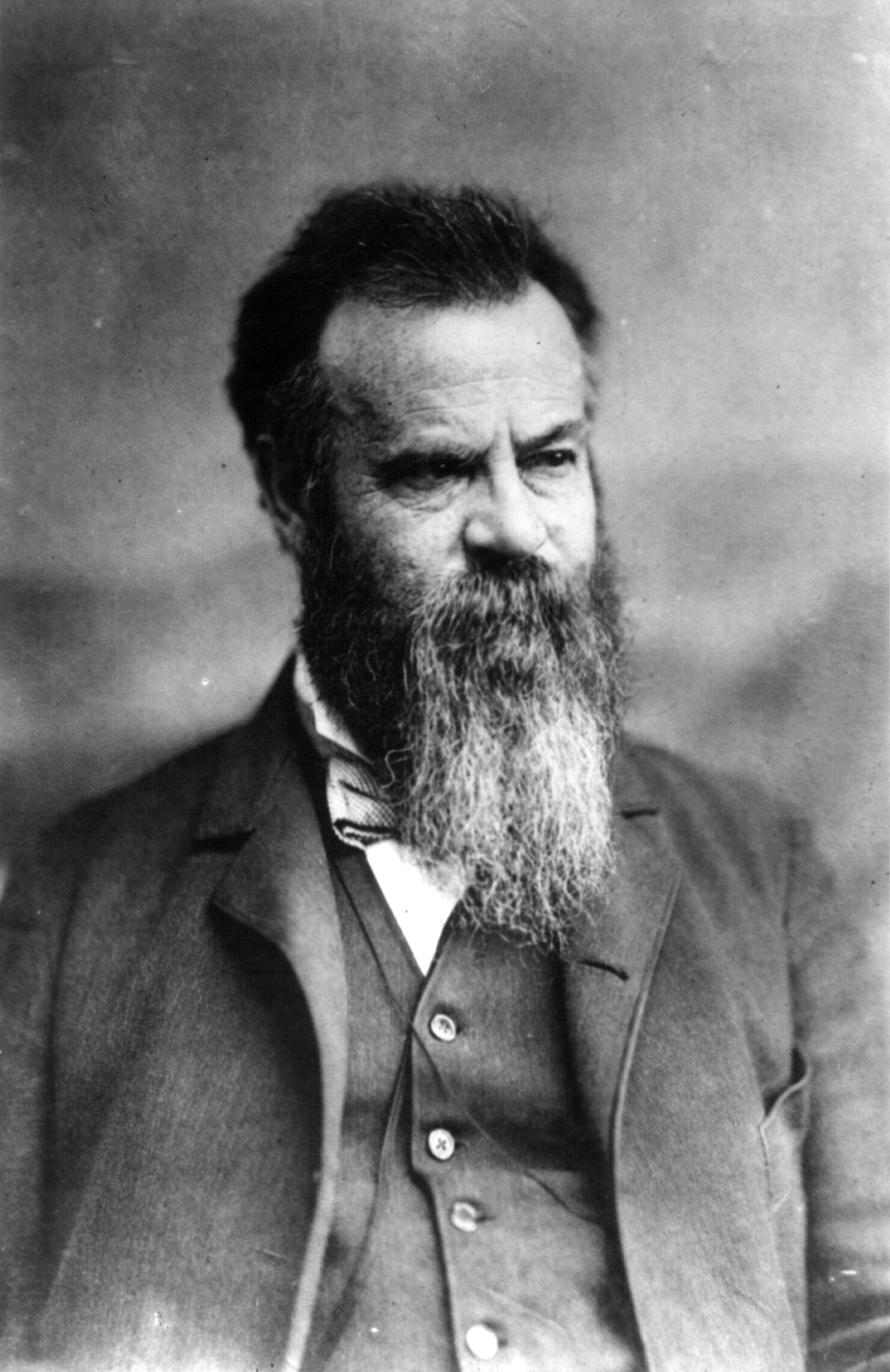
John Wesley Powell's 1881 study stands as one of the first systematic attempts by the American government to understand Native American mythology on its own philosophical terms. Written by the famed explorer and first director of the U.S. Geological Survey, this work emerged from Powell's leadership of the newly founded Bureau of Ethnology. He argues that mythology represents a distinct form of philosophy, one that emerges from humanity's deep need to explain natural phenomena through narrative and belief. Powell traces how various tribes construct cosmological systems from their observations of the world around them, revealing patterns in how different cultures interpret the same fundamental questions about creation, nature, and existence. The work is less a collection of myths than an analysis of how myth functions as a way of knowing. Powell contrasts what he calls mythological thinking with scientific thought, positioning indigenous philosophy not as primitive error but as a legitimate attempt to make meaning. This approach was remarkably progressive for its time. The text surveys the broad spectrum of Native American mythological traditions, examining how personal experience and communal belief intertwine to produce rich interpretive frameworks about the forces of nature. Today, the work remains significant for historians of anthropology and students of indigenous thought, though readers should approach it as a historical document reflecting 19th-century scholarly frameworks.
Editions
Link to this book
Add a free, dofollow link to Lex on your blog, forum, syllabus, or reading list.

<a href="https://lex-books.com/book/sketch-of-the-mythology-of-the-north-american-indians-first-annual-report-of-the-13bd7f12-47f2-443e-b41f-d8dbe1cc60d3"><img src="https://lex-books.com/badges/read-on-lex.svg" alt="Read Sketch of the Mythology of the North American Indians: First Annual Report of the Bureau of Ethnology to the Secretary of the Smithsonian Institution, 1879-80, Government Printing Office, Washington, 1881, Pages 17-56 by John Wesley Powell free on Lex" width="160" height="40"></a>[](https://lex-books.com/book/sketch-of-the-mythology-of-the-north-american-indians-first-annual-report-of-the-13bd7f12-47f2-443e-b41f-d8dbe1cc60d3)[url=https://lex-books.com/book/sketch-of-the-mythology-of-the-north-american-indians-first-annual-report-of-the-13bd7f12-47f2-443e-b41f-d8dbe1cc60d3][img]https://lex-books.com/badges/read-on-lex.svg[/img][/url]Read Sketch of the Mythology of the North American Indians: First Annual Report of the Bureau of Ethnology to the Secretary of the Smithsonian Institution, 1879-80, Government Printing Office, Washington, 1881, Pages 17-56 by John Wesley Powell free on Lex: https://lex-books.com/book/sketch-of-the-mythology-of-the-north-american-indians-first-annual-report-of-the-13bd7f12-47f2-443e-b41f-d8dbe1cc60d3Cite this book
Reading this edition for a paper or guide? Copy a citation.
Powell, John Wesley. Sketch of the Mythology of the North American Indians: First Annual Report of the Bureau of Ethnology to the Secretary of the Smithsonian Institution, 1879-80, Government Printing Office, Washington, 1881, Pages 17-56. Lex, lex-books.com/book/sketch-of-the-mythology-of-the-north-american-indians-first-annual-report-of-the-13bd7f12-47f2-443e-b41f-d8dbe1cc60d3.Powell, J. W. (n.d.). Sketch of the Mythology of the North American Indians: First Annual Report of the Bureau of Ethnology to the Secretary of the Smithsonian Institution, 1879-80, Government Printing Office, Washington, 1881, Pages 17-56. Lex. https://lex-books.com/book/sketch-of-the-mythology-of-the-north-american-indians-first-annual-report-of-the-13bd7f12-47f2-443e-b41f-d8dbe1cc60d3Powell, John Wesley. Sketch of the Mythology of the North American Indians: First Annual Report of the Bureau of Ethnology to the Secretary of the Smithsonian Institution, 1879-80, Government Printing Office, Washington, 1881, Pages 17-56. Lex. https://lex-books.com/book/sketch-of-the-mythology-of-the-north-american-indians-first-annual-report-of-the-13bd7f12-47f2-443e-b41f-d8dbe1cc60d3.