Report on the Lands of the Arid Region of the United States, with a More Detailed Account of the Lands of Utah
1878
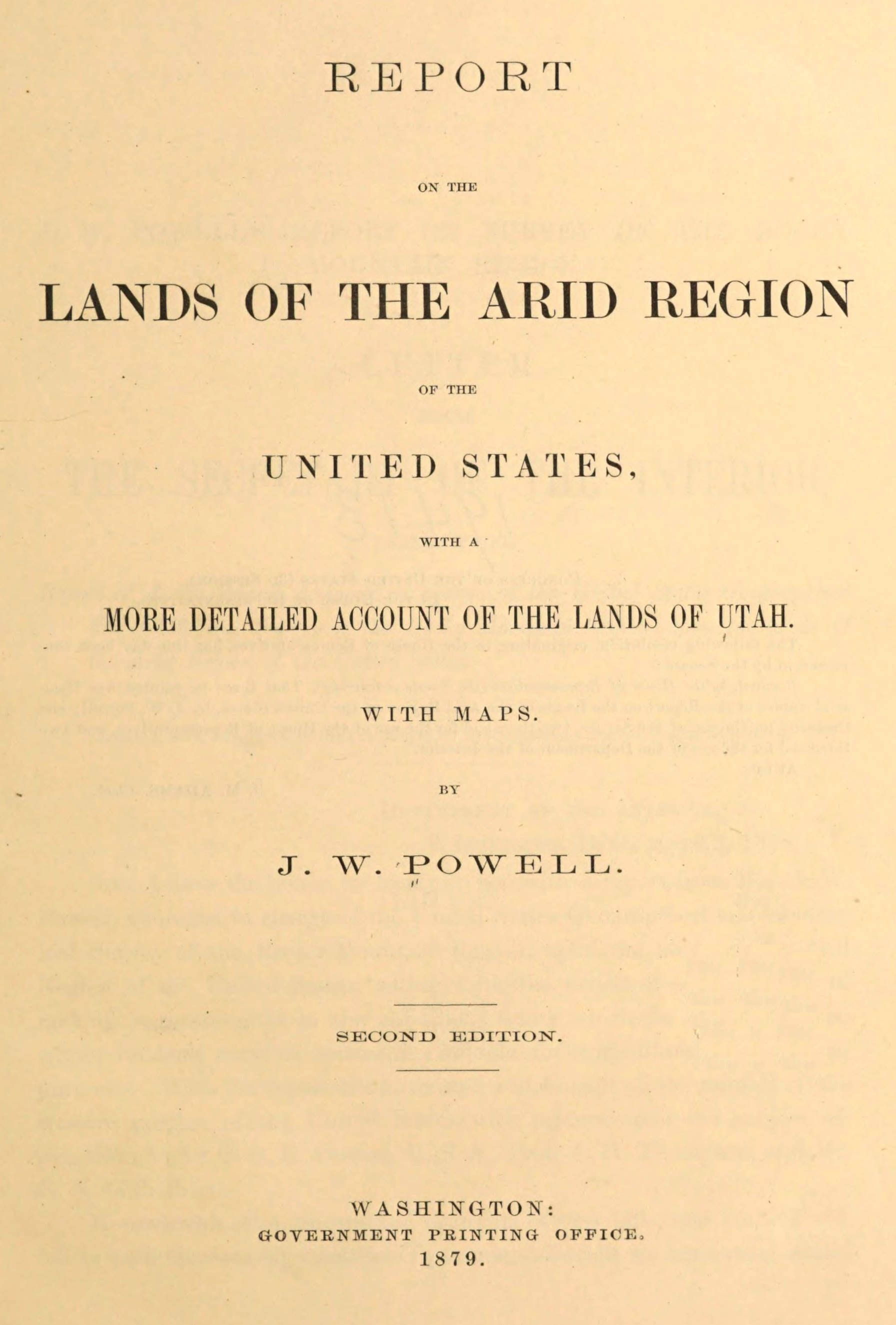
Report on the Lands of the Arid Region of the United States, with a More Detailed Account of the Lands of Utah
1878
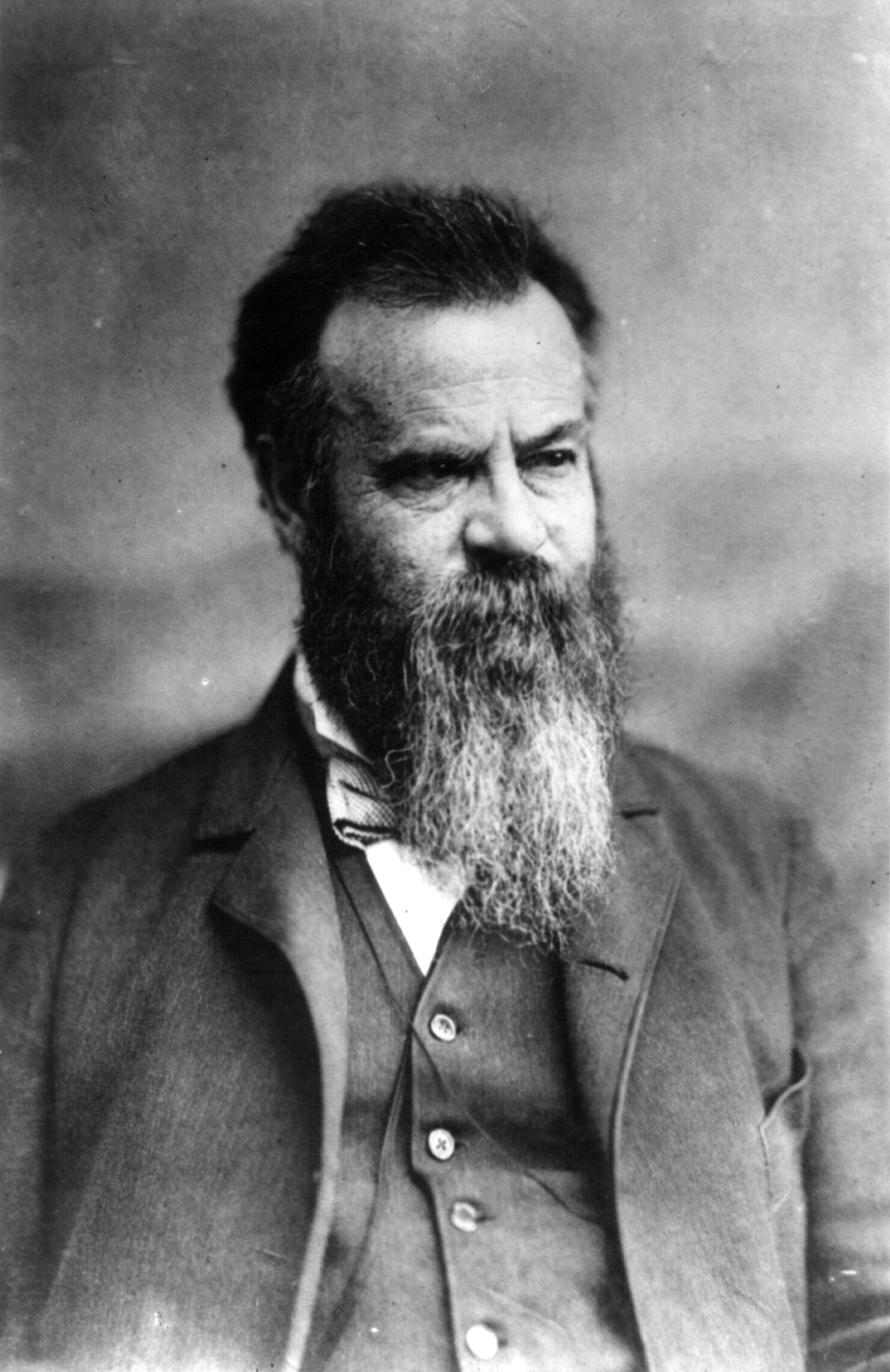
In 1878, a one-armed Civil War veteran and explorer stood before Congress with a radical proposition: the American West could not be farmed like the East. Water, not land, was the scarce resource. John Wesley Powell had spent years surveying the Colorado Plateau, the Great Basin, and the Colorado River, and he understood something his contemporaries refused to accept - that this vast arid territory required entirely new rules for human settlement. He proposed organizing the West not into square townships but around watersheds, limiting development to what the land could sustain, and treating irrigation as the foundation of civilization in a place where rain was a stranger. His report was rejected, mocked, and buried by an expansionist nation hungry for conquest. It would take a century of drought, aquifer depletion, and ecological collapse for Powell to be proven right. This is the book that invented the environmental logic of the American West - and that was ignored for generations.
Editions
Link to this book
Add a free, dofollow link to Lex on your blog, forum, syllabus, or reading list.

<a href="https://lex-books.com/book/report-on-the-lands-of-the-arid-region-of-the-united-states-with-a-more-detailed-2454cdb6-bc6d-4e08-9a0a-c62ca3b61d8c"><img src="https://lex-books.com/badges/read-on-lex.svg" alt="Read Report on the Lands of the Arid Region of the United States, with a More Detailed Account of the Lands of Utah by John Wesley Powell free on Lex" width="160" height="40"></a>[](https://lex-books.com/book/report-on-the-lands-of-the-arid-region-of-the-united-states-with-a-more-detailed-2454cdb6-bc6d-4e08-9a0a-c62ca3b61d8c)[url=https://lex-books.com/book/report-on-the-lands-of-the-arid-region-of-the-united-states-with-a-more-detailed-2454cdb6-bc6d-4e08-9a0a-c62ca3b61d8c][img]https://lex-books.com/badges/read-on-lex.svg[/img][/url]Read Report on the Lands of the Arid Region of the United States, with a More Detailed Account of the Lands of Utah by John Wesley Powell free on Lex: https://lex-books.com/book/report-on-the-lands-of-the-arid-region-of-the-united-states-with-a-more-detailed-2454cdb6-bc6d-4e08-9a0a-c62ca3b61d8cCite this book
Reading this edition for a paper or guide? Copy a citation.
Powell, John Wesley. Report on the Lands of the Arid Region of the United States, with a More Detailed Account of the Lands of Utah. Lex, lex-books.com/book/report-on-the-lands-of-the-arid-region-of-the-united-states-with-a-more-detailed-2454cdb6-bc6d-4e08-9a0a-c62ca3b61d8c.Powell, J. W. (1878). Report on the Lands of the Arid Region of the United States, with a More Detailed Account of the Lands of Utah. Lex. https://lex-books.com/book/report-on-the-lands-of-the-arid-region-of-the-united-states-with-a-more-detailed-2454cdb6-bc6d-4e08-9a0a-c62ca3b61d8cPowell, John Wesley. Report on the Lands of the Arid Region of the United States, with a More Detailed Account of the Lands of Utah. Lex. https://lex-books.com/book/report-on-the-lands-of-the-arid-region-of-the-united-states-with-a-more-detailed-2454cdb6-bc6d-4e08-9a0a-c62ca3b61d8c.