On the Evolution of Language: First Annual Report of the Bureau of Ethnology to the Secretary of the Smithsonian Institution, 1879-80, Government Printing Office, Washington, 1881, Pages 1-16
On the Evolution of Language: First Annual Report of the Bureau of Ethnology to the Secretary of the Smithsonian Institution, 1879-80, Government Printing Office, Washington, 1881, Pages 1-16
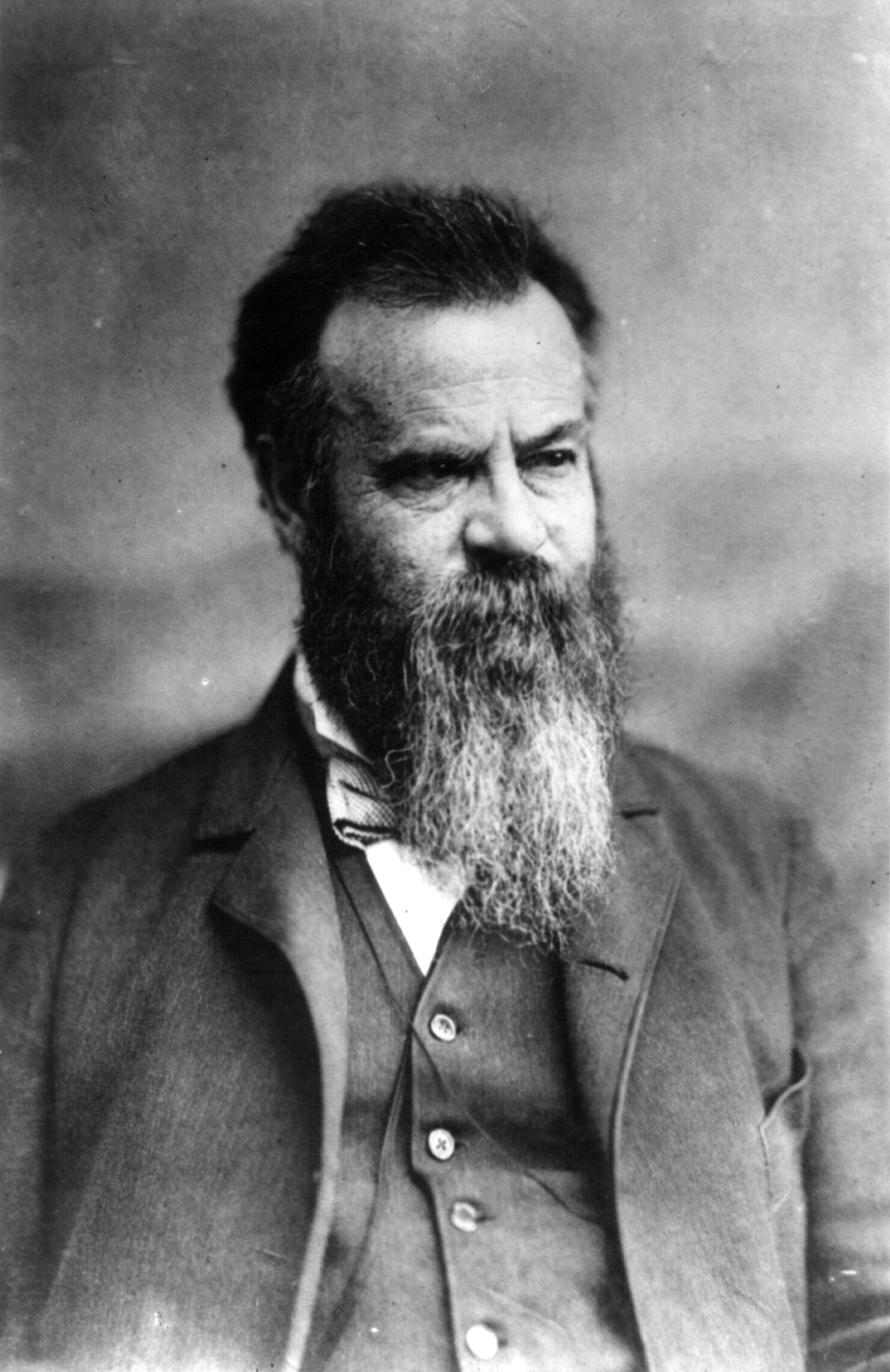
John Wesley Powell's 1881 report represents one of the earliest systematic attempts by an American scientist to understand how language evolves. Written when the study of linguistics was still in its infancy, Powell here turns his formidable analytical mind to the grammatical structures of Native American languages, seeking universal patterns in how all human speech develops, differentiates, and organizes meaning. His approach is comparative and empirical: he examines processes like combination, vocalic mutation, and the placement of grammatical elements, building an argument that these diverse languages reveal fundamental principles of linguistic evolution. As the first director of the Bureau of Ethnology, Powell was uniquely positioned to gather and synthesize data from dozens of indigenous tongues, creating a picture of linguistic diversity that few of his contemporaries could match. The text is dense, technical, and thoroughly of its era, reflecting both the pioneering ambition and the cultural assumptions of late-nineteenth-century American science. What makes this document enduring is not merely its historical significance as a foundational text in American linguistics, but the window it offers into how one of the great American explorers understood the mind itself.
Editions
Link to this book
Add a free, dofollow link to Lex on your blog, forum, syllabus, or reading list.

<a href="https://lex-books.com/book/on-the-evolution-of-language-first-annual-report-of-the-bureau-of-ethnology-to-t-1a182617-b44b-4a5c-ade0-49286daf93a6"><img src="https://lex-books.com/badges/read-on-lex.svg" alt="Read On the Evolution of Language: First Annual Report of the Bureau of Ethnology to the Secretary of the Smithsonian Institution, 1879-80, Government Printing Office, Washington, 1881, Pages 1-16 by John Wesley Powell free on Lex" width="160" height="40"></a>[](https://lex-books.com/book/on-the-evolution-of-language-first-annual-report-of-the-bureau-of-ethnology-to-t-1a182617-b44b-4a5c-ade0-49286daf93a6)[url=https://lex-books.com/book/on-the-evolution-of-language-first-annual-report-of-the-bureau-of-ethnology-to-t-1a182617-b44b-4a5c-ade0-49286daf93a6][img]https://lex-books.com/badges/read-on-lex.svg[/img][/url]Read On the Evolution of Language: First Annual Report of the Bureau of Ethnology to the Secretary of the Smithsonian Institution, 1879-80, Government Printing Office, Washington, 1881, Pages 1-16 by John Wesley Powell free on Lex: https://lex-books.com/book/on-the-evolution-of-language-first-annual-report-of-the-bureau-of-ethnology-to-t-1a182617-b44b-4a5c-ade0-49286daf93a6Cite this book
Reading this edition for a paper or guide? Copy a citation.
Powell, John Wesley. On the Evolution of Language: First Annual Report of the Bureau of Ethnology to the Secretary of the Smithsonian Institution, 1879-80, Government Printing Office, Washington, 1881, Pages 1-16. Lex, lex-books.com/book/on-the-evolution-of-language-first-annual-report-of-the-bureau-of-ethnology-to-t-1a182617-b44b-4a5c-ade0-49286daf93a6.Powell, J. W. (n.d.). On the Evolution of Language: First Annual Report of the Bureau of Ethnology to the Secretary of the Smithsonian Institution, 1879-80, Government Printing Office, Washington, 1881, Pages 1-16. Lex. https://lex-books.com/book/on-the-evolution-of-language-first-annual-report-of-the-bureau-of-ethnology-to-t-1a182617-b44b-4a5c-ade0-49286daf93a6Powell, John Wesley. On the Evolution of Language: First Annual Report of the Bureau of Ethnology to the Secretary of the Smithsonian Institution, 1879-80, Government Printing Office, Washington, 1881, Pages 1-16. Lex. https://lex-books.com/book/on-the-evolution-of-language-first-annual-report-of-the-bureau-of-ethnology-to-t-1a182617-b44b-4a5c-ade0-49286daf93a6.