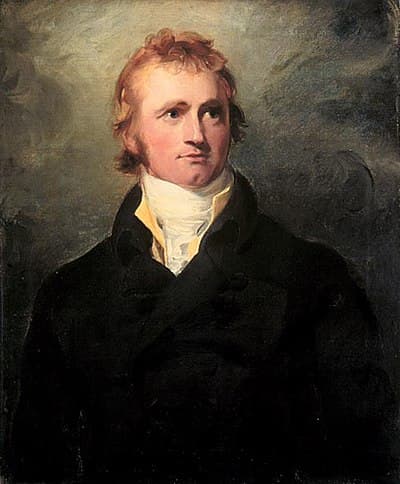
Alexander Mackenzie
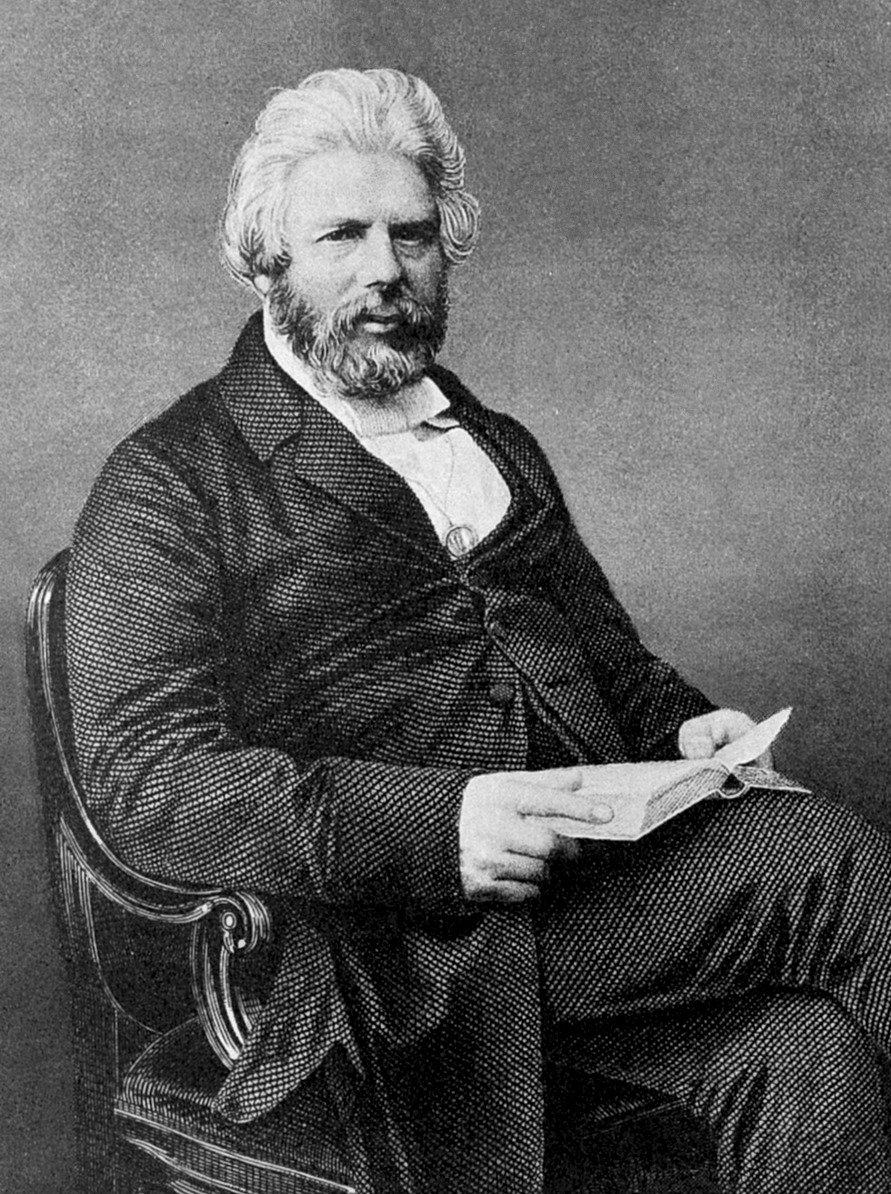
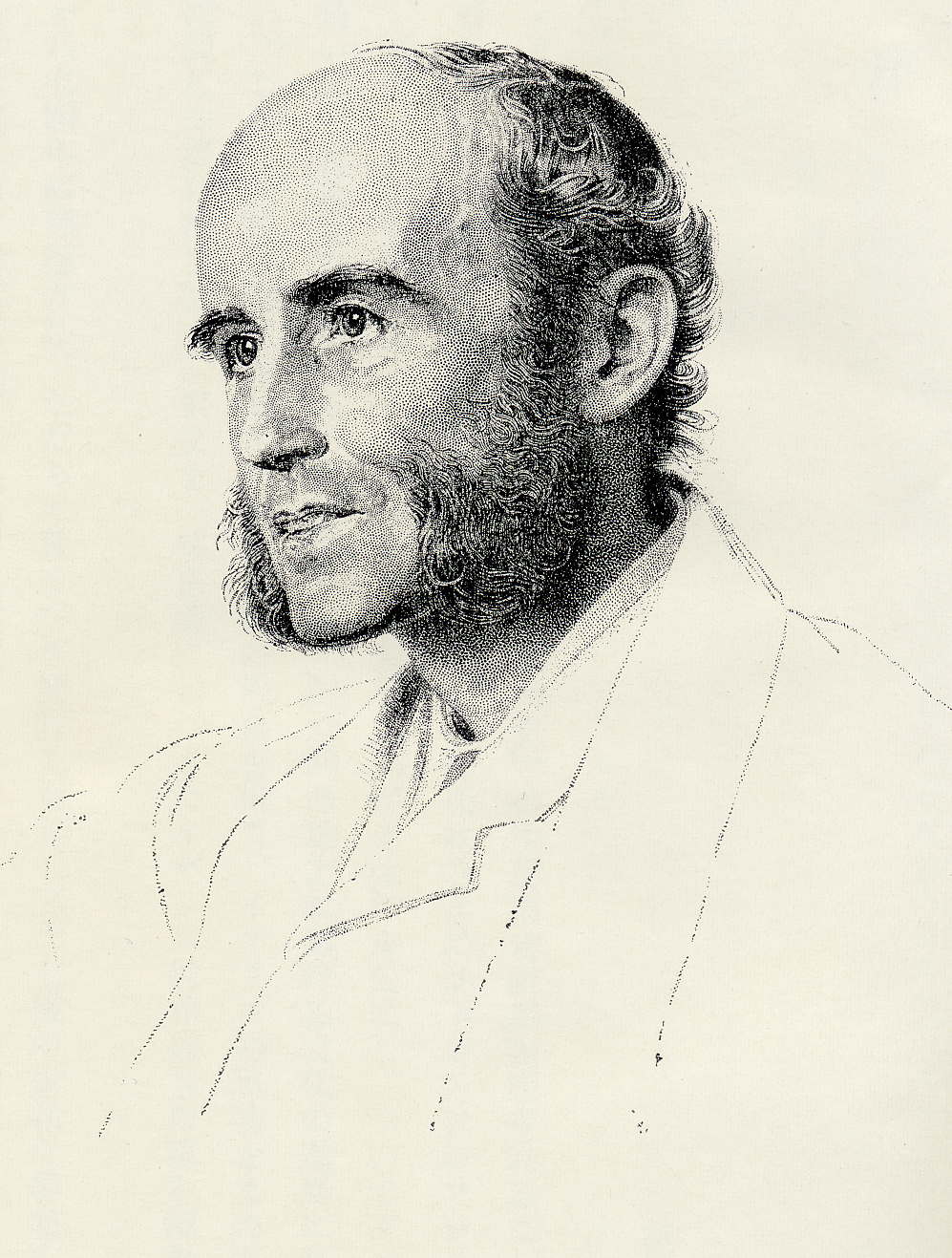
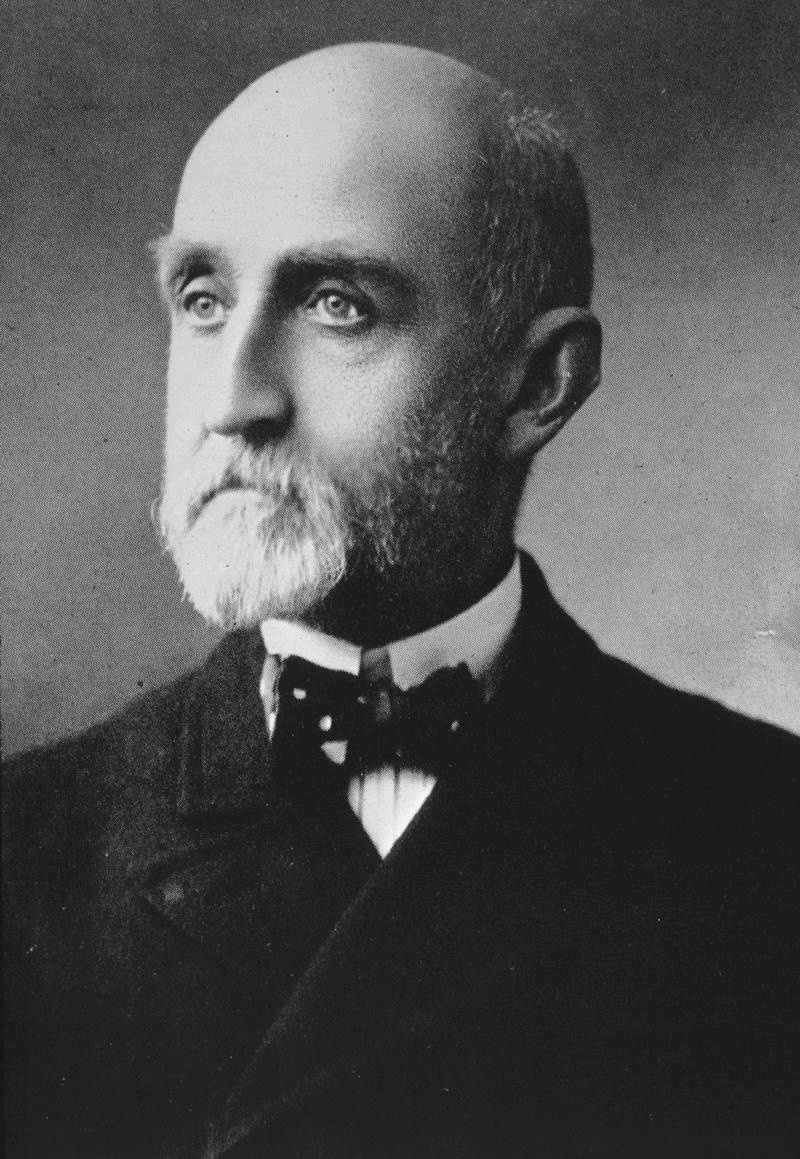
Alexander Mackenzie was a prominent Canadian politician and the second Prime Minister of Canada, serving from 1873 to 1878. Born in Scotland, he emigrated to Canada in 1842, where he became involved in the lumber and construction industries. His political career began in the 1860s, and he was a key figure in the Liberal Party, advocating for policies that promoted national unity and economic development. Mackenzie is best remembered for his efforts to establish a transcontinental railway and for his commitment to responsible government, which laid the groundwork for future Canadian governance. Mackenzie’s tenure as Prime Minister was marked by significant challenges, including economic difficulties and political opposition. Despite these obstacles, he managed to implement several important reforms, including the introduction of the secret ballot and the establishment of a national park system. His legacy is often overshadowed by his successors, but he is recognized for his integrity and dedication to public service, as well as for his role in shaping Canada's political landscape during its formative years. Mackenzie’s contributions to Canadian politics and his vision for a united nation continue to be acknowledged in the annals of Canadian history.
Famous Quotes
View all 2 quotes“We shall all respect the principle of each other and do nothing that would be regarded as an act oppression to any portion of the people””
“One evening, he was in the modernist white restaurant above the National Portrait Gallery. Through the bank of windows was a night-time cityscape of domes and belfries. Big Ben was in the middle distance. Poking up in the foreground was Nelson on his column. James could see the back of his stone tricorn hat and his stone epaulettes. He went closer and peered down into the bright canyon of Whitehall, where he could see the entrance to DFID. A formula offered itself: I’ve made it from down there to up here. But actually, anyone could come to this restaurant. It wasn’t even very good.””
Books from the author




Link to this page
Add a free, dofollow link to Lex on your blog, forum, syllabus, or reading list.

<a href="https://lex-books.com/author/alexander-mackenzie"><img src="https://lex-books.com/badges/read-on-lex.svg" alt="Alexander Mackenzie on Lex" width="160" height="40"></a>[](https://lex-books.com/author/alexander-mackenzie)[url=https://lex-books.com/author/alexander-mackenzie][img]https://lex-books.com/badges/read-on-lex.svg[/img][/url]Alexander Mackenzie on Lex: https://lex-books.com/author/alexander-mackenzie