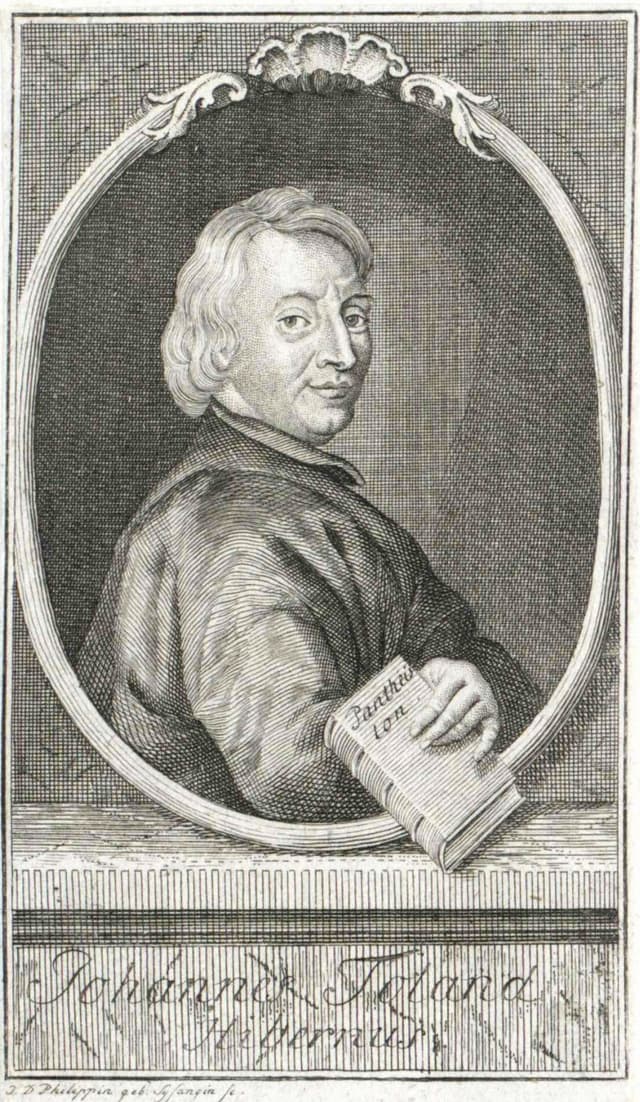
John Toland
John Toland was an influential Irish rationalist philosopher and freethinker whose work laid the groundwork for Enlightenment thought. Born in Ireland, he pursued his education at prestigious universities including Glasgow, Edinburgh, Leiden, and Oxford, where he was significantly influenced by the ideas of John Locke. Toland's first and most notable work, "Christianity Not Mysterious" (1696), challenged the established hierarchies of both church and state, advocating for a more rational approach to religion. This controversial stance led to public outrage in Ireland, resulting in the burning of his book and forcing him to flee his homeland permanently. Throughout his life, Toland continued to write extensively on political philosophy and the philosophy of religion, contributing to the discourse of the Enlightenment. His ideas not only questioned traditional beliefs but also encouraged a spirit of inquiry and skepticism that would characterize the era. Toland's legacy is marked by his role as a precursor to modern secular thought and his influence on subsequent philosophers, making him a significant figure in the evolution of rationalist philosophy.
Famous Quotes
View all 3 quotes“educated lady would have to be sedate”
“and if any conclusion was reached, it was that there are no simple lessons in history, that it is human nature that repeats itself, not history.”
“It is easier to start a war than end one.”
Books from the author



Link to this page
Add a free, dofollow link to Lex on your blog, forum, syllabus, or reading list.

<a href="https://lex-books.com/author/john-toland"><img src="https://lex-books.com/badges/read-on-lex.svg" alt="John Toland on Lex" width="160" height="40"></a>[](https://lex-books.com/author/john-toland)[url=https://lex-books.com/author/john-toland][img]https://lex-books.com/badges/read-on-lex.svg[/img][/url]John Toland on Lex: https://lex-books.com/author/john-toland