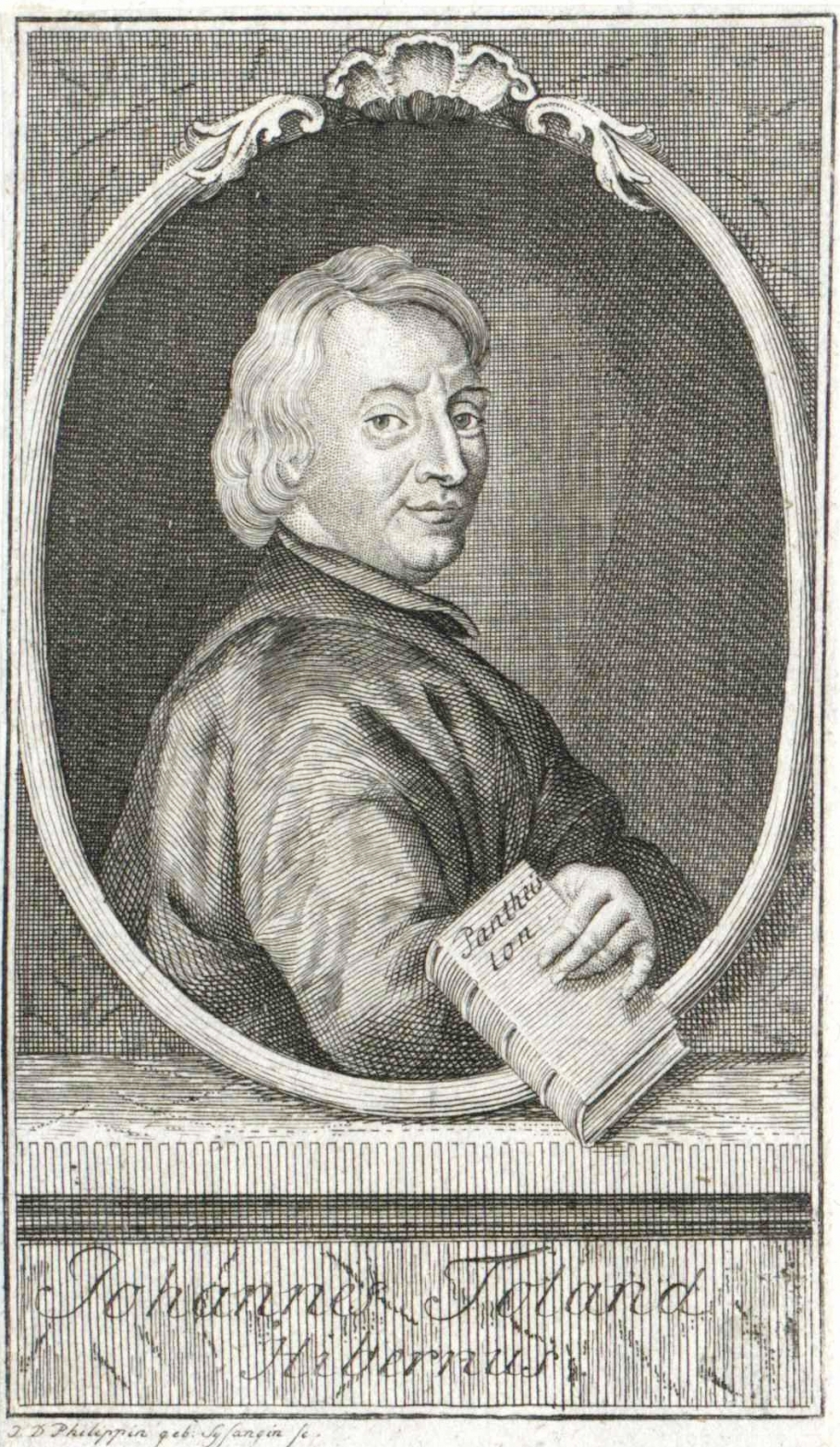
Pantheisticon

John Toland's Pantheisticon is one of the strangest and most provocative works of the early Enlightenment: a philosophical ritual text dressed in the trappings of a secret society's sacred scriptures. Written as the liturgy and ethical code of a fictional 'Pantheist' order, it mocks the style of conventional religion while articulating a radical vision of natural reason, materialist philosophy, and civic liberty. The three 'books' proceed as a mock-liturgy: the first delineates the moral axioms and brotherhood of the society, the second articulates their deity (nature itself, governed by eternal laws), and the third expounds their politics of freedom 'neither deceiving, nor to be deceived.' Prefaced by a sweeping critique of learned societies and the infinite universe, the work functions simultaneously as satirical provocation and genuine philosophical manifesto. Toland, the Irish freethinker already infamous for 'Christianity Not Mysterious,' here clothes heterodox ideas in disguise, creating a text that reads as either brilliant subversion or dangerous heresy depending on the reader's sympathies. For modern audiences, it remains a fascinating artifact of how Enlightenment radicals used irony and concealment to challenge religious orthodoxy and political authority.
Editions

Read by
Group Narration
4 readers
Alessandro Gagliardi, Ruth Golding, Anna Simon, Leni
Link to this book
Add a free, dofollow link to Lex on your blog, forum, syllabus, or reading list.

<a href="https://lex-books.com/book/pantheisticon-23741f9a-01b3-4f58-8ced-b23aa43cb369"><img src="https://lex-books.com/badges/read-on-lex.svg" alt="Read Pantheisticon by John Toland free on Lex" width="160" height="40"></a>[](https://lex-books.com/book/pantheisticon-23741f9a-01b3-4f58-8ced-b23aa43cb369)[url=https://lex-books.com/book/pantheisticon-23741f9a-01b3-4f58-8ced-b23aa43cb369][img]https://lex-books.com/badges/read-on-lex.svg[/img][/url]Read Pantheisticon by John Toland free on Lex: https://lex-books.com/book/pantheisticon-23741f9a-01b3-4f58-8ced-b23aa43cb369Cite this book
Reading this edition for a paper or guide? Copy a citation.
Toland, John. Pantheisticon. Lex, lex-books.com/book/pantheisticon-23741f9a-01b3-4f58-8ced-b23aa43cb369.Toland, J. (n.d.). Pantheisticon. Lex. https://lex-books.com/book/pantheisticon-23741f9a-01b3-4f58-8ced-b23aa43cb369Toland, John. Pantheisticon. Lex. https://lex-books.com/book/pantheisticon-23741f9a-01b3-4f58-8ced-b23aa43cb369.