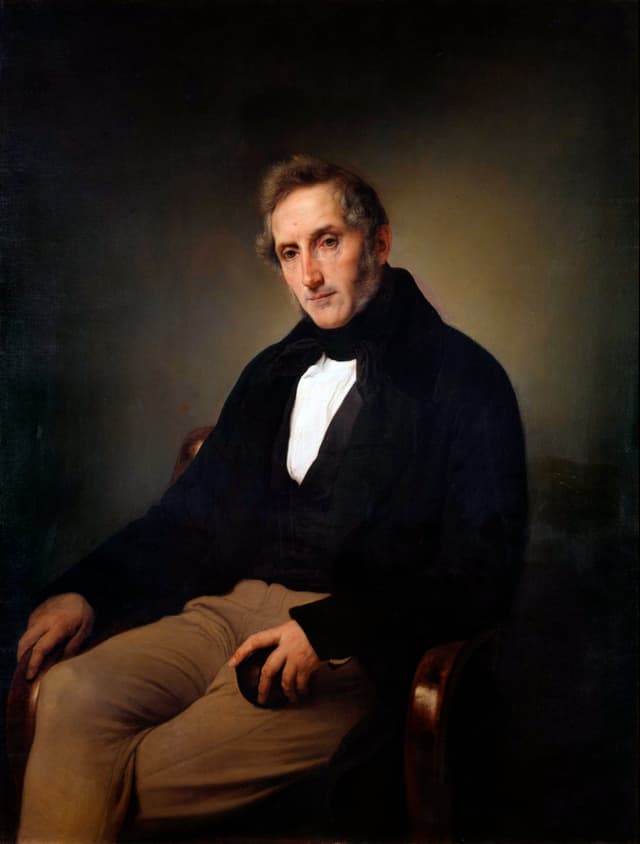
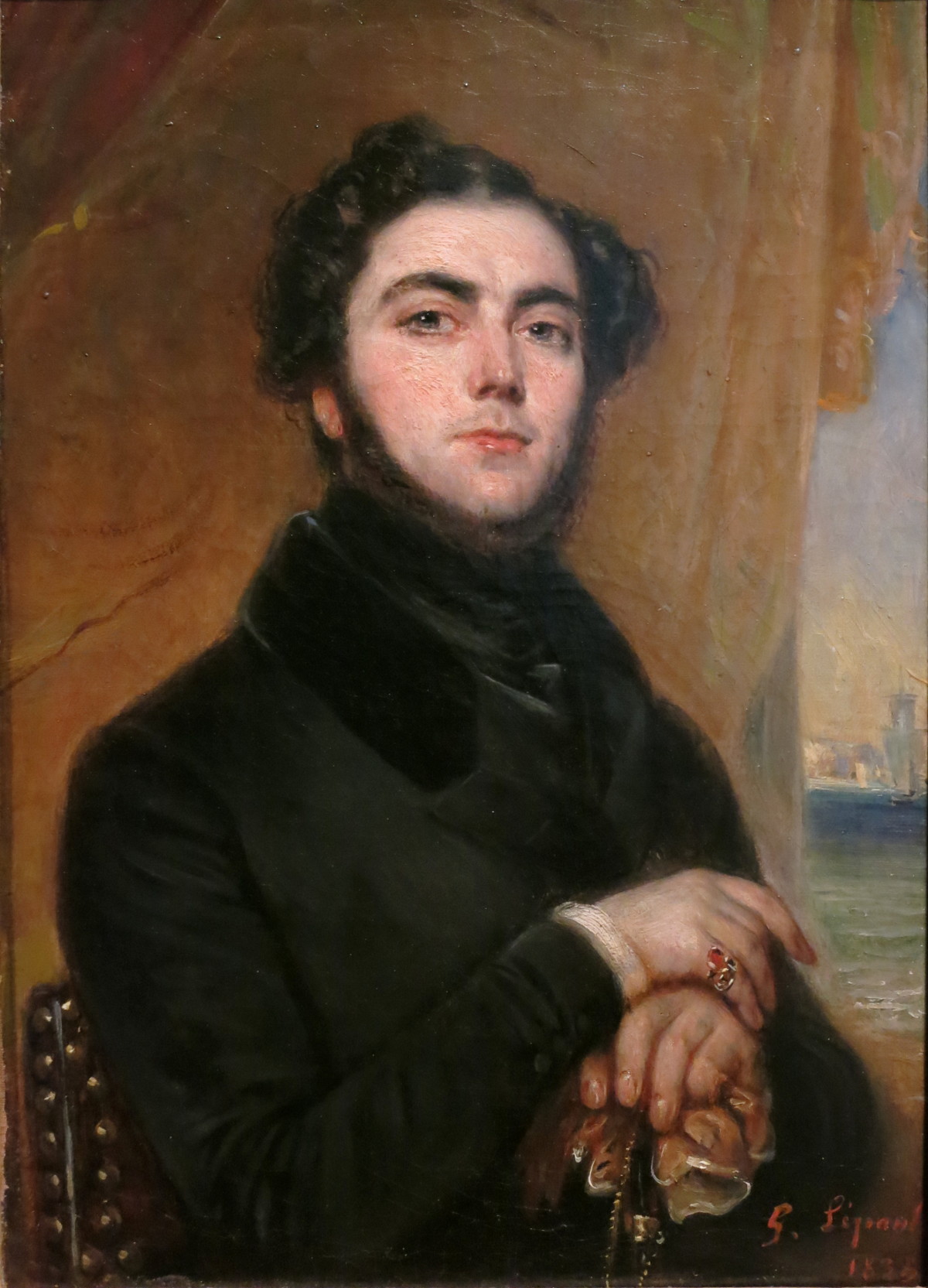
Alessandro Manzoni
Alessandro Manzoni was an influential Italian philosopher, poet, playwright, and novelist, best known for his seminal work, The Betrothed (I promessi sposi), published in 1827. This novel is not only celebrated as a masterpiece of world literature but also serves as a symbol of the Italian Risorgimento, reflecting the patriotic fervor of the time and playing a crucial role in the development of the modern Italian language. Through his literary contributions, Manzoni helped to stabilize and unify the Italian language, making it more accessible to the populace and fostering a sense of national identity among Italians. As one of the leading figures of Italian Romanticism, alongside contemporaries such as Ugo Foscolo and Giacomo Leopardi, Manzoni's work often explored themes of morality, faith, and social justice. He was a prominent advocate of Liberal Catholicism, which influenced his views on the relationship between religion and society. His legacy endures not only through his literary achievements but also through his impact on the cultural and linguistic landscape of Italy, marking him as a key figure in the country's journey towards unification and modernity.
Famous Quotes
View all 3 quotes“Bullies, oppressors and all men who do violence to the rights of others are guilty not only of their own crimes, but also of the corruption they bring into the hearts of their victims.”
“One of the greatest comforts of this life is friendship; and one of the comforts of friendship is that of having someone we can trust with a secret. But friendship does not pair us off into couples, as marriage does; each of us generally has more than one friend to his name, and so a chain is formed, of which no man can see the end. When we allow ourselves the comfort of depositing a secret in the bosom of a friend, we inspire him with the wish to enjoy the same comfort for himself. It is true that we always ask him not to tell anyone else; and this is a condition which, if taken literally, would break the series of comforting confidences at once. But the general practice is to regard the obligation as one which prevents a man from passing the secret on, except to an equally trusted friend and on the same condition of silence. From trusted friend to trusted friend, the secret travels and travels along an unending chain, until it reaches the ears of the very man or men from whom the first speaker meant to keep it for ever. It would generally require a long time to get there, if each of us only had two friends—one to confide the secret to us, and another to whom we can pass it on. But there are some privileged men who have hundreds of friends, and once a secret reaches one of them, its subsequent journeys are so rapid and multitudinous that no one can keep track of them.”
“I would really like, in fact, to be born again in another two hundred years' time.”
Books from the author










Link to this page
Add a free, dofollow link to Lex on your blog, forum, syllabus, or reading list.

<a href="https://lex-books.com/author/alessandro-manzoni"><img src="https://lex-books.com/badges/read-on-lex.svg" alt="Alessandro Manzoni on Lex" width="160" height="40"></a>[](https://lex-books.com/author/alessandro-manzoni)[url=https://lex-books.com/author/alessandro-manzoni][img]https://lex-books.com/badges/read-on-lex.svg[/img][/url]Alessandro Manzoni on Lex: https://lex-books.com/author/alessandro-manzoni