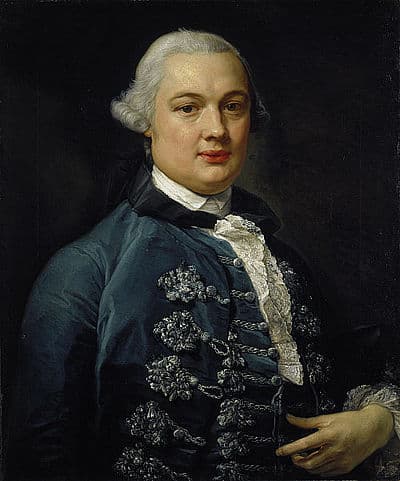
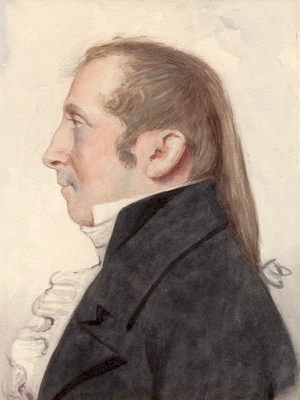
James Bruce
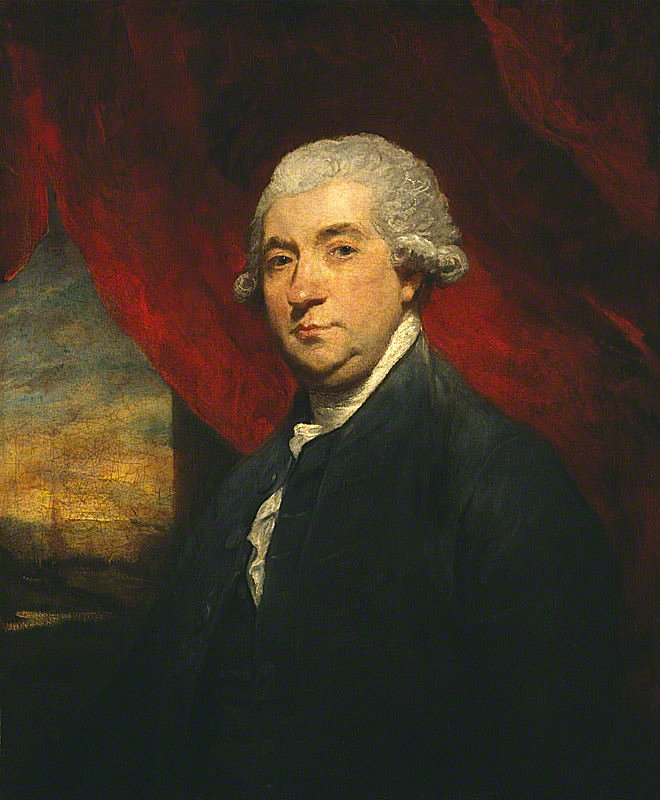
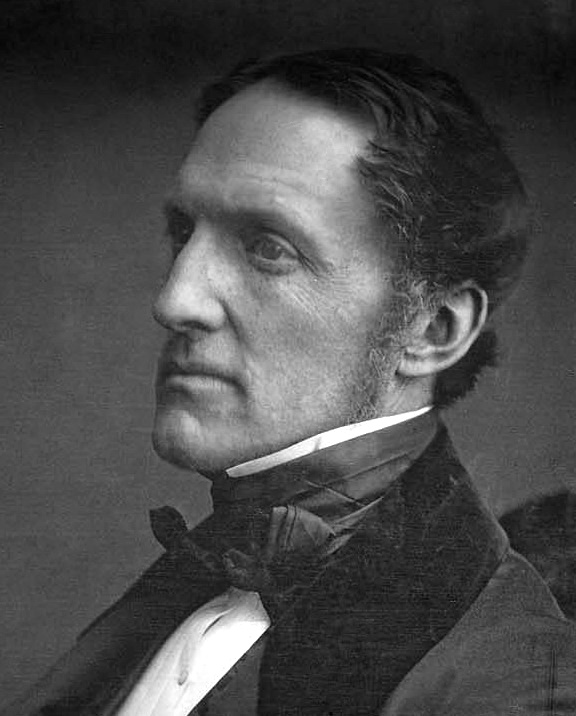
James Bruce of Kinnaird was a Scottish explorer and travel writer renowned for his significant contributions to the understanding of the Nile River. His extensive travels in North and East Africa spanned over a dozen years, during which he meticulously documented his findings. In 1770, Bruce achieved a remarkable feat by becoming the first European to trace the Nile upstream from Egypt, ultimately reaching its source in the Blue Nile in Ethiopia. His journey not only confirmed the river's origins but also provided valuable insights into the geography and cultures of the regions he explored. Bruce's writings, particularly in his work 'Travels to Discover the Source of the Nile,' offered a detailed account of his adventures and observations. His narratives were instrumental in shaping European perceptions of Africa during the 18th century, blending elements of travel literature with scientific inquiry. Despite facing skepticism from contemporaries regarding his claims, Bruce's explorations laid the groundwork for future research on the Nile and highlighted the importance of firsthand exploration in the age of enlightenment. His legacy endures as a pioneering figure in the field of travel writing and exploration, marking a significant chapter in the history of geographical discovery.
Famous Quotes
View all 13 quotes“Ask,” promised Jesus, “and it will be given to you” (Matthew 7:7). “You do not have because you do not ask,” said James (James 4:2). Even though there is no limit to God’s goodness, if you didn’t ask Him for a blessing yesterday, you didn’t get all that you were supposed to have.””
“But speaking of decisions and choices, I want to turn to a question that baffles so many of us. Why is it that people who are victims of trauma are so often drawn to abusive relationships?Let me broaden the question, because it is so important in understanding not just abuse but all behavior. The key point is that all of us tend to gravitate to the familiar, even when the familiar is unhealthy or destructive. We are drawn to what we were raised with.As I’ve said before, when we are young and our brain is beginning to make sense of our experiences, it creates our ‘working model’ of the world. The brain organizes around the tone and tension of our first experiences. So if, early on, you have safe, nurturing care, you think that people are essentially good….But if a child experienced chaos, threat, or trauma, your brain organizes according to a view that the world is not safe and people cannot be trusted. Think about James. He didn’t feel ‘safe’ when he was close to people. Intimacy made him feel threatened. Here is the confusing part: James felt most comfortable when the world was in line with his worldview. Being rejected or treated poorly validated this view. The most destabilizing thing for anyone is to have their core beliefs challenged….Good or bad, we are attracted to things that are familiar.””
“James Buchanan's niece: "He often worked just for work's sake.””
Books from the author
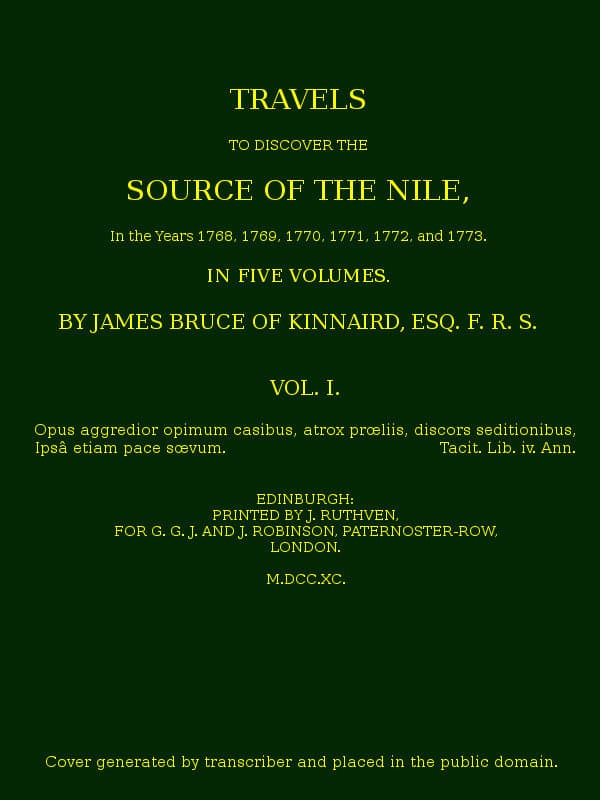
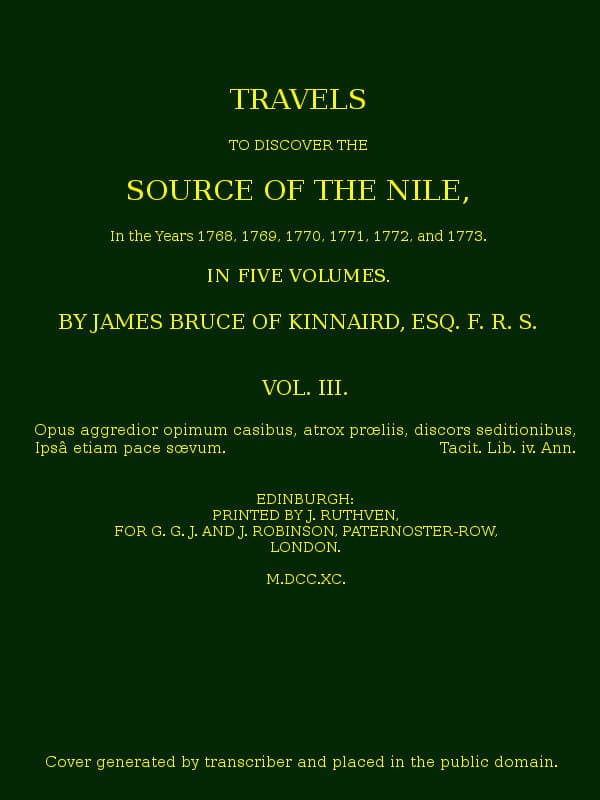
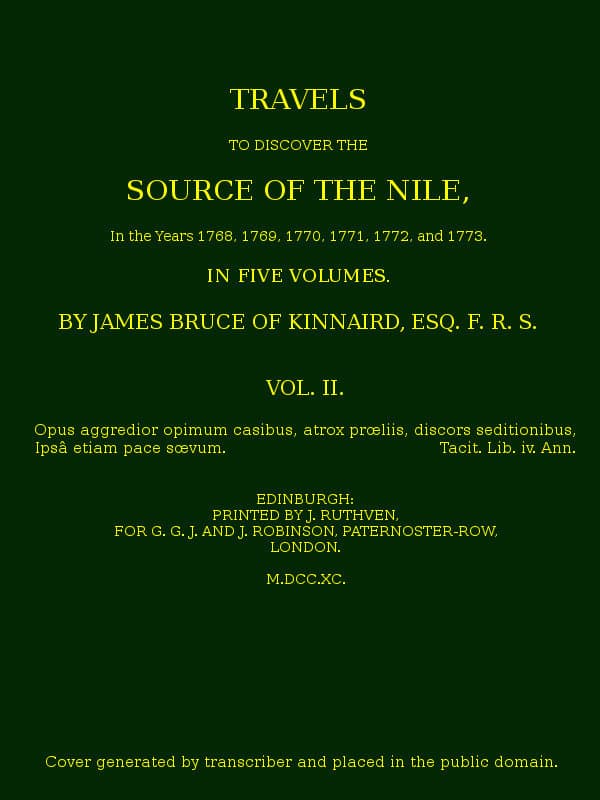



Link to this page
Add a free, dofollow link to Lex on your blog, forum, syllabus, or reading list.

<a href="https://lex-books.com/author/james-bruce"><img src="https://lex-books.com/badges/read-on-lex.svg" alt="James Bruce on Lex" width="160" height="40"></a>[](https://lex-books.com/author/james-bruce)[url=https://lex-books.com/author/james-bruce][img]https://lex-books.com/badges/read-on-lex.svg[/img][/url]James Bruce on Lex: https://lex-books.com/author/james-bruce