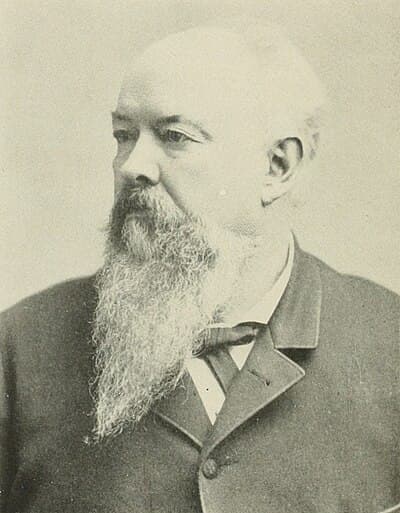
John P. Jones
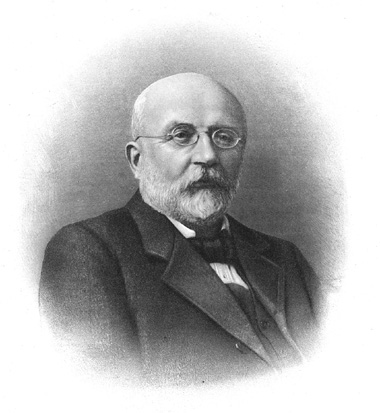
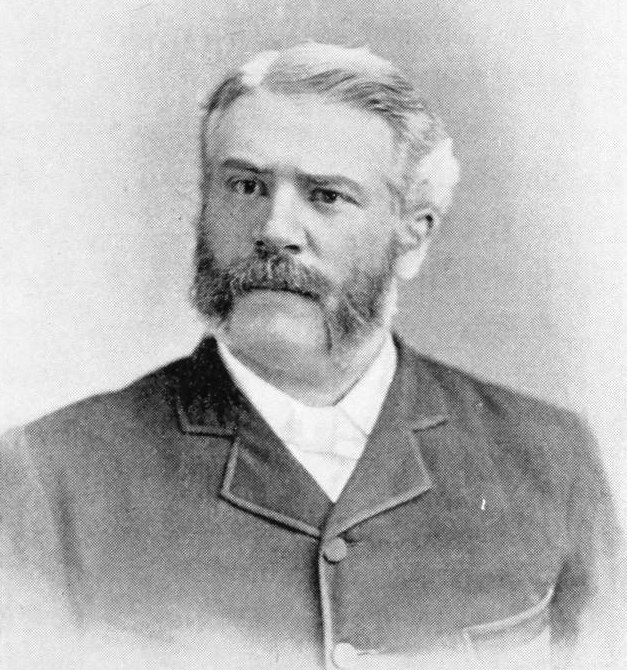
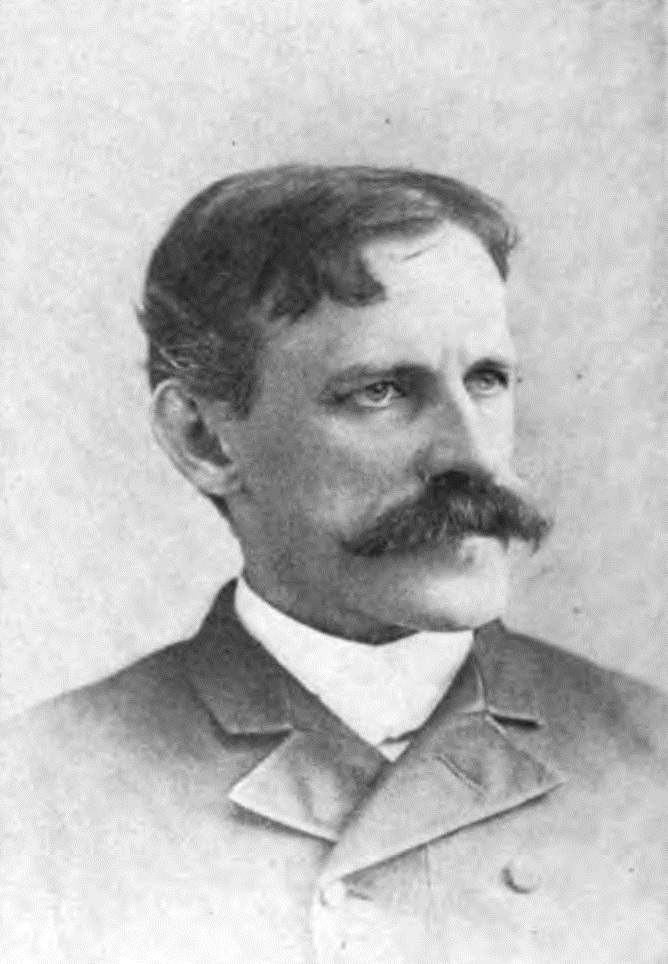
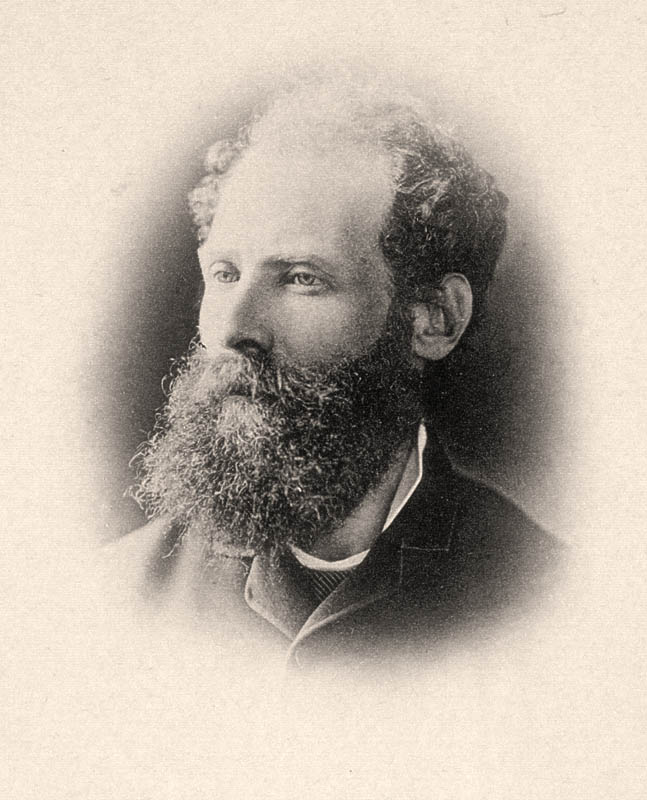
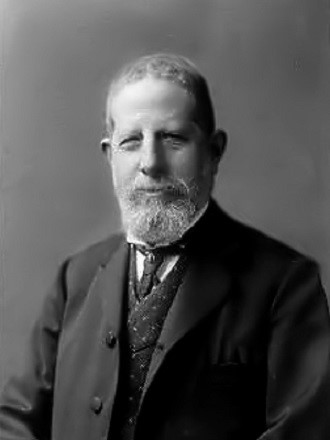
John P. Jones was an American politician, author, and advocate for Indian culture and philosophy. Born in 1847, he became a prominent figure in the late 19th and early 20th centuries, known for his deep interest in India and its spiritual traditions. His notable works, such as 'India, Its Life and Thought' and 'India's Problem, Krishna or Christ,' reflect his efforts to bridge Eastern and Western philosophies, exploring the complexities of Indian society and its religious narratives. Through these writings, Jones sought to promote a greater understanding of Indian culture among American readers, emphasizing the philosophical richness of Hinduism and its relevance to contemporary issues of morality and spirituality. In addition to his literary contributions, Jones was actively involved in politics, serving as a U.S. Senator from Nevada. His speech on the free coinage of silver, captured in 'Money: Speech of Hon. John P. Jones, of Nevada,' highlights his engagement with economic issues of his time, advocating for monetary reform that would benefit the working class. Jones's legacy lies in his unique ability to intertwine his political career with his literary pursuits, making significant contributions to both fields. His works continue to be of interest for those studying the intersections of culture, religion, and politics during a transformative period in American history.
Famous Quotes
View all 3 quotes“But he was a free and clear man, and the law said so. Augustus never hurt me, never said bad to me. What Harvey done was wrong. But tellin you don’t put me on the nigger side. I’m still on the white man side, John. I’m still standin with the white. God help me if you believe somethin else about me.””
“I wanted to tell you somethin, and I have been workin my mind so the words will tumble out in a straight line. You know how that can be, John.""I do, Barnum. Just set them words one by one and they'll do fine and we'll get where we got to go.””
“En palabras de Kenneth Hagin: «Jesús probó la muerte espiritual de cada hombre. Y su Espíritu y el hombre interior fueron al infierno en mi lugar. ¿No se da cuenta? La muerte física no podía quitarle sus pecados. Él gustó la muerte por cada hombre. Él está hablando de experimentar la muerte espiritual» (Citado en Jones y Woodbridge, Health, Wealth, & Happiness, p. 70). Para un tratamiento académico completo de esta enseñanza en los círculos de Palabra de Fe, ver William P. Atkinson, The ‘Spiritual Death’ of Jesus (Leiden, Países Bajos: Brill, 2009).””
Books from the author


Link to this page
Add a free, dofollow link to Lex on your blog, forum, syllabus, or reading list.

<a href="https://lex-books.com/author/john-p-jones"><img src="https://lex-books.com/badges/read-on-lex.svg" alt="John P. Jones on Lex" width="160" height="40"></a>[](https://lex-books.com/author/john-p-jones)[url=https://lex-books.com/author/john-p-jones][img]https://lex-books.com/badges/read-on-lex.svg[/img][/url]John P. Jones on Lex: https://lex-books.com/author/john-p-jones