Károly Eötvös
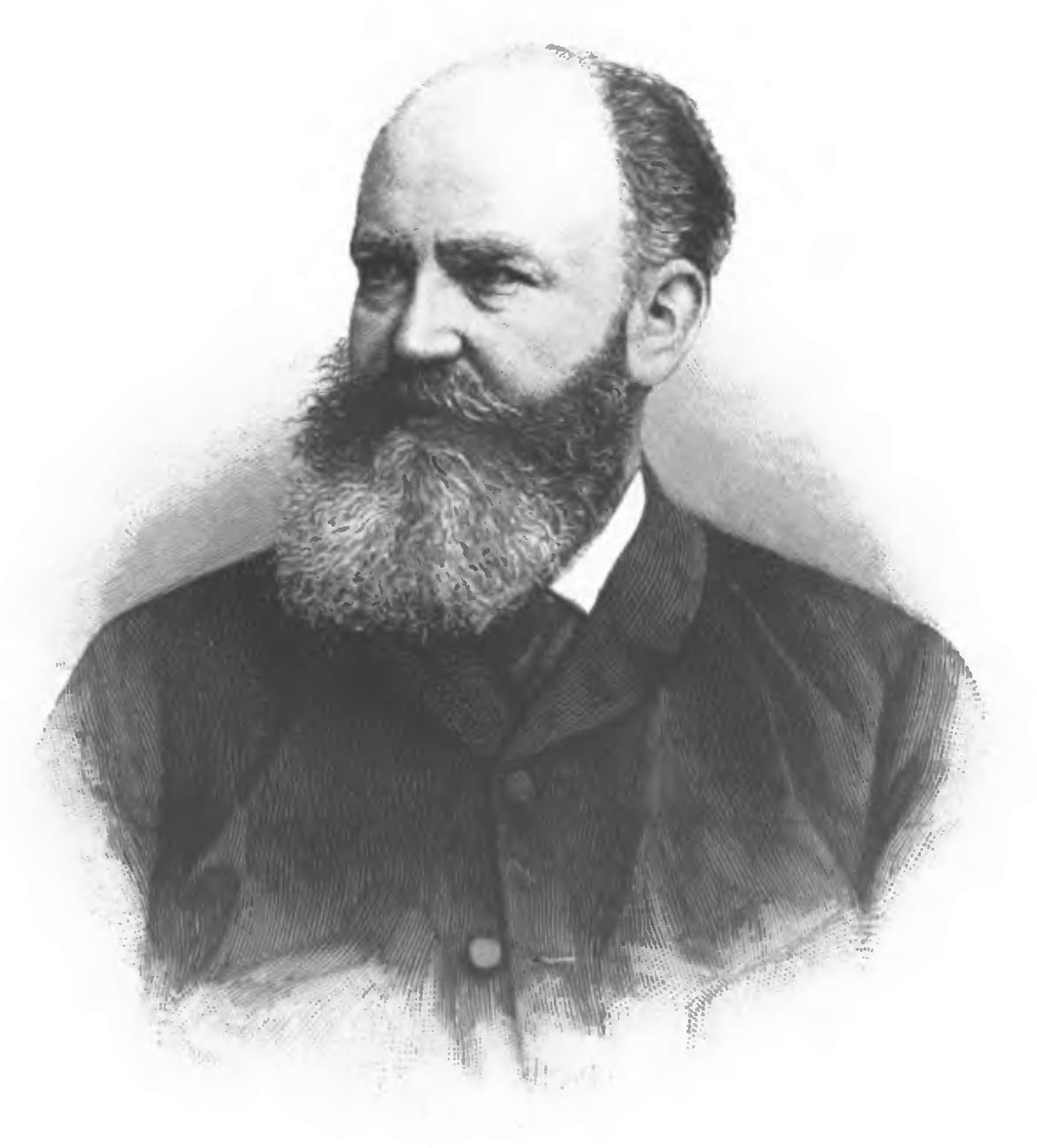
Károly Eötvös was a Hungarian writer, politician, and influential figure in the literary and cultural life of Hungary during the late 19th and early 20th centuries. Born into a noble family, Eötvös initially pursued a career in law and politics, serving as a member of the Hungarian Parliament. His literary career took off with the publication of his first novel, 'A falu jegyzője' (The Village Notary), which showcased his keen observations of rural life and the complexities of human relationships. Eötvös's works often reflected his deep concern for social issues, particularly the plight of the peasantry and the struggles of the Hungarian nation during a time of political upheaval. Eötvös is perhaps best known for his novel 'Karthaus,' which delves into themes of love, betrayal, and the moral dilemmas faced by individuals in society. His writing is characterized by a blend of realism and romanticism, and he was instrumental in the development of the Hungarian novel as a literary form. In addition to his fiction, Eötvös was a prominent advocate for Hungarian culture and education, and his contributions to literature and public life left a lasting impact on Hungarian society. His legacy endures as a testament to the power of literature to address social issues and reflect the human condition.
Books from the author

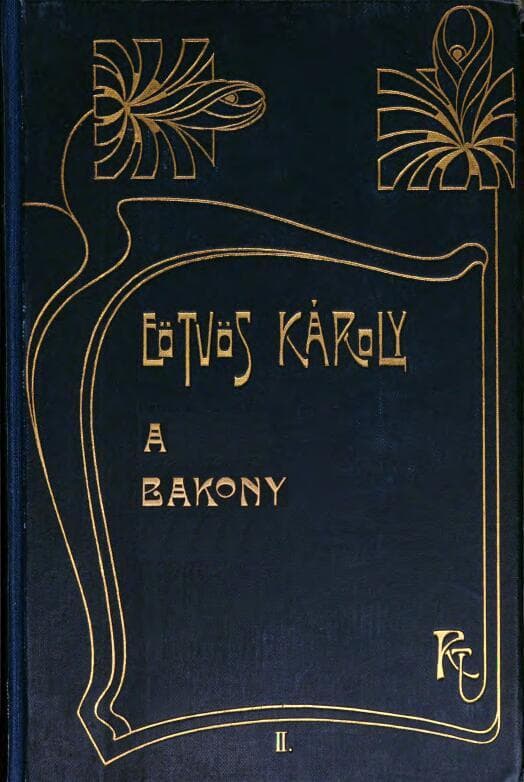
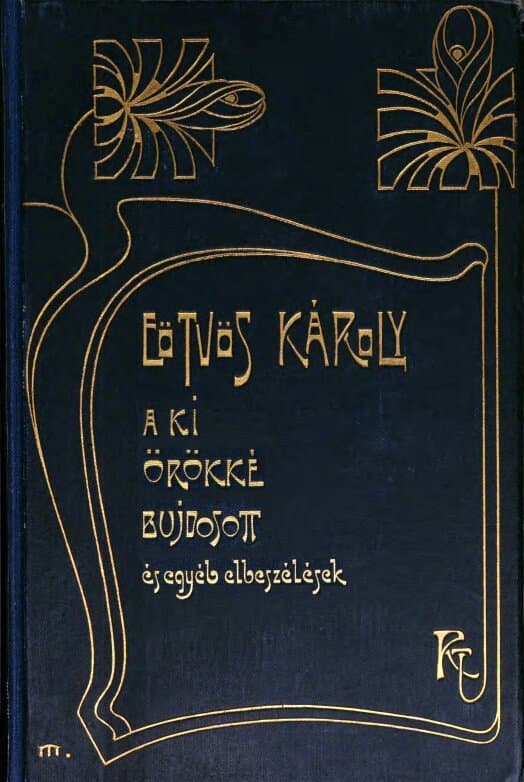
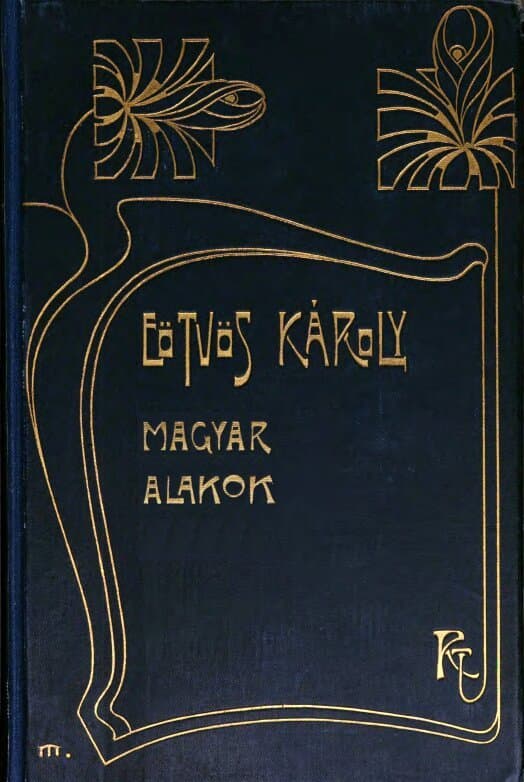
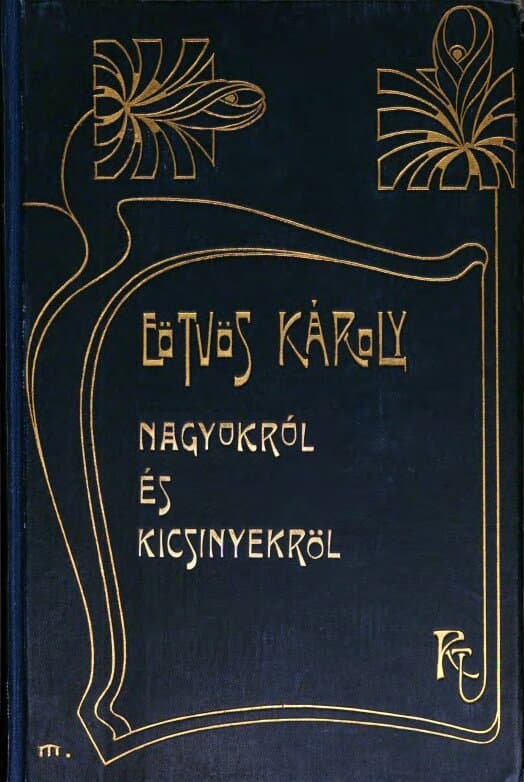
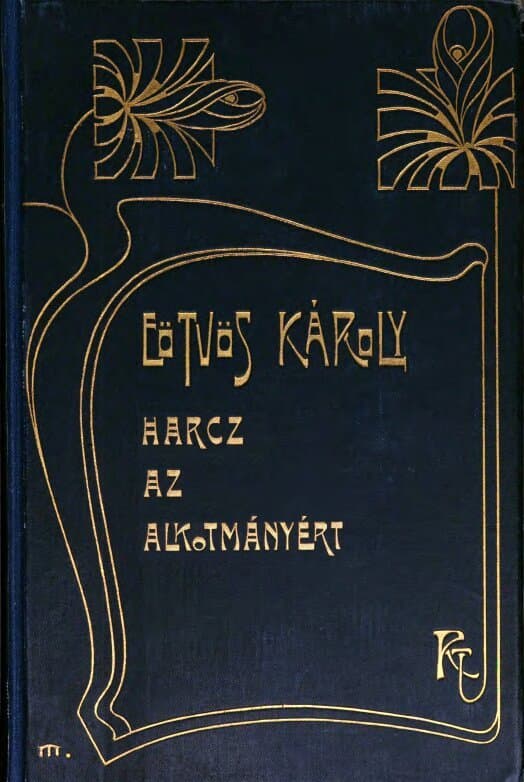
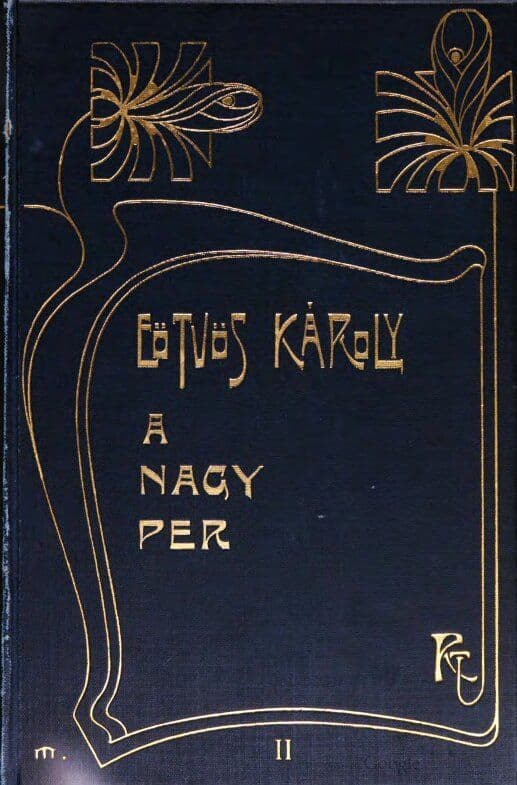
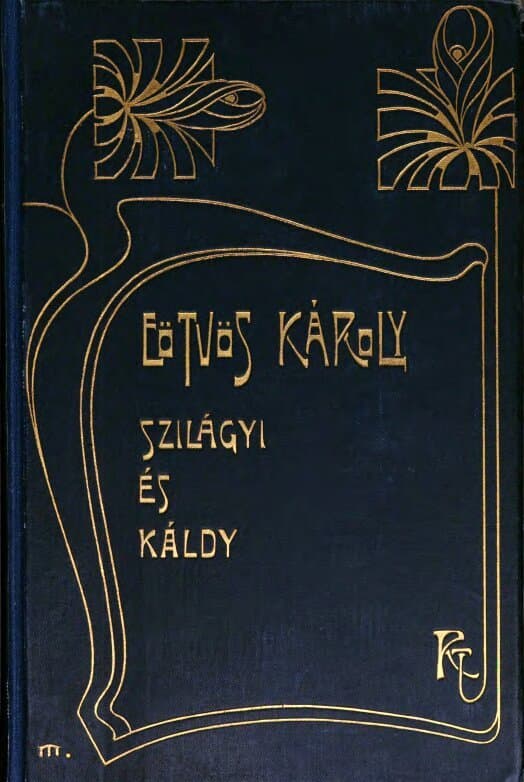
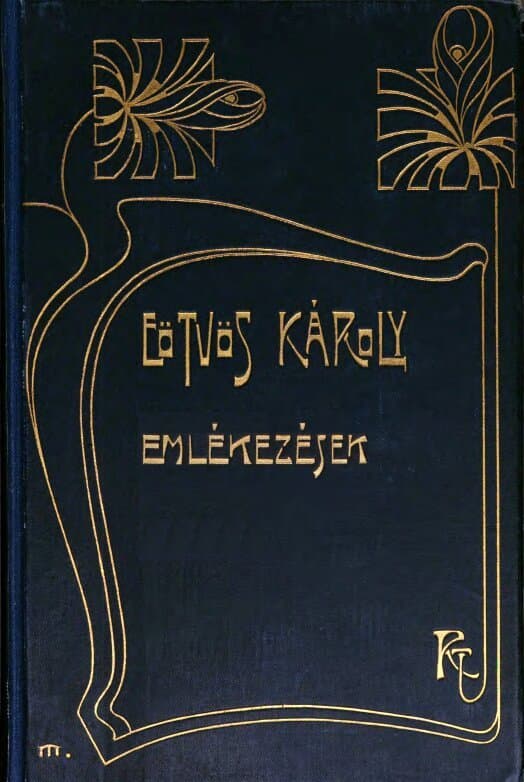

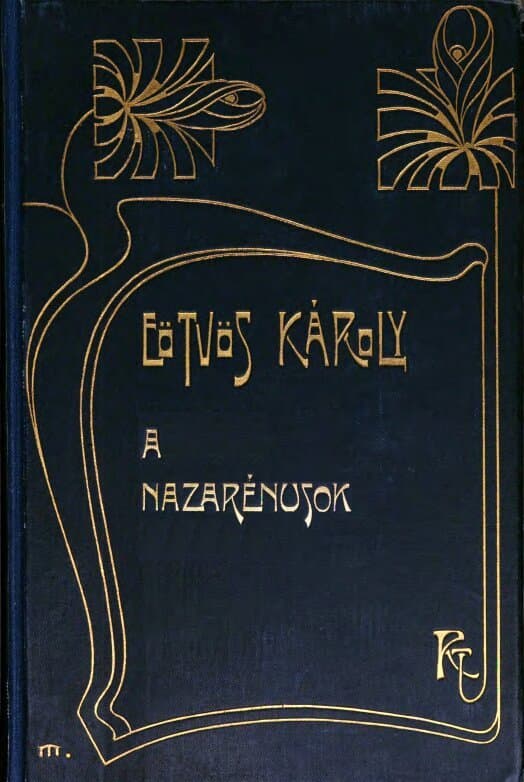
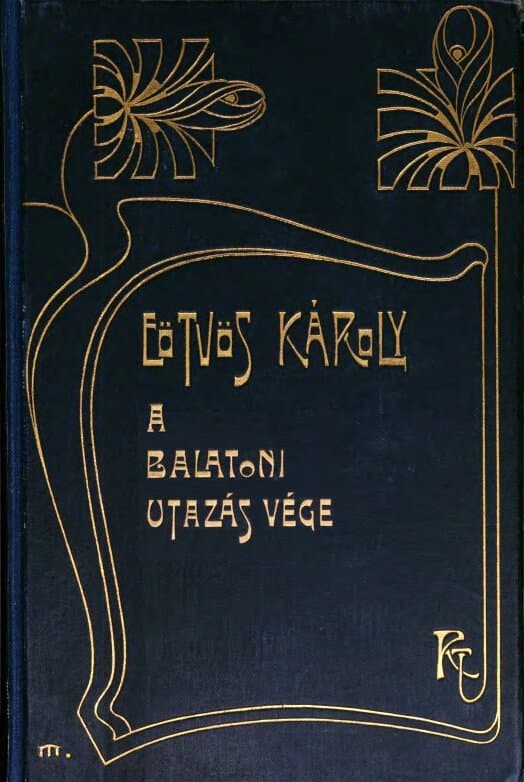
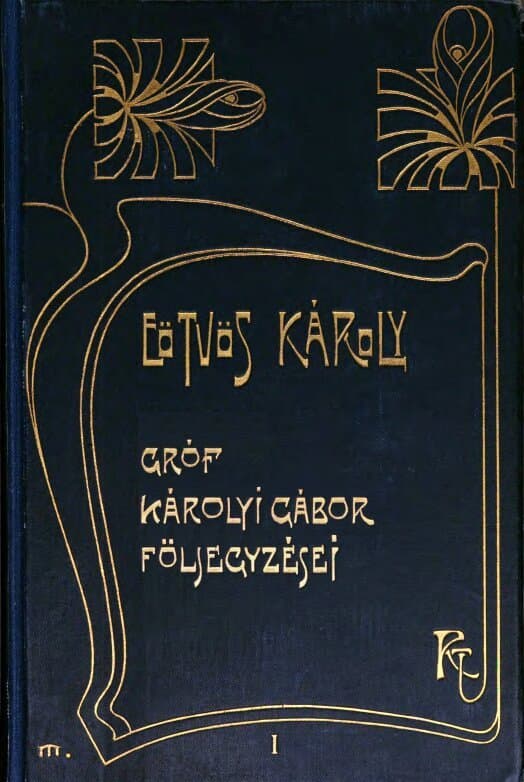

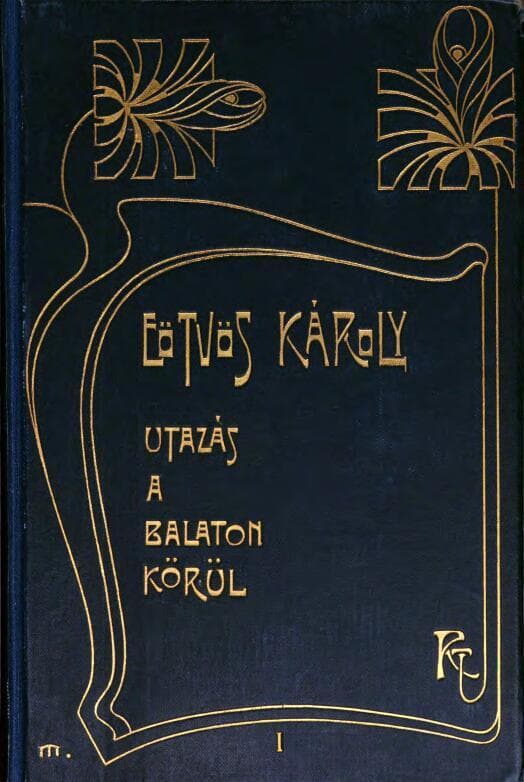
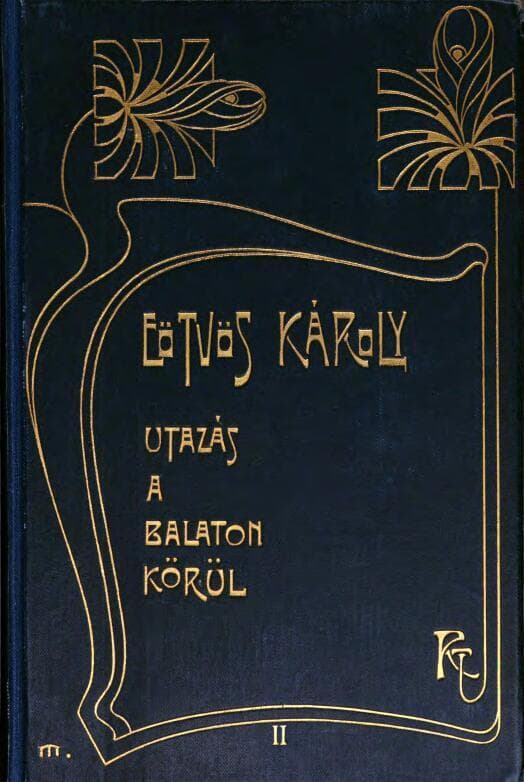
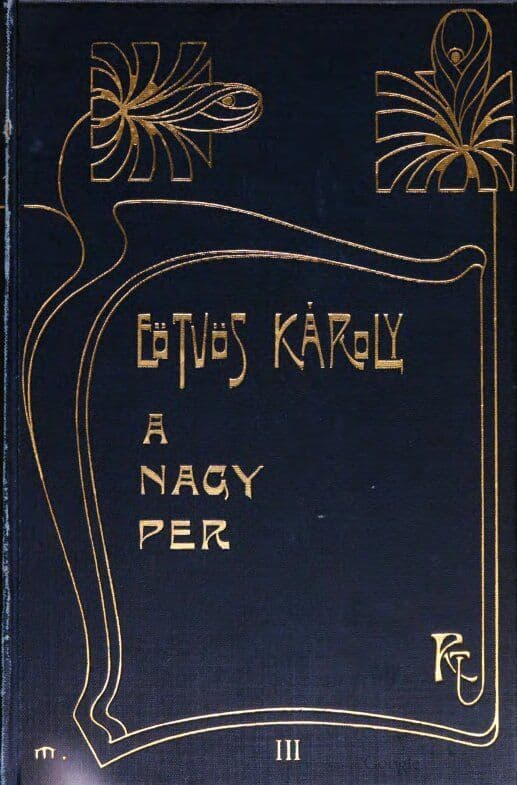

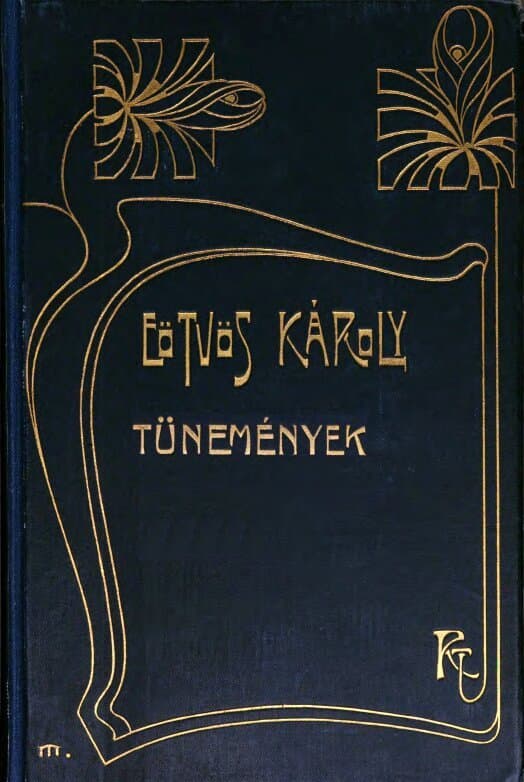
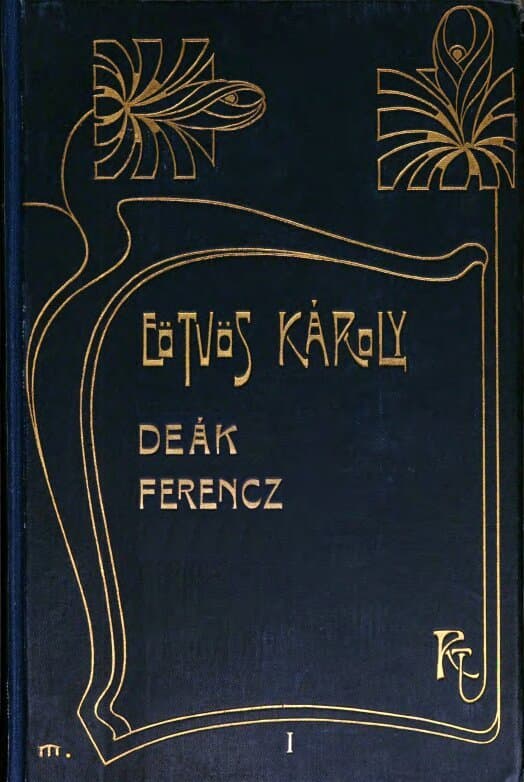
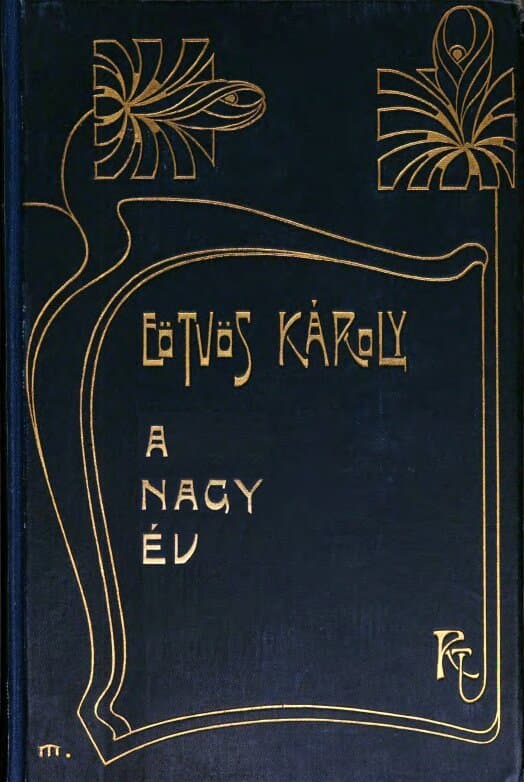
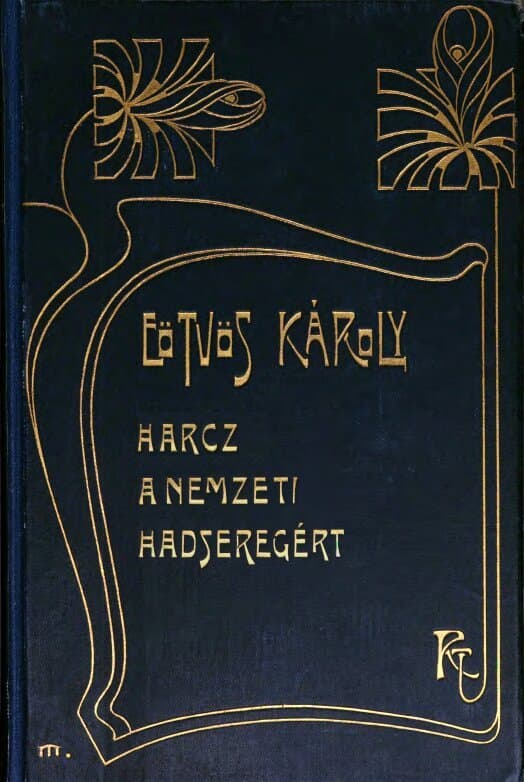
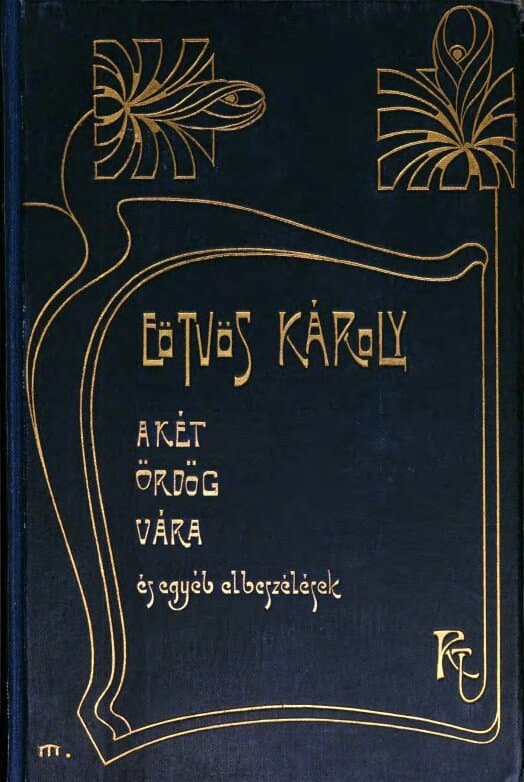
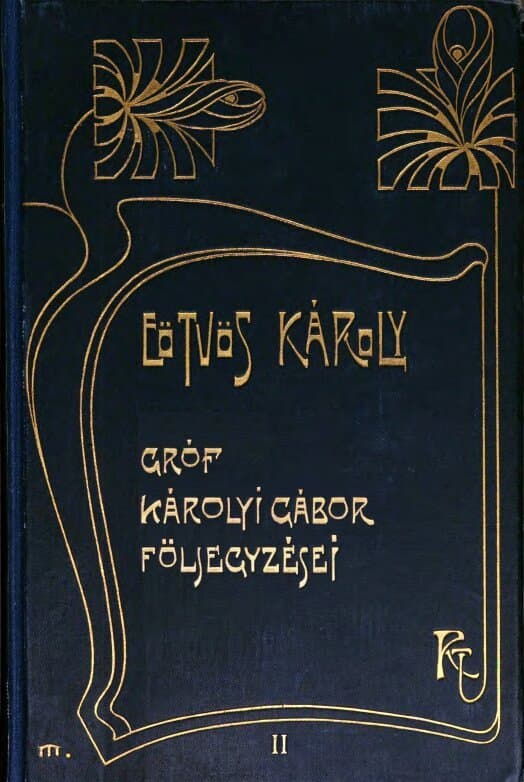


Link to this page
Add a free, dofollow link to Lex on your blog, forum, syllabus, or reading list.

<a href="https://lex-books.com/author/károly-eötvös"><img src="https://lex-books.com/badges/read-on-lex.svg" alt="Károly Eötvös on Lex" width="160" height="40"></a>[](https://lex-books.com/author/károly-eötvös)[url=https://lex-books.com/author/károly-eötvös][img]https://lex-books.com/badges/read-on-lex.svg[/img][/url]Károly Eötvös on Lex: https://lex-books.com/author/károly-eötvös