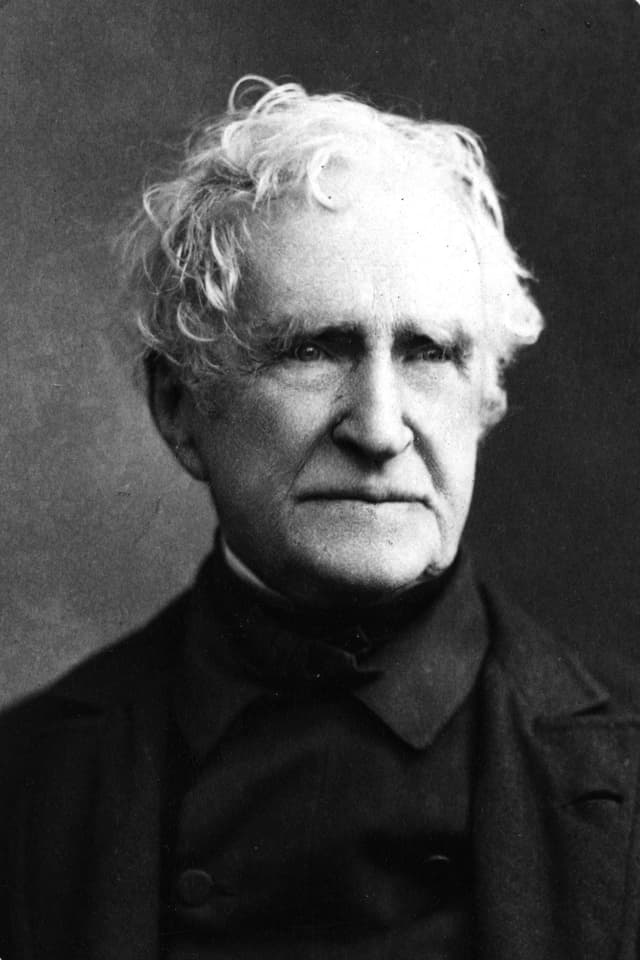
John Neal
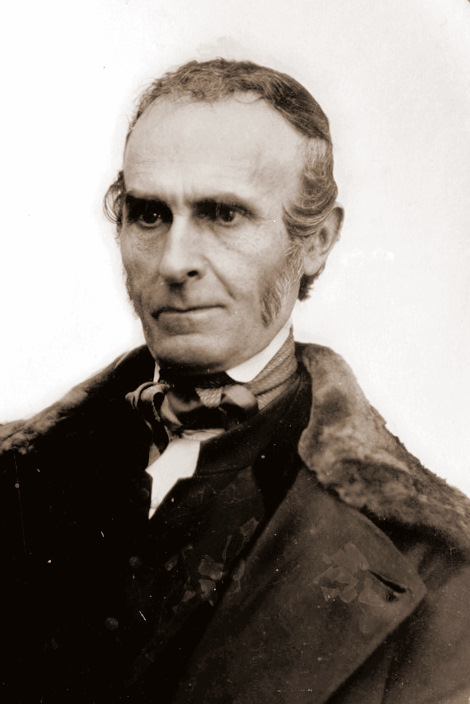
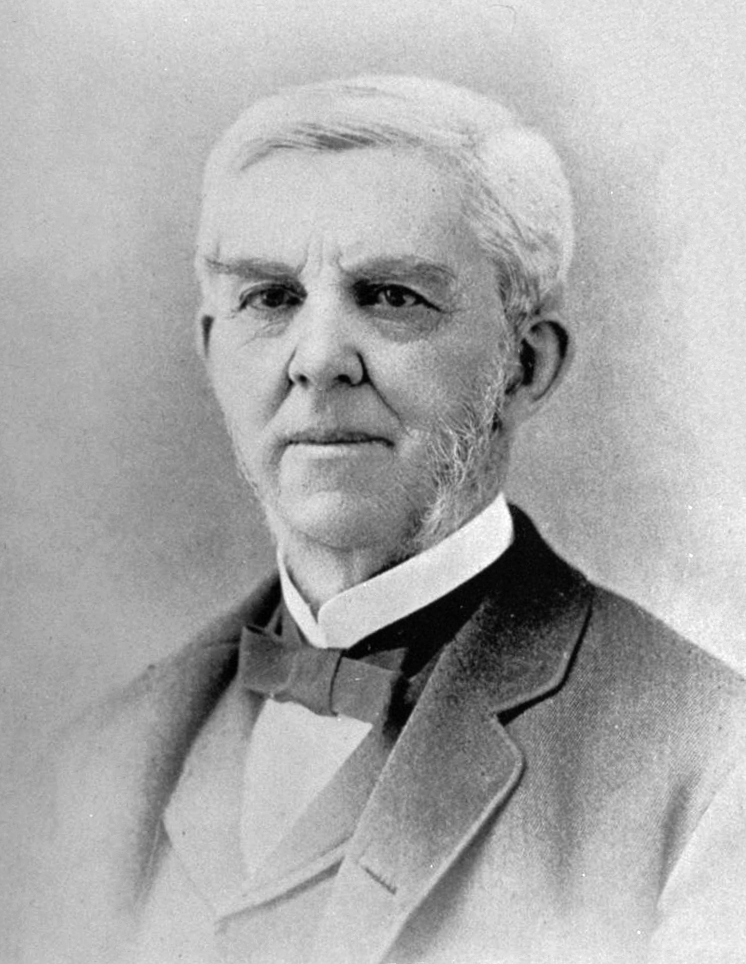
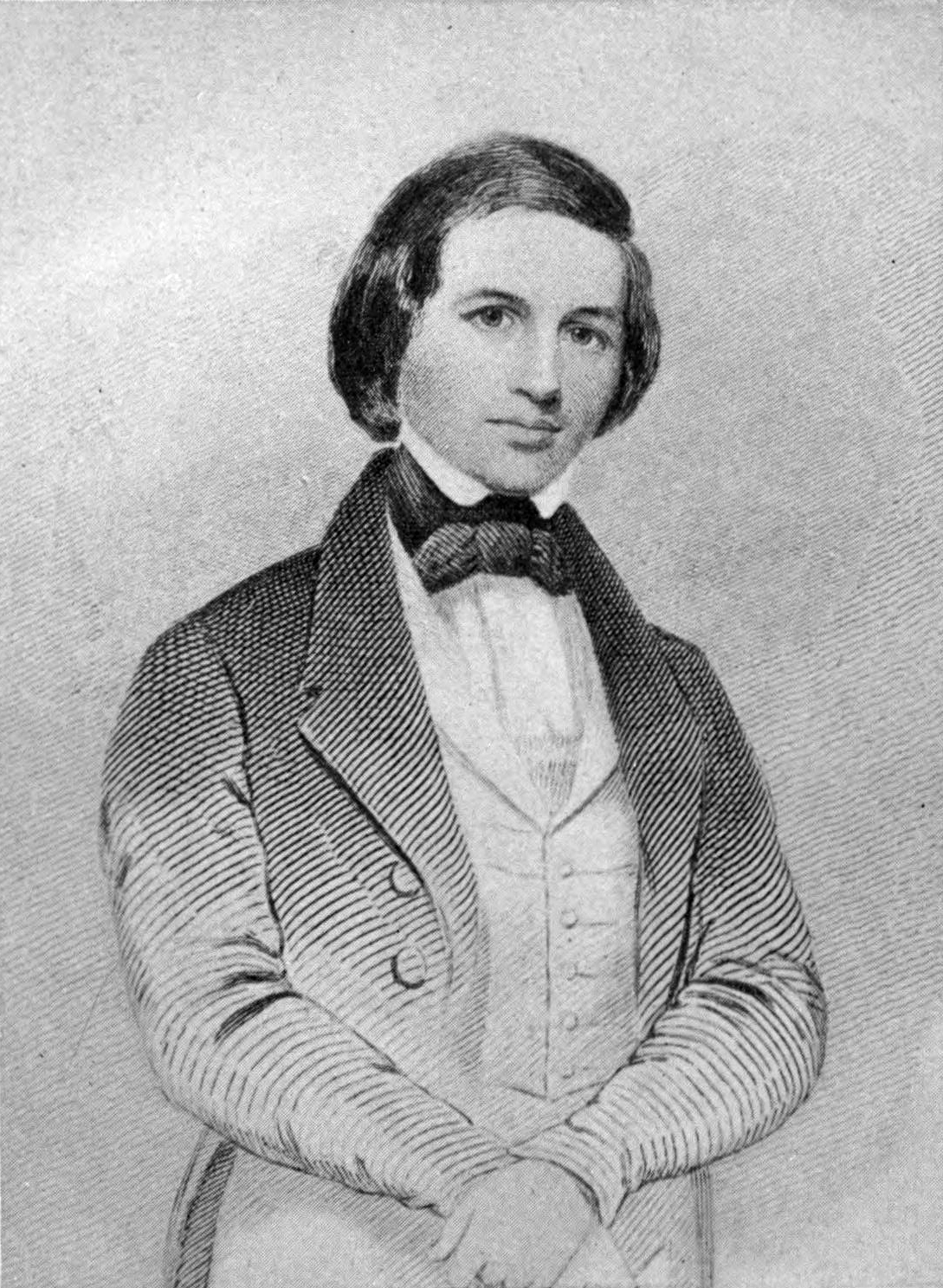
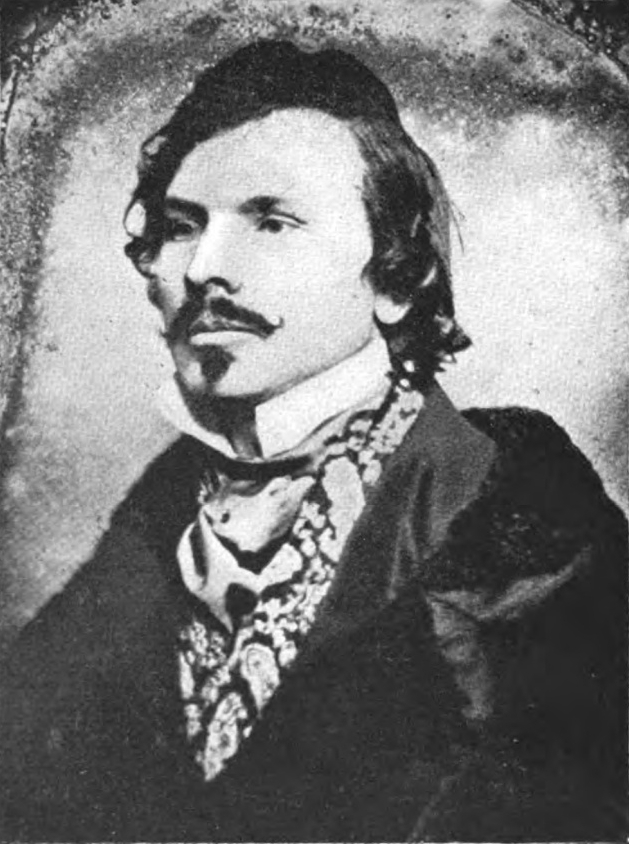
John Neal was an influential American writer, critic, and activist whose work spanned several genres and forms from the 1810s to the 1870s. He was a pioneering figure in American literary nationalism and regionalism, advocating for the development of a distinct American voice in literature. Neal's contributions included essays, novels, poems, and short stories, and he is notable for being the first American author to employ natural diction and colloquialism in his writing. His literary achievements were particularly prominent between 1817 and 1835, during which he became America's first daily newspaper columnist and the first American published in British literary journals. He also authored the first history of American literature and was a significant figure in children's literature and short stories, laying groundwork for future American writers and the American Renaissance. Beyond his literary contributions, Neal was a passionate advocate for women's rights and racial equality. He was one of the first men in the United States to champion women's suffrage, equal pay, and educational opportunities, and he fought against coverture laws that restricted women's economic rights. Additionally, he established the first public gymnasium in the U.S., promoting athletics as a means to manage violent tendencies. A largely self-educated man who began his career as a child laborer, Neal eventually gained wealth and respect in his community, particularly in Portland, Maine, through his diverse business ventures and civic engagement. His legacy is marked by his commitment to social justice, his innovative literary style, and his role in shaping American culture and literature during a transformative period in history.
Famous Quotes
View all 12 quotes“Walking and overcoming by faith is not easy. For one thing, the dimension of time constantly constrains our perspective. Likewise, the world steadily tempts us. No wonder we are given instructive words from Jesus about the narrowness and the straightness of the only path available to return home: “I am the way, the truth, and the life” (John 14:6). And then he said, “No man cometh unto the Father, but by me.” Jesus laid down strict conditions.””
“A certain amount of opposition is of great help to a man. Kites rise against, not with the wind.””
“our revenue. Our delivery people”
Books from the author



Link to this page
Add a free, dofollow link to Lex on your blog, forum, syllabus, or reading list.

<a href="https://lex-books.com/author/john-neal"><img src="https://lex-books.com/badges/read-on-lex.svg" alt="John Neal on Lex" width="160" height="40"></a>[](https://lex-books.com/author/john-neal)[url=https://lex-books.com/author/john-neal][img]https://lex-books.com/badges/read-on-lex.svg[/img][/url]John Neal on Lex: https://lex-books.com/author/john-neal