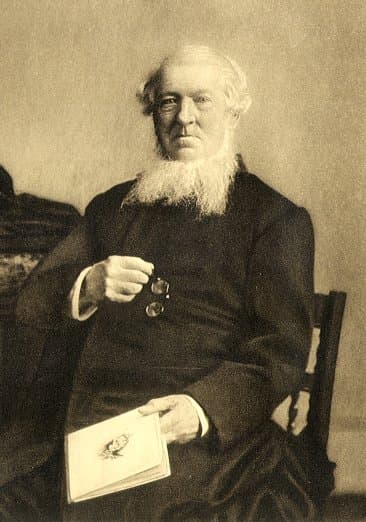
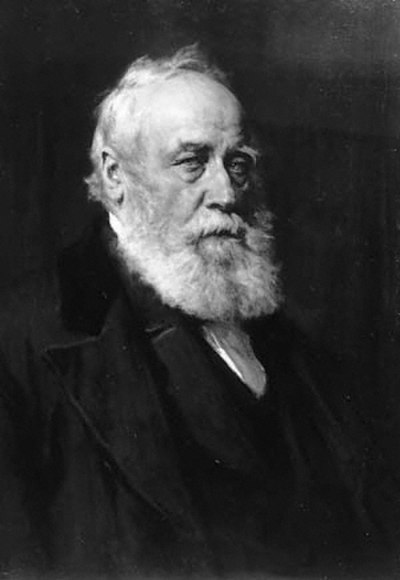
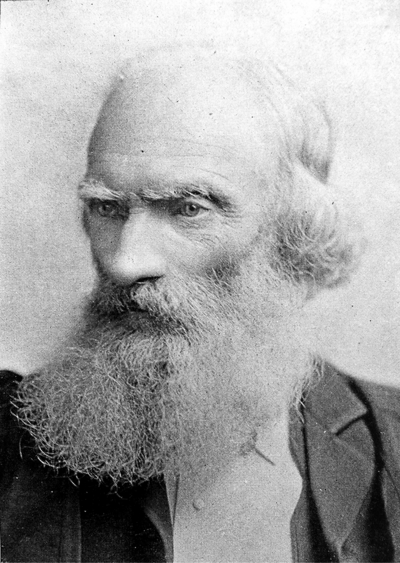
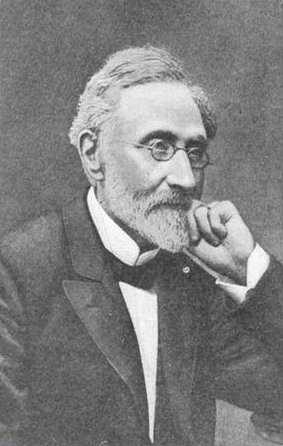
George Rawlinson
George Rawlinson was a prominent British scholar and historian, renowned for his extensive work on ancient history and his contributions to the understanding of the Assyrian and Babylonian civilizations. He served as a professor of ancient history at the University of Oxford, where he utilized his expertise in languages, particularly in deciphering cuneiform inscriptions. His notable works include 'The Five Great Monarchies of the Ancient Eastern World,' which provided a comprehensive overview of the history and culture of the ancient Near East, and 'The History of Herodotus,' a translation and commentary that offered insights into the ancient Greek historian's accounts. Rawlinson's scholarship was instrumental in popularizing the study of ancient history in the 19th century and laid the groundwork for future research in the field. In addition to his historical writings, Rawlinson was also a theologian, contributing to Christian thought through his writings on biblical history and interpretation. His dual focus on history and theology reflected the intellectual currents of his time, as he sought to reconcile faith with the emerging findings of historical scholarship. Rawlinson's legacy endures through his influential works, which continue to be referenced by historians and scholars, and his role in advancing the study of ancient civilizations, making him a significant figure in the landscape of 19th-century scholarship.
Famous Quotes
View all 3 quotes“Still, whencesoever derived, the Egyptian people, as it existed in the flourishing time of Egyptian history, was beyond all question a mixed race, showing different affinities.”
“petals—enlarges to two hundred and thirty. The bud is the Fayoum, a natural depression in the hills that shut in the Nile valley on the west, which has been rendered cultivable for many thousands of years by the introduction into it of the Nile water, through a canal”
“Herodotus, who admires the learning of the Persians,327 the science of the Babylonians,328 and the combined learning and science of the Egyptians,329 limits his commendation of the Phoenicians to their skill in navigation, in mechanics, and in works of art.”
Books from the author
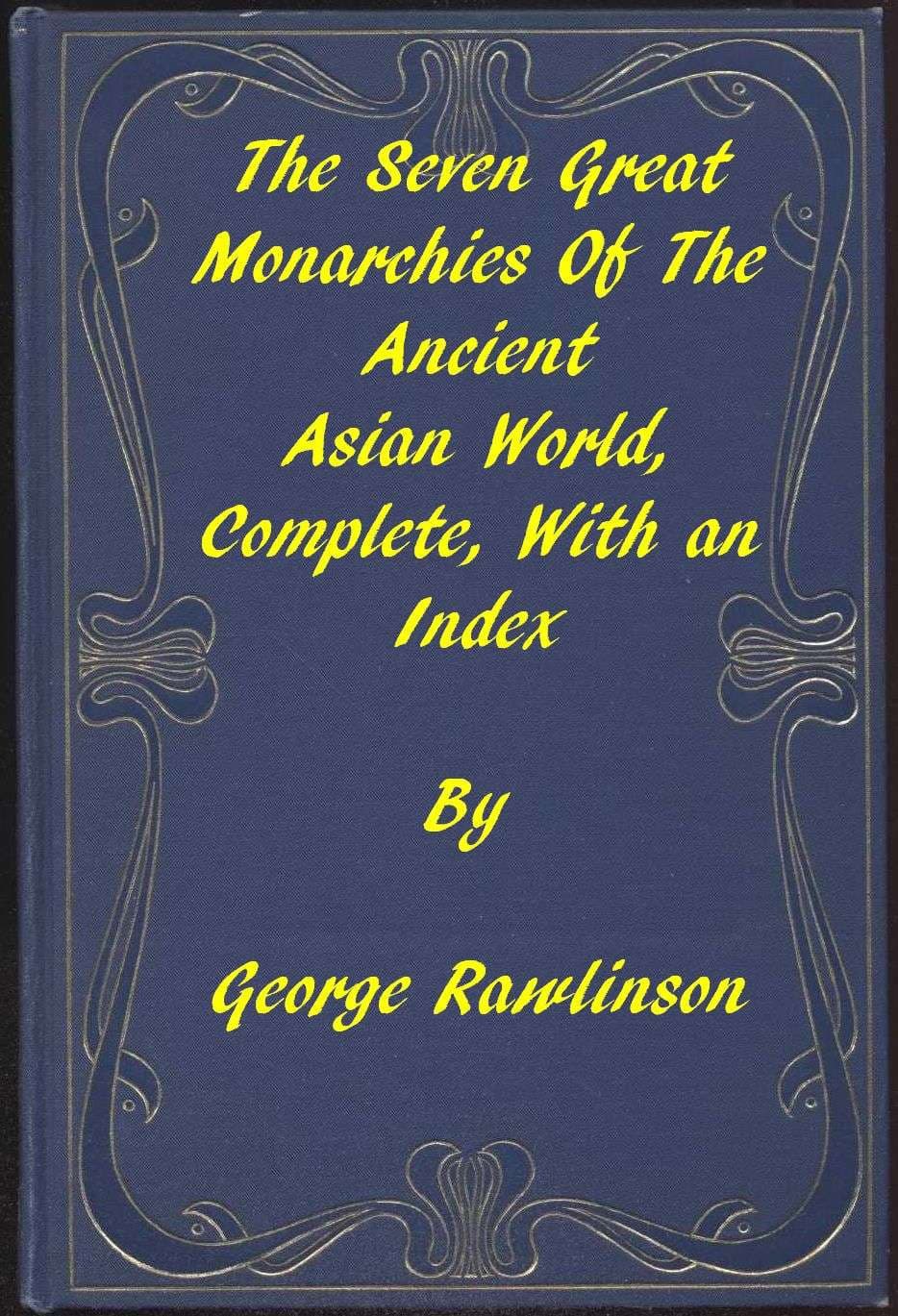



Link to this page
Add a free, dofollow link to Lex on your blog, forum, syllabus, or reading list.

<a href="https://lex-books.com/author/george-rawlinson"><img src="https://lex-books.com/badges/read-on-lex.svg" alt="George Rawlinson on Lex" width="160" height="40"></a>[](https://lex-books.com/author/george-rawlinson)[url=https://lex-books.com/author/george-rawlinson][img]https://lex-books.com/badges/read-on-lex.svg[/img][/url]George Rawlinson on Lex: https://lex-books.com/author/george-rawlinson