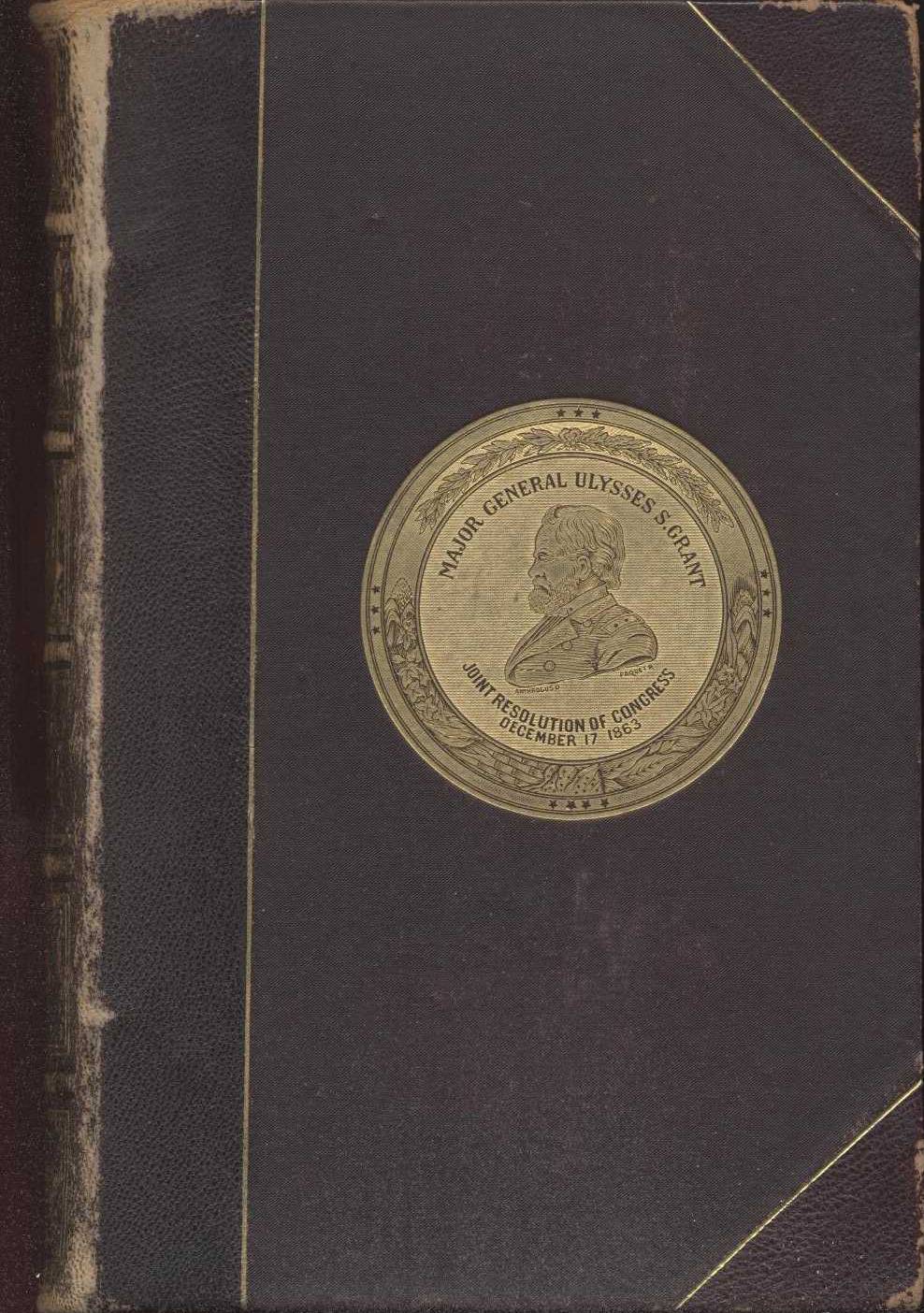
Beacon Lights of History, Volume 05: The Middle Ages
Beacon Lights of History, Volume 05: The Middle Ages
Beacon Lights of History, Volume 05: The Middle Ages, authored by John Lord in the late 19th century, provides a historical account of significant figures and events from the Middle Ages. The volume focuses on influential personalities such as Mohammed and Charlemagne, exploring their impact on religious and political landscapes. Lord examines Mohammed's life as a reformer and the evolution of perceptions surrounding him, setting the context for further discussions on the era's key themes and figures.
Editions
X-Ray
Arabian prophet and founder of Islam (570-632 A.D.). Born in Mecca, he preached monotheism and established a new religion that spread rapidly across the world.
King of the Franks and Holy Roman Emperor (742-814 A.D.). United much of Western Europe and was crowned Emperor by the Pope, representing the revival of the Western Empire.
Pope Gregory VII (1020-1085 A.D.), son of a carpenter who became the most powerful pope of the Middle Ages. Fought to establish papal supremacy over temporal rulers.
Abbot of Clairvaux (1091-1153 A.D.), the greatest representative of medieval monasticism. Reformed the Cistercian order and became Europe's most influential churchman.
About Beacon Lights of History, Volume 05: The Middle Ages
Chapter Summaries
- 1
- Traces the life of Mohammed from his birth in Mecca through his spiritual awakening, the founding of Islam, and the rapid expansion of the faith through conquest. Lord examines both Mohammed's genuine religious mission and his later accommodation to worldly means of spreading his doctrine.
- 2
- Chronicles the reign of Charlemagne, who united much of Western Europe and was crowned Holy Roman Emperor. The chapter details his conquests, his alliance with the Church, his administrative reforms, and his efforts to revive learning and civilization after the dark ages.
- 3
- Examines the career of Pope Gregory VII, who transformed the papacy into the supreme power in medieval Europe. The chapter focuses on his conflict with Emperor Henry IV over investiture rights and his success in establishing papal supremacy over temporal rulers.
Key Themes
- The Rise of Papal Power
- The book traces how the papacy evolved from a spiritual office to the supreme temporal power in medieval Europe, culminating in figures like Hildebrand who could humble emperors and reshape the political landscape of Christendom.
- Faith versus Reason
- Medieval thinkers struggled to reconcile religious faith with philosophical reason, seen especially in the scholastic movement where figures like Aquinas sought to harmonize Aristotelian logic with Christian doctrine.
- Monasticism and Spiritual Reform
- Monastic institutions served as centers of learning, spiritual renewal, and social reform throughout the Middle Ages, though they also faced cycles of corruption and reformation as seen in the careers of Bernard and other reformers.
Characters
- Mohammed(protagonist)
- Arabian prophet and founder of Islam (570-632 A.D.). Born in Mecca, he preached monotheism and established a new religion that spread rapidly across the world.
- Charlemagne(protagonist)
- King of the Franks and Holy Roman Emperor (742-814 A.D.). United much of Western Europe and was crowned Emperor by the Pope, representing the revival of the Western Empire.
- Hildebrand (Gregory VII)(protagonist)
- Pope Gregory VII (1020-1085 A.D.), son of a carpenter who became the most powerful pope of the Middle Ages. Fought to establish papal supremacy over temporal rulers.
- Saint Bernard(protagonist)
- Abbot of Clairvaux (1091-1153 A.D.), the greatest representative of medieval monasticism. Reformed the Cistercian order and became Europe's most influential churchman.
- Saint Anselm(protagonist)
- Archbishop of Canterbury (1033-1109 A.D.), profound theologian and philosopher. Fought against royal encroachments on Church privileges and developed rational proofs for God's existence.
- Thomas Aquinas(protagonist)
- Dominican friar and theologian (1225-1274 A.D.), called the 'Angelical Doctor.' Created the greatest synthesis of Christian theology and Aristotelian philosophy in his 'Summa Theologica.'
Link to this book
Add a free, dofollow link to Lex on your blog, forum, syllabus, or reading list.

<a href="https://lex-books.com/book/beacon-lights-of-history-volume-05-the-middle-ages-9bf078e5-90d0-4e07-ab0c-2e89c0c940d9"><img src="https://lex-books.com/badges/read-on-lex.svg" alt="Read Beacon Lights of History, Volume 05: The Middle Ages by John Lord free on Lex" width="160" height="40"></a>[](https://lex-books.com/book/beacon-lights-of-history-volume-05-the-middle-ages-9bf078e5-90d0-4e07-ab0c-2e89c0c940d9)[url=https://lex-books.com/book/beacon-lights-of-history-volume-05-the-middle-ages-9bf078e5-90d0-4e07-ab0c-2e89c0c940d9][img]https://lex-books.com/badges/read-on-lex.svg[/img][/url]Read Beacon Lights of History, Volume 05: The Middle Ages by John Lord free on Lex: https://lex-books.com/book/beacon-lights-of-history-volume-05-the-middle-ages-9bf078e5-90d0-4e07-ab0c-2e89c0c940d9Cite this book
Reading this edition for a paper or guide? Copy a citation.
Lord, John. Beacon Lights of History, Volume 05: The Middle Ages. Lex, lex-books.com/book/beacon-lights-of-history-volume-05-the-middle-ages-9bf078e5-90d0-4e07-ab0c-2e89c0c940d9.Lord, J. (n.d.). Beacon Lights of History, Volume 05: The Middle Ages. Lex. https://lex-books.com/book/beacon-lights-of-history-volume-05-the-middle-ages-9bf078e5-90d0-4e07-ab0c-2e89c0c940d9Lord, John. Beacon Lights of History, Volume 05: The Middle Ages. Lex. https://lex-books.com/book/beacon-lights-of-history-volume-05-the-middle-ages-9bf078e5-90d0-4e07-ab0c-2e89c0c940d9.