Parochial and Plain Sermons, Vol. VIII (of 8)
1868
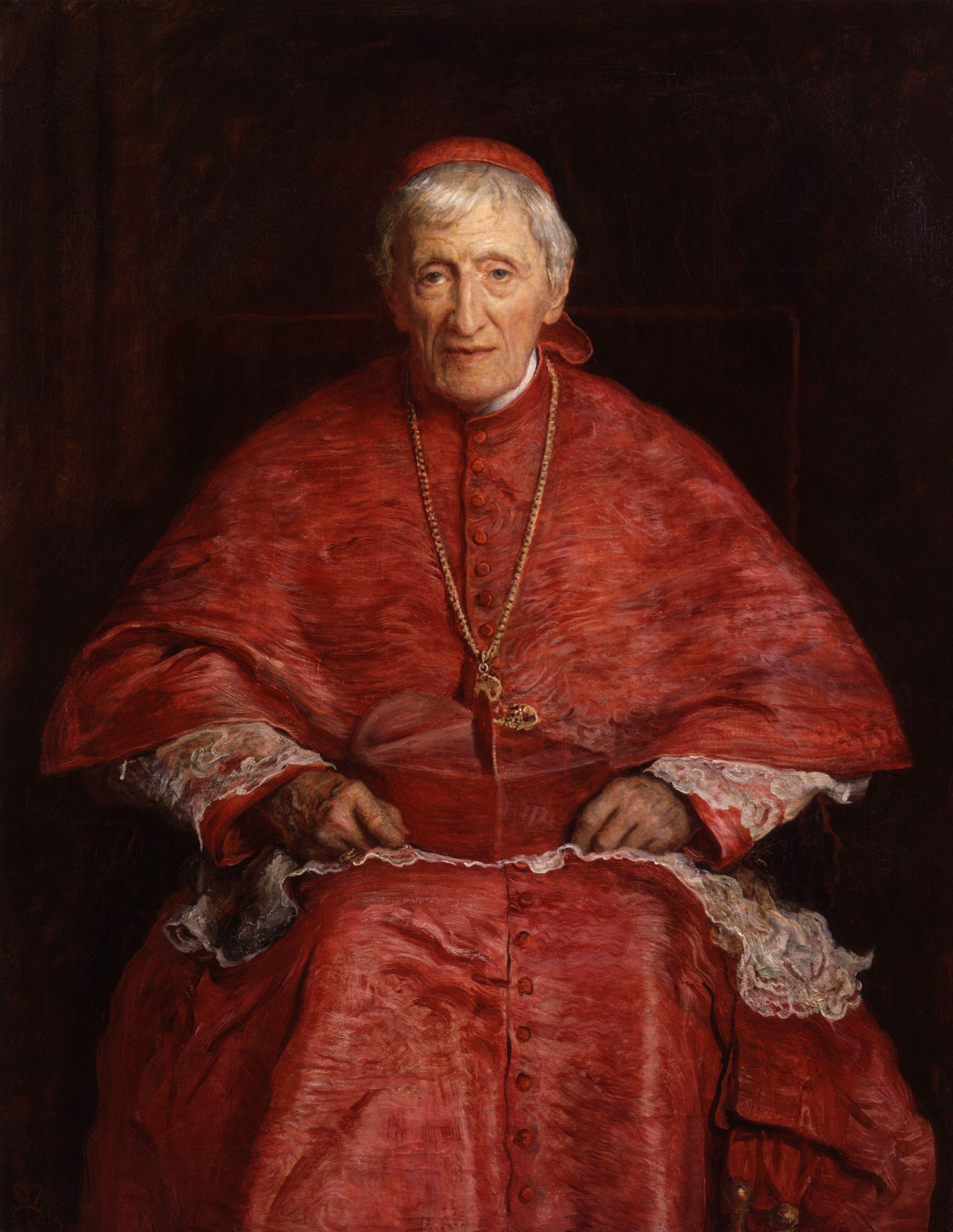
John Henry Newman possessed one of the finest minds in Victorian England, and these sermons reveal why. Originally delivered to congregations over decades, they blend theological rigor with extraordinary psychological insight, the kind that makes you feel Newman understood your own inner struggles better than you did yourself. This eighth volume gathers sermons on reverence, divine calling, and the trials that test every faithful person. The opening piece uses the biblical story of Samuel as its lens: a child in the temple, called by God, answering with immediacy and humility. Newman contrasts this sacred responsiveness with the irreverence of those who approach the divine casually or on their own terms. The collection doesn't simply instruct; it confronts readers with the cost of genuine faith, the weight of obedience, and the strange holiness of showing up for God even when the world offers easier paths. These are not relics of Victorian piety. They are examinations of the eternal human condition, written by a man who grappled with doubt, conversion, and the cost of following conscience into unpopular territory. For anyone seeking spiritual writing that refuses to sentimentalize the Christian life, Newman remains indispensable.
Editions
X-Ray
“Without self-knowledge you have no root in yourselves personally; you may endure for a time, but under affliction or persecution your faith will not last. This is why many in this age (and in every age) become infidels, heretics, schismatics, disloyal despisers of the Church. They cast off the form of truth, because it never has been to them more than a form. They endure not, because they never have tasted that the Lord is gracious; and they never have had experience of His power and love, because they have never known their own weakness and need.””
— John Henry Newman
“It is beautiful in a picture to wash the disciples’ feet; but the sands of the real desert have no lustre in them to compensate for the servile nature of the occupation.””
— John Henry Newman
“To obtain the gift of holiness is the work of a life.””
— John Henry Newman
“What is more likely, considering our perverse nature, than that we should neglect the duties, while we wish to retain the privileges of our Christian profession? Our””
— John Henry Newman
“I never said a person was not in a hopeful way who did not thus fully discern the world’s vanity and the worth of his soul. But a man is truly in a very desperate way who does not wish, who does not try, to discern and feel all this.””
— John Henry Newman
“If, then, this be a time (which I suppose it is) when a general profession of religion is thought respectable and right in the virtuous and orderly classes of the community, this circumstance should not diminish your anxiety about your own state before God, but rather (I may say) increase it; for two reasons, first, because you are in danger of doing right from motives of this world; next, because you may, perchance, be cheated of the Truth, by some ingenuity which the world puts, like counterfeit coin, in the place of the Truth. Some,””
— John Henry Newman
“[I]t is only as we labour to change our nature, through God’s help, and to serve Him truly, that we begin to discern the beauty of holiness. Then, at length, we find reason to suspect our own judgments of what is truly good, and perceive our own blindness; for by degrees we find that those whose opinions and conduct we hitherto despised or wondered at as extravagant or unaccountable or weak, really know more than ourselves, and are above us”
— John Henry Newman
“Above all, clergymen are bound to form and pronounce an opinion. It is sometimes said, in familiar language, that a clergyman should have nothing to do with politics. This is true, if it be meant that he should not aim at secular objects, should not side with a political party as such, should not be ambitious of popular applause, or the favour of great men, should not take pleasure and lose time in business of this world, should not be covetous. But if it means that he should not express an opinion and exert an influence one way rather than another, it is plainly unscriptural. Did””
— John Henry Newman
“Doing is at a far greater distance from intending to do than you at first sight imagine. Join””
— John Henry Newman
Link to this book
Add a free, dofollow link to Lex on your blog, forum, syllabus, or reading list.

<a href="https://lex-books.com/book/parochial-and-plain-sermons-vol-viii-of-8-3eaee2dd-6278-4188-9e1d-7ff4fcb915b4"><img src="https://lex-books.com/badges/read-on-lex.svg" alt="Read Parochial and Plain Sermons, Vol. VIII (of 8) by John Henry Newman free on Lex" width="160" height="40"></a>[](https://lex-books.com/book/parochial-and-plain-sermons-vol-viii-of-8-3eaee2dd-6278-4188-9e1d-7ff4fcb915b4)[url=https://lex-books.com/book/parochial-and-plain-sermons-vol-viii-of-8-3eaee2dd-6278-4188-9e1d-7ff4fcb915b4][img]https://lex-books.com/badges/read-on-lex.svg[/img][/url]Read Parochial and Plain Sermons, Vol. VIII (of 8) by John Henry Newman free on Lex: https://lex-books.com/book/parochial-and-plain-sermons-vol-viii-of-8-3eaee2dd-6278-4188-9e1d-7ff4fcb915b4Cite this book
Reading this edition for a paper or guide? Copy a citation.
Newman, John Henry. Parochial and Plain Sermons, Vol. VIII (of 8). Lex, lex-books.com/book/parochial-and-plain-sermons-vol-viii-of-8-3eaee2dd-6278-4188-9e1d-7ff4fcb915b4.Newman, J. H. (1868). Parochial and Plain Sermons, Vol. VIII (of 8). Lex. https://lex-books.com/book/parochial-and-plain-sermons-vol-viii-of-8-3eaee2dd-6278-4188-9e1d-7ff4fcb915b4Newman, John Henry. Parochial and Plain Sermons, Vol. VIII (of 8). Lex. https://lex-books.com/book/parochial-and-plain-sermons-vol-viii-of-8-3eaee2dd-6278-4188-9e1d-7ff4fcb915b4.