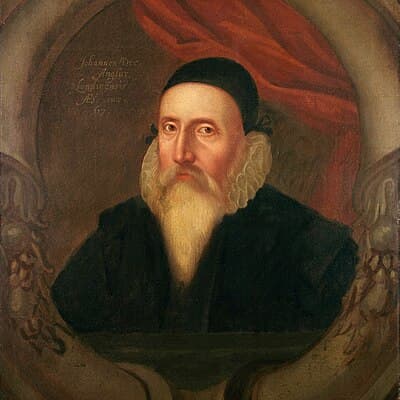
John Dee
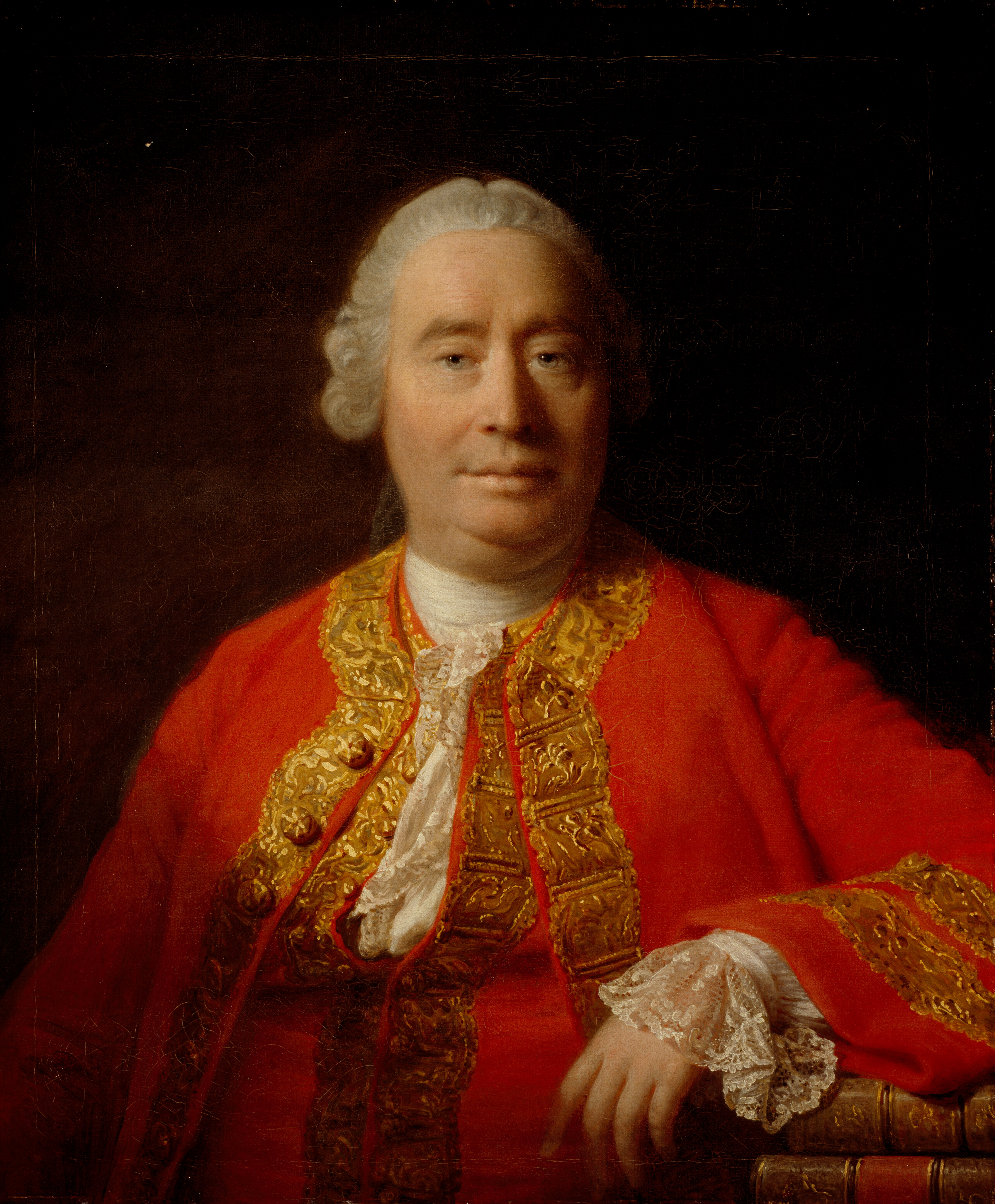
John Dee was an influential English mathematician, astronomer, and occultist who served as the court astronomer and advisor to Queen Elizabeth I. Renowned for his extensive knowledge in alchemy and Hermetic philosophy, Dee was also an antiquarian with one of the largest libraries in England during his time. His advocacy for the establishment of English colonies in the New World contributed to the early concepts of a 'British Empire,' a term he is credited with coining. Dee's work promoted the idea of English overseas exploration as a means of political and spiritual renewal. Despite his significant contributions, Dee's later years were marked by controversy and misfortune. After leaving the Queen's service, he sought deeper knowledge of the occult, aligning himself with dubious individuals and traveling across Europe. Accusations of espionage for the English Crown followed him, and upon his return to England, he discovered his home and library had been vandalized. Although he briefly returned to court, he was ultimately dismissed after the succession of James I. Dee died in relative obscurity and poverty, with his final resting place remaining unknown, leaving behind a complex legacy that intertwined science, mysticism, and exploration.
Famous Quotes
View all 3 quotes“Who does not understand should either learn, or be silent.”
“By this we demonstrate here that the Quaternary is concealed within the Ternary. O God! pardon me if I have sinned against Thy Majesty in revealing such a great mystery in my writings which all may read, but I believe that only those who are truly worthy will understand.”
“I have from my youth up, desired and prayed unto God for pure and sound wisdom and understanding of truths natural and artificial, so that God's wisdom, goodness, and power bestowed in the frame of the world might be brought in some bountiful measure under the talent of my capacity... So for many years and in many places, far and near, I have sought and studied many books in sundry languages, and have conferred with sundry men, and have laboured with my own reasonable discourse, to find some inkling, gleam, or beam of those radical truths. But after all my endeavours I could find no other way to attain such wisdom but by the Extraordinary Gift, and not by any vulgar school, doctrine, or human invention”
Books from the author


Link to this page
Add a free, dofollow link to Lex on your blog, forum, syllabus, or reading list.

<a href="https://lex-books.com/author/john-dee"><img src="https://lex-books.com/badges/read-on-lex.svg" alt="John Dee on Lex" width="160" height="40"></a>[](https://lex-books.com/author/john-dee)[url=https://lex-books.com/author/john-dee][img]https://lex-books.com/badges/read-on-lex.svg[/img][/url]John Dee on Lex: https://lex-books.com/author/john-dee