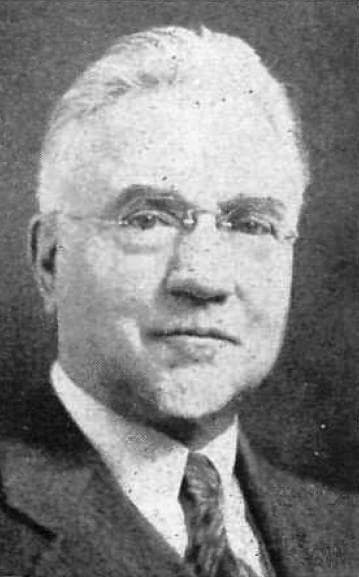
John Andreas Widtsoe
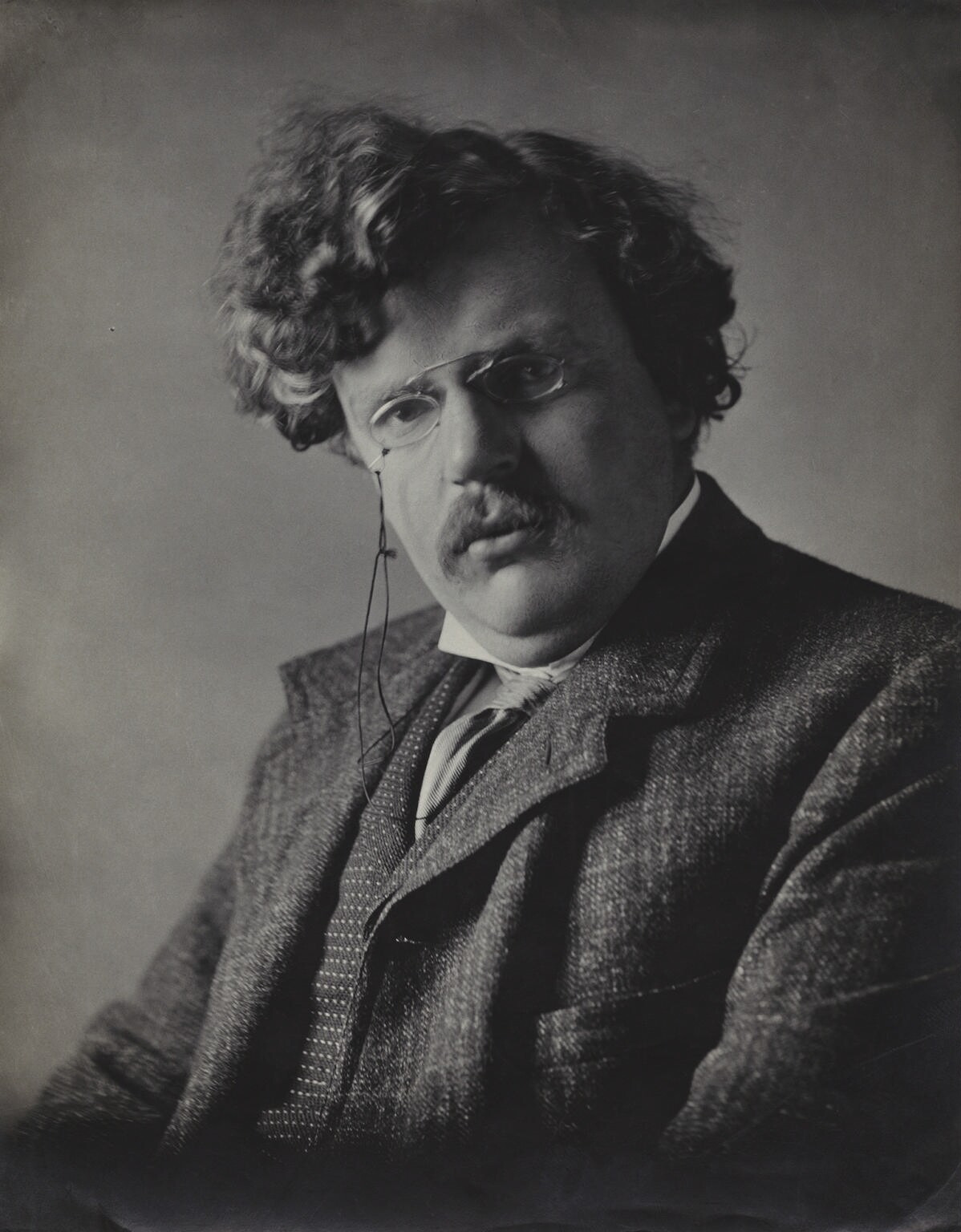
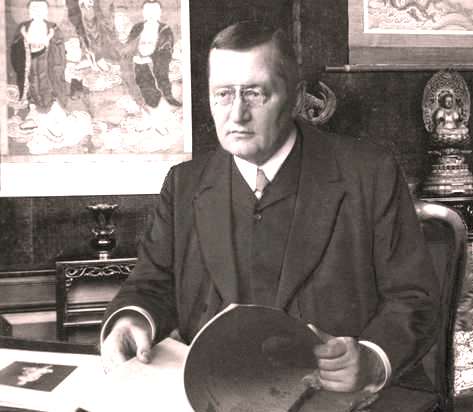
John Andreas Widtsoe was a prominent Norwegian-American scientist, author, and religious leader known for his significant contributions to both the fields of agriculture and theology. Born in Norway, he emigrated to the United States, where he became a member of the Church of Jesus Christ of Latter-day Saints. Widtsoe served as a member of the Quorum of the Twelve Apostles from 1921 until his death in 1952, influencing the church's direction during a pivotal time in its history. His leadership was marked by a commitment to education and the integration of scientific principles with religious beliefs. Widtsoe authored several works that bridged the gap between science and faith, including "Evidences and Reconciliations" and "The Great Plan of Happiness." His writings emphasized the importance of rational thought and empirical evidence in understanding spiritual truths, making him a notable figure in the dialogue between science and religion. Widtsoe's legacy endures through his contributions to agricultural science and his efforts to promote a harmonious relationship between faith and reason within the LDS Church, establishing him as a key figure in early 20th-century American religious thought.
Famous Quotes
View all 20 quotes“Seek ye out of the best books words of wisdom; seek learning even by study."[A] "Obtain a knowledge of history, and of countries and of kingdoms, of laws of God and man."[B] "Study and learn and become acquainted with all good books, and with languages, tongues and peoples."[C] "It is impossible for a man to be saved in ignorance."[D]””
“It is remarkable that Joseph Smith taught the law of evolution as an eternal truth, twenty or more years before Darwin published his views. [Sidenote:””
“Man's presence here on earth is simply that he may better learn to understand the nature of gross matter, and thus to develop and progress more completely. It””
Books from the author


Link to this page
Add a free, dofollow link to Lex on your blog, forum, syllabus, or reading list.

<a href="https://lex-books.com/author/john-andreas-widtsoe"><img src="https://lex-books.com/badges/read-on-lex.svg" alt="John Andreas Widtsoe on Lex" width="160" height="40"></a>[](https://lex-books.com/author/john-andreas-widtsoe)[url=https://lex-books.com/author/john-andreas-widtsoe][img]https://lex-books.com/badges/read-on-lex.svg[/img][/url]John Andreas Widtsoe on Lex: https://lex-books.com/author/john-andreas-widtsoe