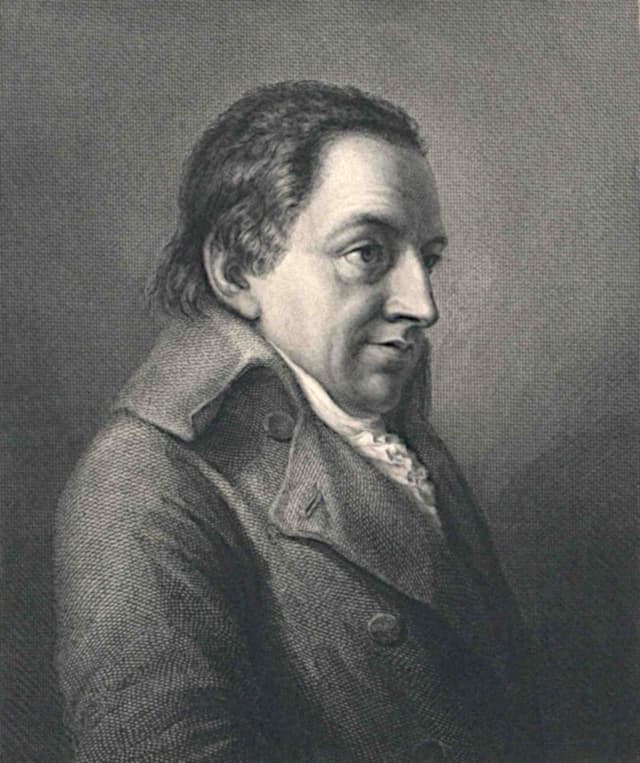
Johann Gottlieb Fichte
Johann Gottlieb Fichte was a pivotal German philosopher and a foundational figure in the development of German idealism, emerging from the intellectual legacy of Immanuel Kant. His philosophical inquiries centered on the nature of self-consciousness, offering original insights that distinguished him from his predecessors. Fichte's exploration of subjectivity and consciousness led to the formulation of the dialectical method known as thesis–antithesis–synthesis, a concept often misattributed to Hegel. His works, including 'Foundations of the Entire Science of Knowledge' and 'The Vocation of Man,' reflect his deep engagement with the complexities of human awareness and identity. In addition to his contributions to philosophy, Fichte was influential in political thought, earning recognition as one of the early architects of German nationalism. His writings advocated for the importance of national identity and the role of the individual within the state, which resonated with the socio-political climate of his time. Fichte's legacy endures not only through his philosophical innovations but also through his impact on subsequent thinkers and movements, marking him as a significant figure in the evolution of modern philosophy and national consciousness.
Famous Quotes
View all 3 quotes“What sort of philosophy one chooses depends, therefore, on what sort of man one is; for a philosophical system is not a dead piece of furniture that we can accept or reject as we wish, it is rather a thing animated by the soul of the person who holds it.”
“A man can do what he ought to do; and when he says he cannot, it is because he will not.”
“Men in the vehement pursuit of happiness grasp at the first object which offers to them any prospect of satisfaction, but immediately they turn an introspective eye and ask, ‘Am I happy?’ and at once from their innermost being a voice answers distinctly, ‘No, you are as poor and as miserable as before.' Then they think it was the object that deceived them and turn precipitately to another. But the second holds as little satisfaction as the first…Wandering then through life restless and tormented, at each successive station they think that happiness dwells at the next, but when they reach it happiness is no longer there. In whatever position they may find themselves there is always another one which they discern from afar, and which but to touch, they think, is to find the wished delight, but when the goal is reached discontent has followed on the way stands in haunting constancy before them.”
Books from the author




Link to this page
Add a free, dofollow link to Lex on your blog, forum, syllabus, or reading list.

<a href="https://lex-books.com/author/johann-gottlieb-fichte"><img src="https://lex-books.com/badges/read-on-lex.svg" alt="Johann Gottlieb Fichte on Lex" width="160" height="40"></a>[](https://lex-books.com/author/johann-gottlieb-fichte)[url=https://lex-books.com/author/johann-gottlieb-fichte][img]https://lex-books.com/badges/read-on-lex.svg[/img][/url]Johann Gottlieb Fichte on Lex: https://lex-books.com/author/johann-gottlieb-fichte