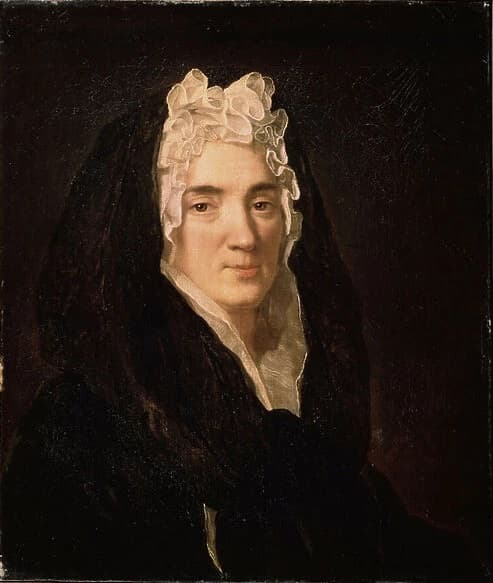
Jeanne Marie Bouvier de la Motte Guyon
Jeanne-Marie Bouvier de La Motte Guyon, known as Madame Guyon, was a prominent French mystic and writer whose spiritual teachings sparked significant controversy in the late 17th century. Born into a well-off family, she experienced a profound religious transformation that led her to advocate for a form of spirituality emphasizing inner contemplation and a direct, personal relationship with God. Her most notable work, 'A Short and Very Easy Method of Prayer,' outlined her approach to prayer and meditation, which was rooted in the practice of Quietism—a movement that sought to achieve a state of spiritual passivity and surrender to divine will. Guyon's teachings, however, were met with fierce opposition from the Roman Catholic Church, which deemed her ideas heretical. In 1695, she was imprisoned for eight years due to her writings and the influence she wielded among her followers. Despite the Church's condemnation, her works continued to inspire many, contributing to the development of mysticism in Christianity. Madame Guyon's legacy endures as a significant figure in the history of Christian spirituality, representing the tension between personal faith and institutional authority.
Famous Quotes
View all 18 quotes“We never know how strongly we cling to objects until they are taken away, and he who thinks htat he is attached to nothing, is frequently grandly mistaken, being bound to a thousand things, unknown to himself.””
“A person truly humbled permits not anything to put him in a rage. As it is pride which dies the last in the soul, so it is passion which is last destroyed in the outward conduct. A soul thoroughly dead to itself, finds nothing of rage left.””
“Be patient in prayer, even though you should do nothing all your life but wait in patience, with a heart humbled, abandoned, resigned, and content for the return of your Beloved. Oh, excellent prayer! How it moves the heart of God, and obliges Him to return more than anything else!””
Books from the author



Link to this page
Add a free, dofollow link to Lex on your blog, forum, syllabus, or reading list.

<a href="https://lex-books.com/author/jeanne-marie-bouvier-de-la-motte-guyon"><img src="https://lex-books.com/badges/read-on-lex.svg" alt="Jeanne Marie Bouvier de la Motte Guyon on Lex" width="160" height="40"></a>[](https://lex-books.com/author/jeanne-marie-bouvier-de-la-motte-guyon)[url=https://lex-books.com/author/jeanne-marie-bouvier-de-la-motte-guyon][img]https://lex-books.com/badges/read-on-lex.svg[/img][/url]Jeanne Marie Bouvier de la Motte Guyon on Lex: https://lex-books.com/author/jeanne-marie-bouvier-de-la-motte-guyon