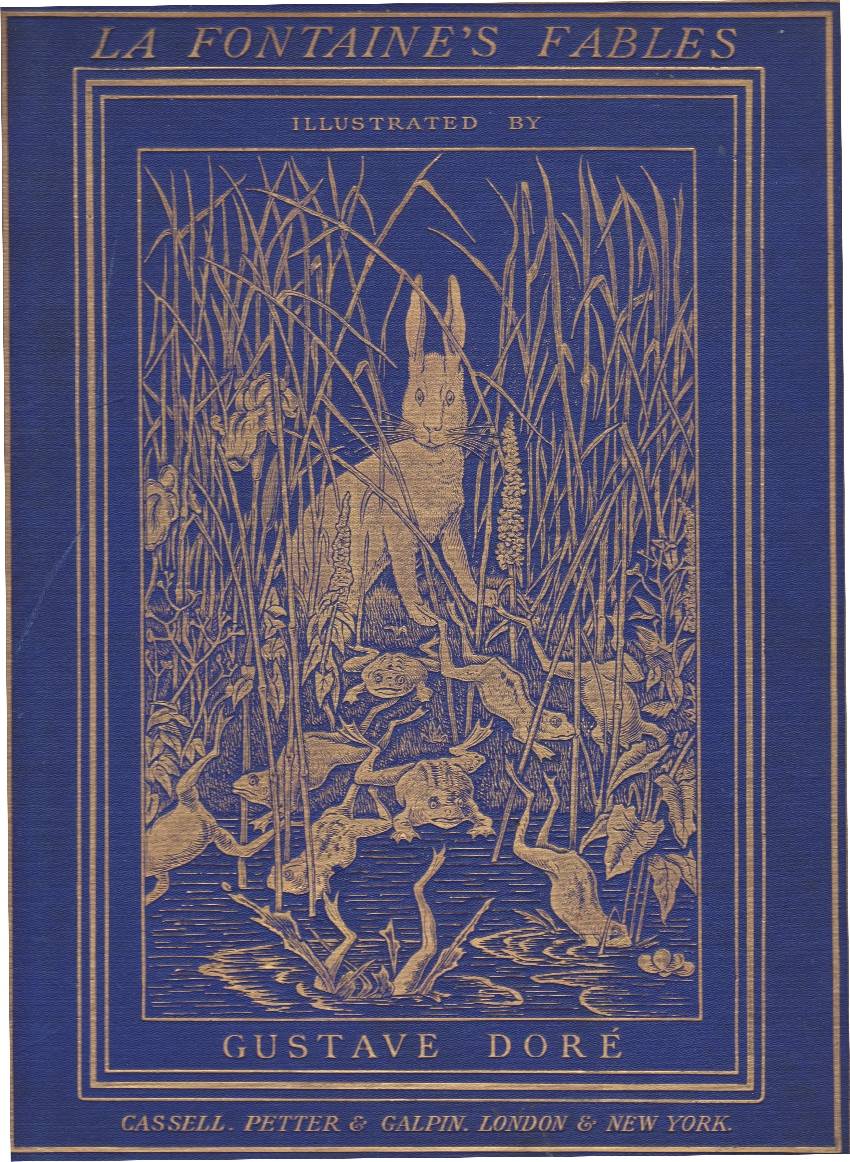
The Fables of La Fontaine: Translated into English Verse by Walter Thornbury and Illustrated by Gustave Doré
1927
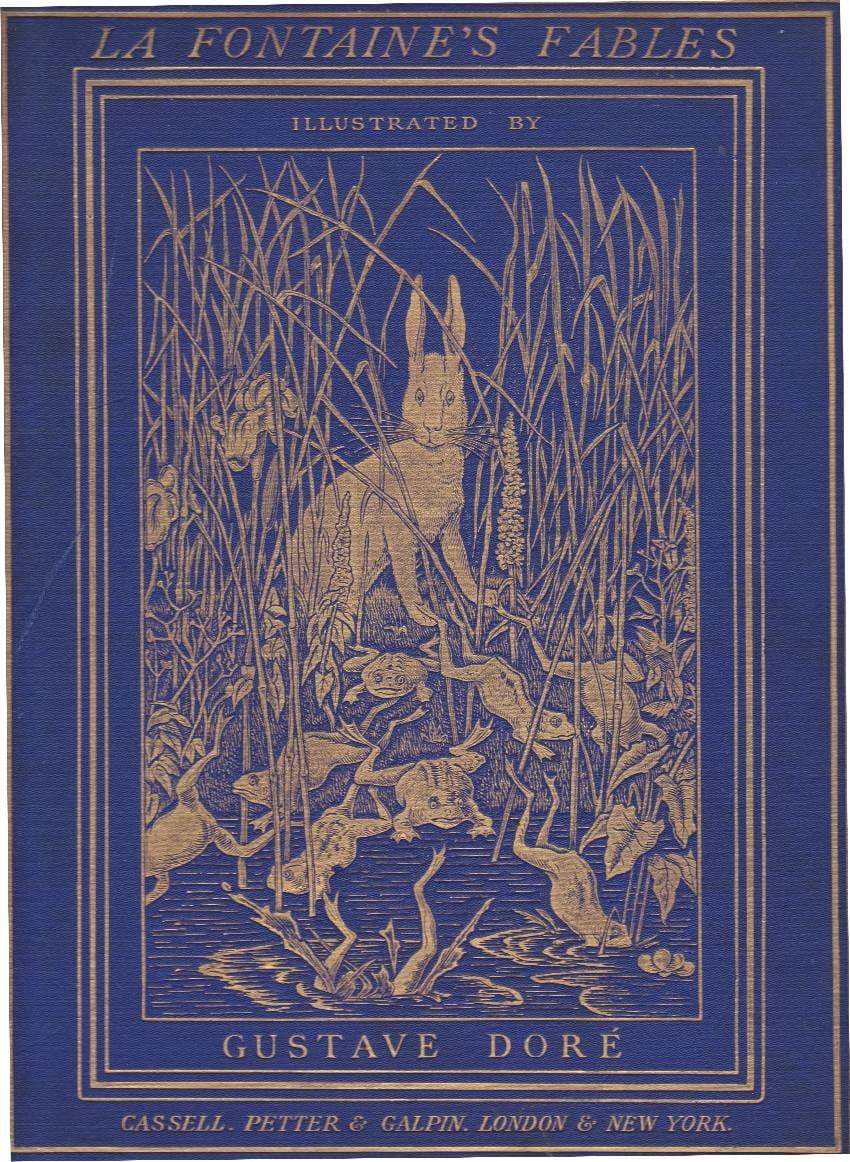
The Fables of La Fontaine: Translated into English Verse by Walter Thornbury and Illustrated by Gustave Doré
1927
Translated by Walter Thornbury
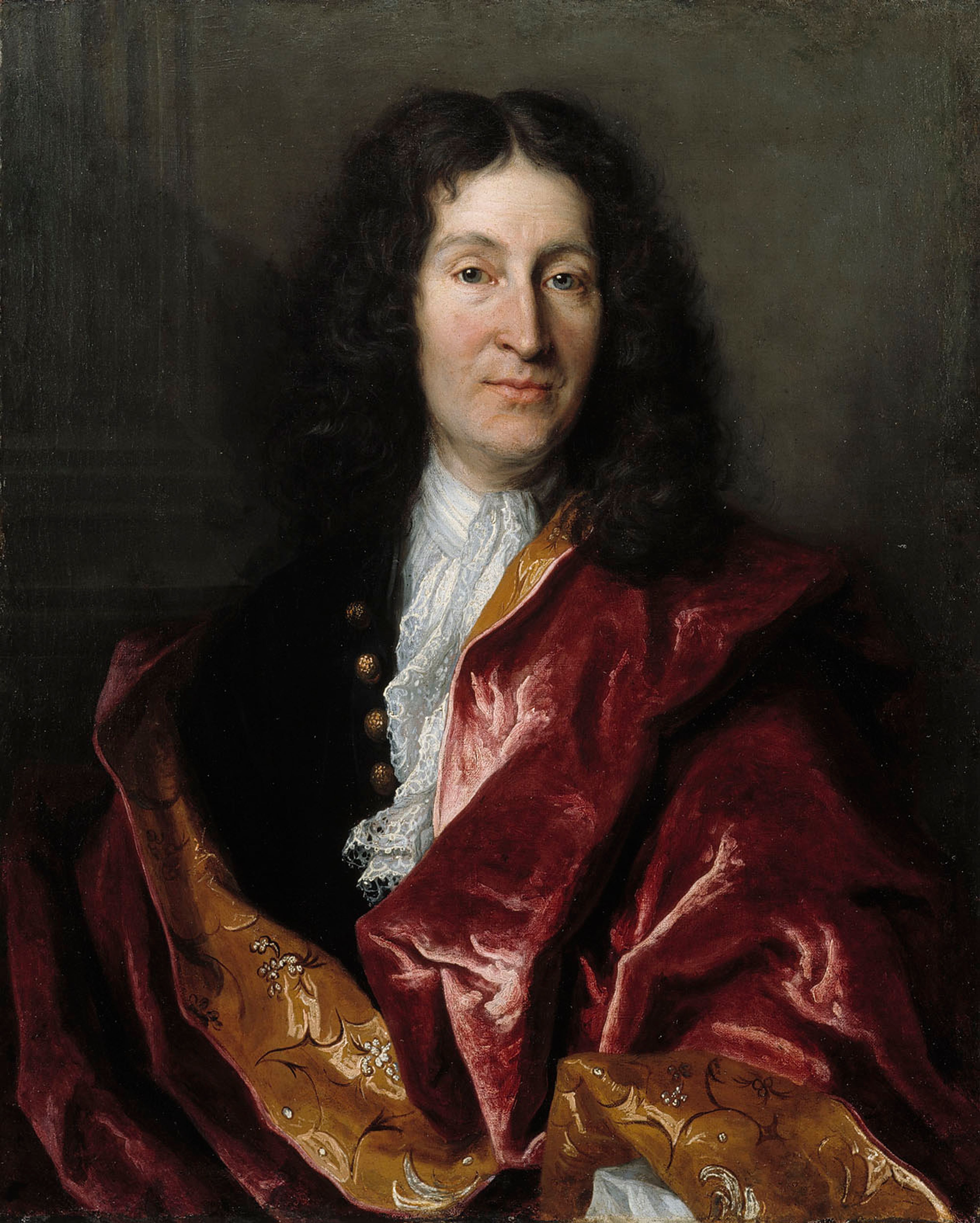
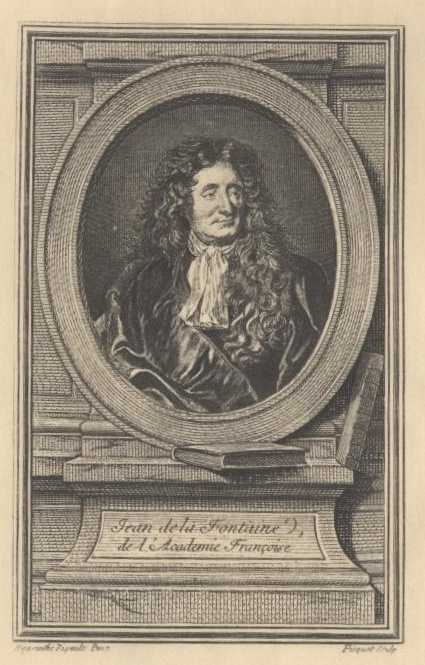
Jean de La Fontaine wrote these fables in 17th-century France, but they feel like they've existed forever. The animals are sly foxes outwitting credulous crows, industrious ants preparing for winter while carefree grasshoppers sing, wolves in sheep's clothing and cats scaling ladders. Each tale moves with the easy rhythm of French verse, delivering its moral lesson through wit rather than lecturing. Beneath the charming surface lies sharp commentary on French society, human vanity, greed, and the eternal dance between cleverness and folly. The Thornbury translation captures this playful elegance, while Gustave Doré's legendary illustrations bring every whisker and feather to vivid life. These are fables your grandmother's grandmother knew, the kind of stories that shape how a culture thinks about prudence, deception, and the small truths of daily behavior. They endure because they never condescend: you learn the lesson while laughing at the fox.
Editions

X-Ray
“A person often meets his destiny on the road he took to avoid it.””
— Jean de La Fontaine
“Rien ne sert de courir il faut partir à point””
— Jean de La Fontaine
“There's nothing sweeter than a real friend:Not only is he prompt to lend”
— Jean de La Fontaine
“I don't believe that Nature's powersHave tied her hands or pinioned ours,By marking on the heavenly vaultOur fate without mistake or fault.That fate depends on conjunctionsOf places, persons, times, and tracks,And not on the functionsOf more or less of quacks.””
— Jean de La Fontaine
“Quand l'abſurde eſt outré, on lui fait trop d'honneurDe vouloir par raiſon, combattre ſon erreur:Enchérir eſt plus court, ſans s'échauffer la bile.””
— Jean de La Fontaine
“Un Gatto, che diceano il Mangialardo,facea dei Topi un così gran macello,e tanti nell’avellon’avea sospinti e sbigottiti tanti,che i pochi vivi ancoranon osavano il muso cacciar fuora.Quatti nei buchi sen morian di fame,tanta paura avean di quel, non gatto,ma carnefice infame.Un giorno tuttavia, colto il momentoche il gatto andò a far visita all’amantee stette in alto tutta la giornata,si radunano i Topi a parlamento.Il presidente ch’era una personadi gran senno, propose, e parvebello a tutti il suo consiglio,che si attaccasse al gatto un campanello,un campanel che suonae dia l’avviso ai topi di fuggire,quando il nemico accenna di venire.- Bravo, bene, benissimo! – Ciascunoapprova la mozione.Ma quando si trattò di sceglier quelloche attaccare doveva il campanello,non si trovò nessuno.O fossi matto… io no… fossi corbello…Vedendo ch’era chiacchiera perduta,il presidente leva la seduta.Ho veduto qualche altro parlamento,(non di topi) e qualche altra commissioneche venne alla precisa conclusione.A ciarlar son bravi in cento,ma diverso è ben l’affarequando trattasi di fare.””
— Jean de La Fontaine
“No está cubierto de flores el camino a la gloria””
— Jean de La Fontaine
“Raça por mim tão amada, Desta feita morrerás!» Júpiter daí a nada Fez-se menos ferrabrás.””
— Jean de La Fontaine
“trincasse, a tagarela Foi valer-se””
— Jean de La Fontaine
Link to this book
Add a free, dofollow link to Lex on your blog, forum, syllabus, or reading list.

<a href="https://lex-books.com/book/the-fables-of-la-fontaine-translated-into-english-verse-by-walter-thornbury-and--0fbdf127-3b09-44c0-8c47-a283538f0607"><img src="https://lex-books.com/badges/read-on-lex.svg" alt="Read The Fables of La Fontaine: Translated into English Verse by Walter Thornbury and Illustrated by Gustave Doré by Jean de La Fontaine free on Lex" width="160" height="40"></a>[](https://lex-books.com/book/the-fables-of-la-fontaine-translated-into-english-verse-by-walter-thornbury-and--0fbdf127-3b09-44c0-8c47-a283538f0607)[url=https://lex-books.com/book/the-fables-of-la-fontaine-translated-into-english-verse-by-walter-thornbury-and--0fbdf127-3b09-44c0-8c47-a283538f0607][img]https://lex-books.com/badges/read-on-lex.svg[/img][/url]Read The Fables of La Fontaine: Translated into English Verse by Walter Thornbury and Illustrated by Gustave Doré by Jean de La Fontaine free on Lex: https://lex-books.com/book/the-fables-of-la-fontaine-translated-into-english-verse-by-walter-thornbury-and--0fbdf127-3b09-44c0-8c47-a283538f0607Cite this book
Reading this edition for a paper or guide? Copy a citation.
Fontaine, Jean de La. The Fables of La Fontaine: Translated into English Verse by Walter Thornbury and Illustrated by Gustave Doré. Lex, lex-books.com/book/the-fables-of-la-fontaine-translated-into-english-verse-by-walter-thornbury-and--0fbdf127-3b09-44c0-8c47-a283538f0607.Fontaine, J. D. L. (1927). The Fables of La Fontaine: Translated into English Verse by Walter Thornbury and Illustrated by Gustave Doré. Lex. https://lex-books.com/book/the-fables-of-la-fontaine-translated-into-english-verse-by-walter-thornbury-and--0fbdf127-3b09-44c0-8c47-a283538f0607Fontaine, Jean de La. The Fables of La Fontaine: Translated into English Verse by Walter Thornbury and Illustrated by Gustave Doré. Lex. https://lex-books.com/book/the-fables-of-la-fontaine-translated-into-english-verse-by-walter-thornbury-and--0fbdf127-3b09-44c0-8c47-a283538f0607.