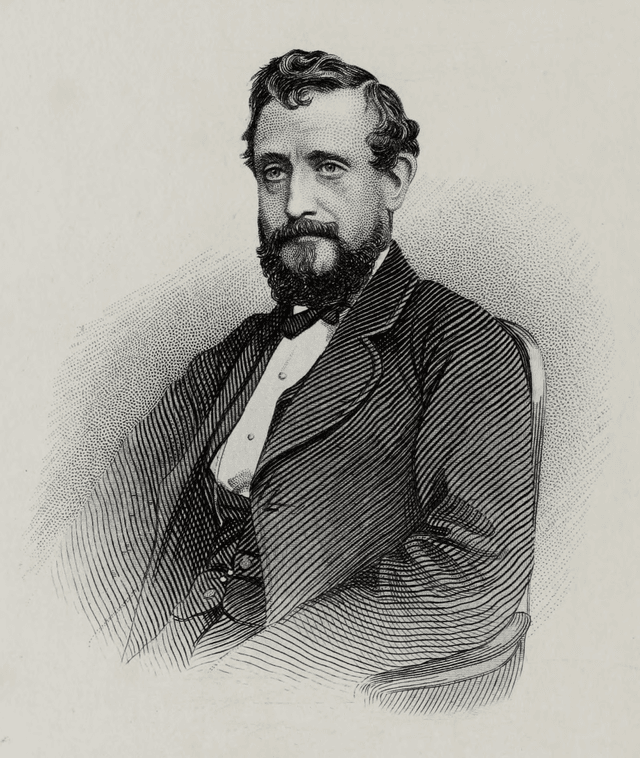
James Thomson
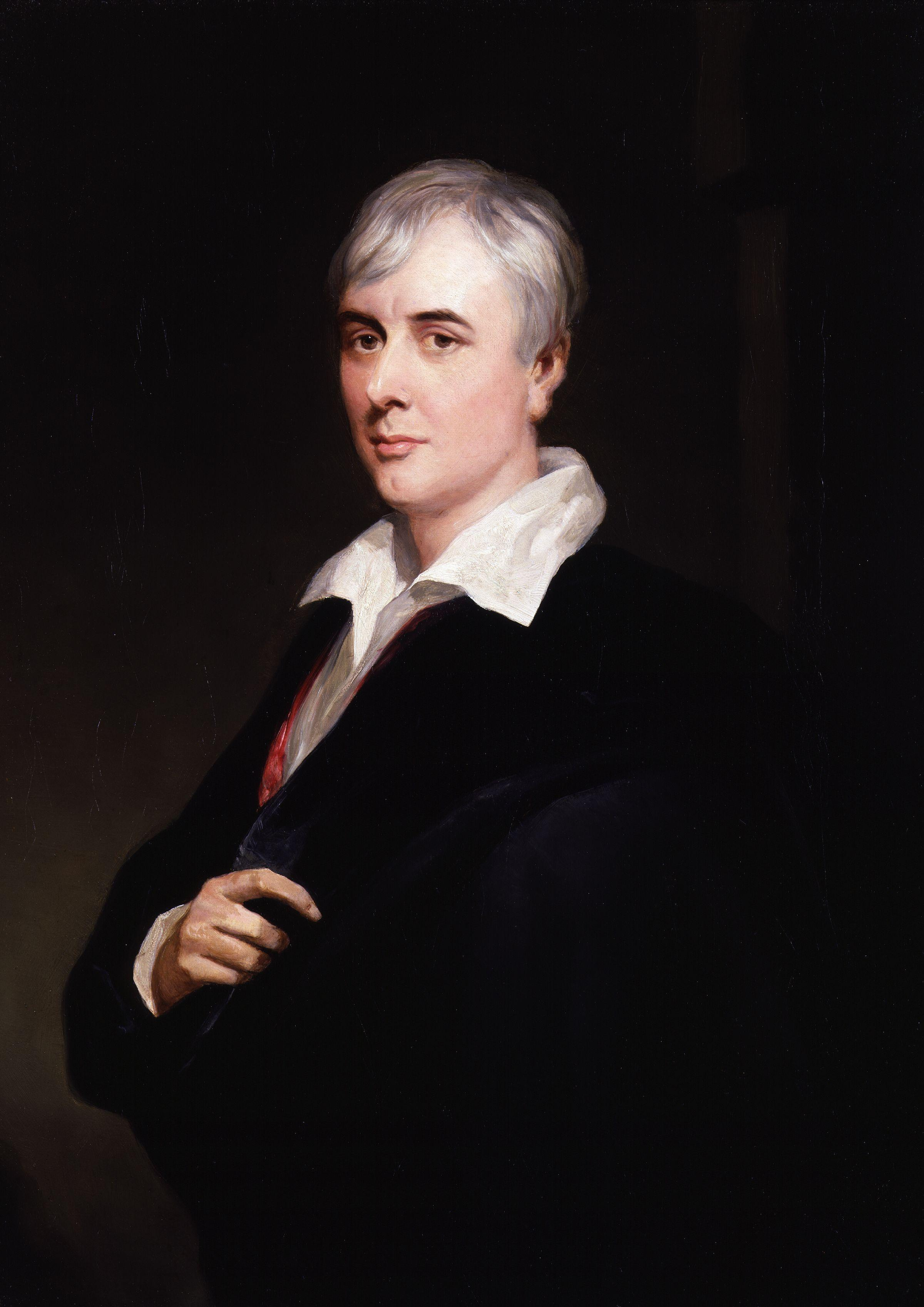
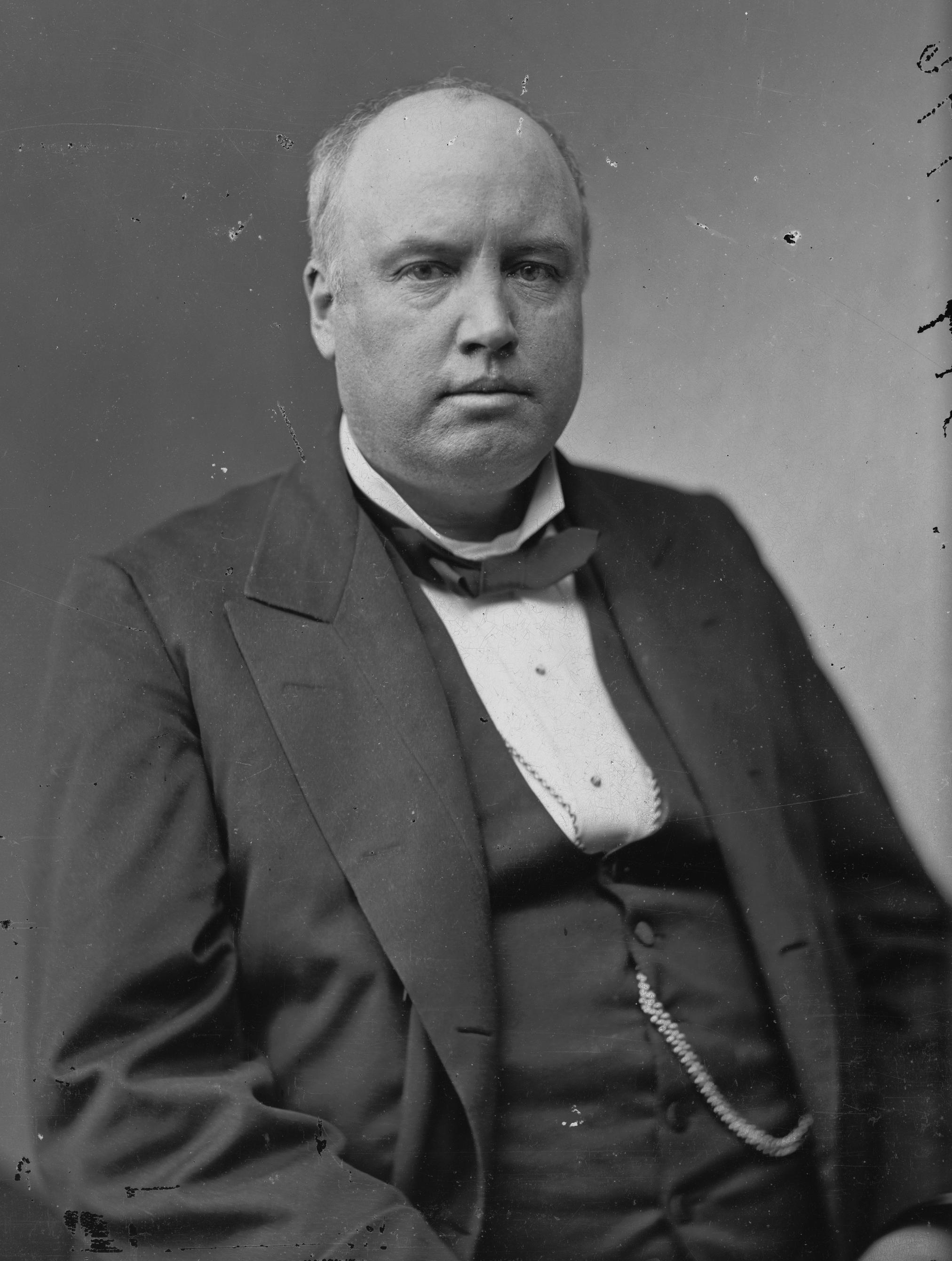
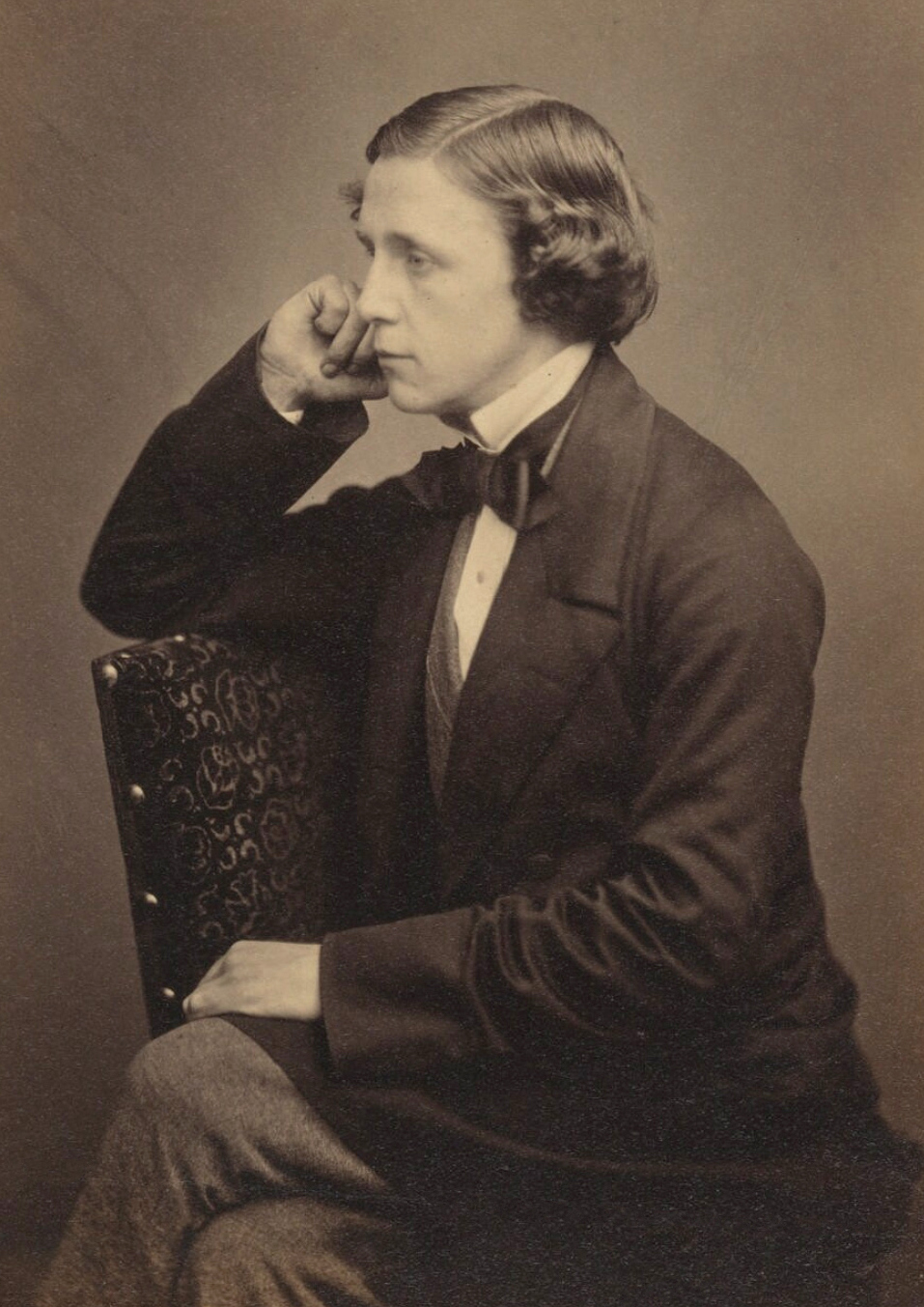
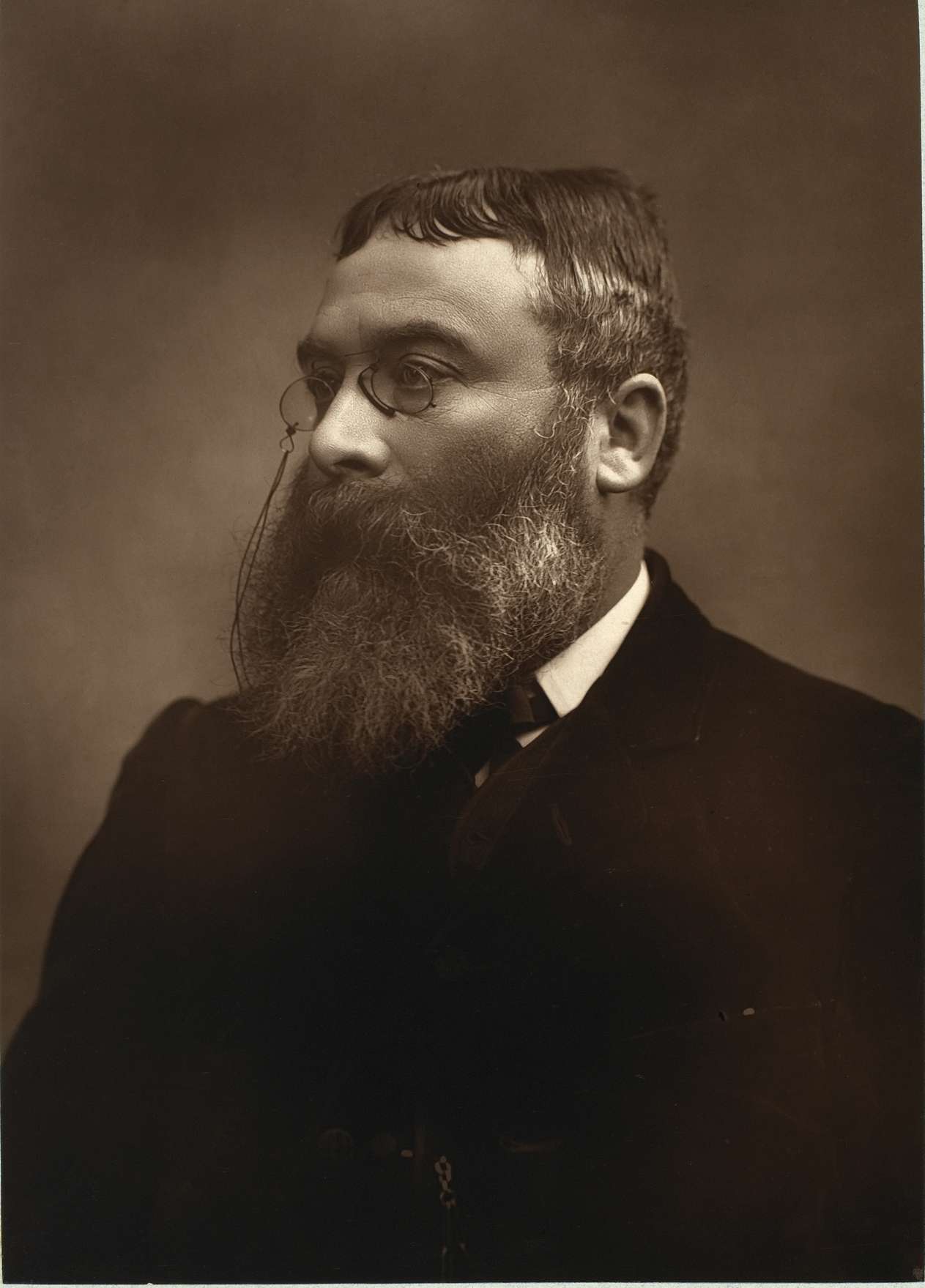
James Thomson, who wrote under the pseudonym Bysshe Vanolis, was a Scottish poet, journalist, and translator known for his poignant exploration of despair and urban life. Born in 1834, Thomson's most significant work, 'The City of Dreadful Night,' published in 1874 and revised in 1880, is a haunting meditation on the human condition, reflecting his own struggles with mental health and existential dread. This long poem is notable for its vivid imagery and innovative structure, capturing the bleakness of life in a rapidly industrializing society. Thomson's literary significance lies not only in his evocative poetry but also in his role as a precursor to later modernist writers. His candid treatment of themes such as alienation and hopelessness paved the way for future explorations of urban life and psychological depth in literature. Despite his relatively short life, Thomson's work has garnered a lasting legacy, influencing subsequent generations of poets and writers who grappled with similar themes of despair and the human experience.
Famous Quotes
View all 3 quotes“Rule, Britannia! rule the waves: Britons never will be slaves.”
“A pleasing land of drowsy-hed it was, Of dreams that wave before the half-shut eye; And of gay castles in the clouds that pass, Forever flushing round a summer-sky”
“The Wine of Love The wine of Love is music, And the feast of Love is song: And when Love sits down to the banquet, Love sits long: Sits long and ariseth drunken, But not with the feast and the wine; He reeleth with his own heart, That great rich Vine.”
Books from the author


Link to this page
Add a free, dofollow link to Lex on your blog, forum, syllabus, or reading list.

<a href="https://lex-books.com/author/james-thomson"><img src="https://lex-books.com/badges/read-on-lex.svg" alt="James Thomson on Lex" width="160" height="40"></a>[](https://lex-books.com/author/james-thomson)[url=https://lex-books.com/author/james-thomson][img]https://lex-books.com/badges/read-on-lex.svg[/img][/url]James Thomson on Lex: https://lex-books.com/author/james-thomson