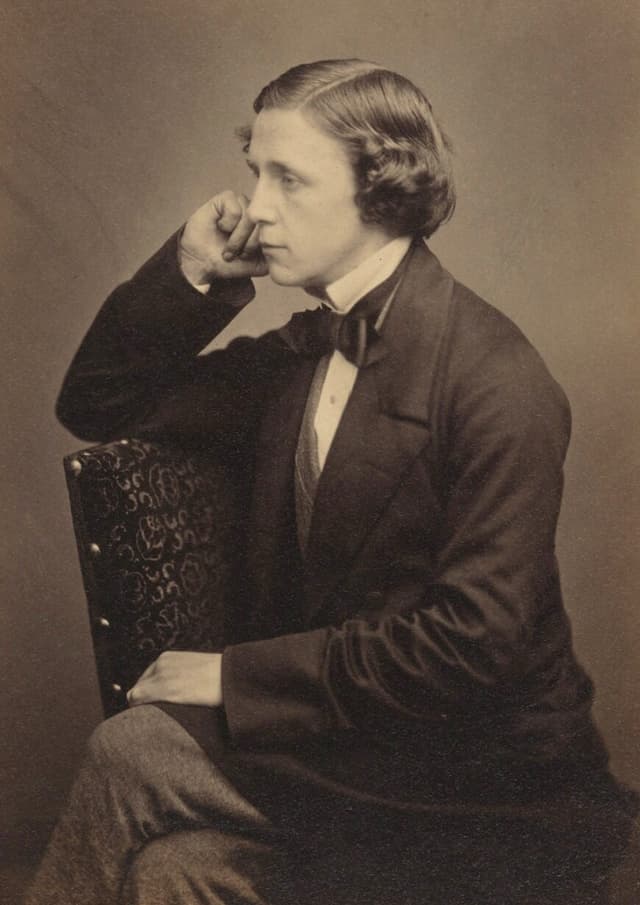
Lewis Carroll
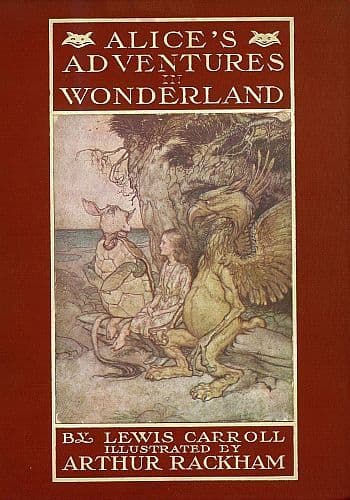
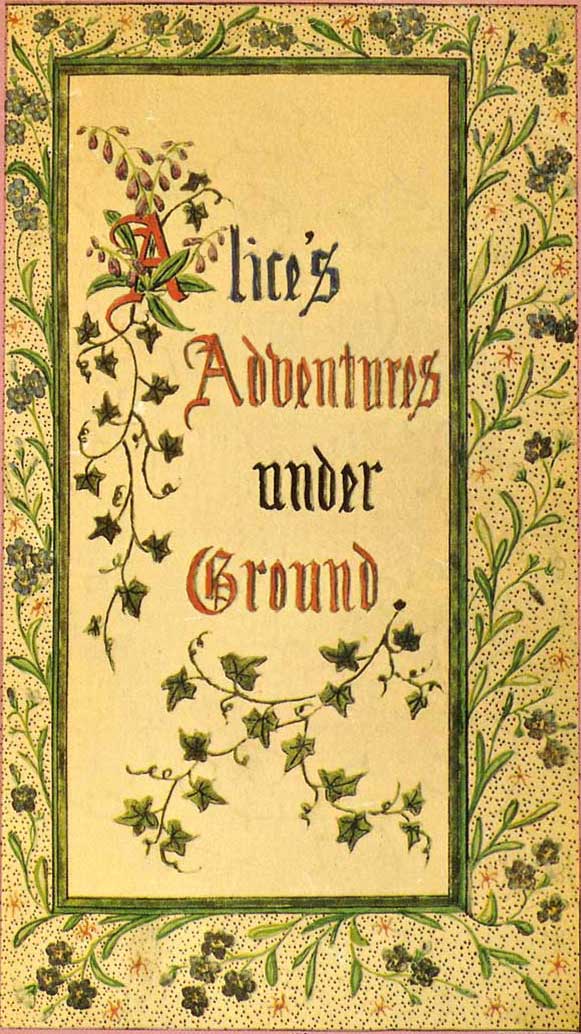
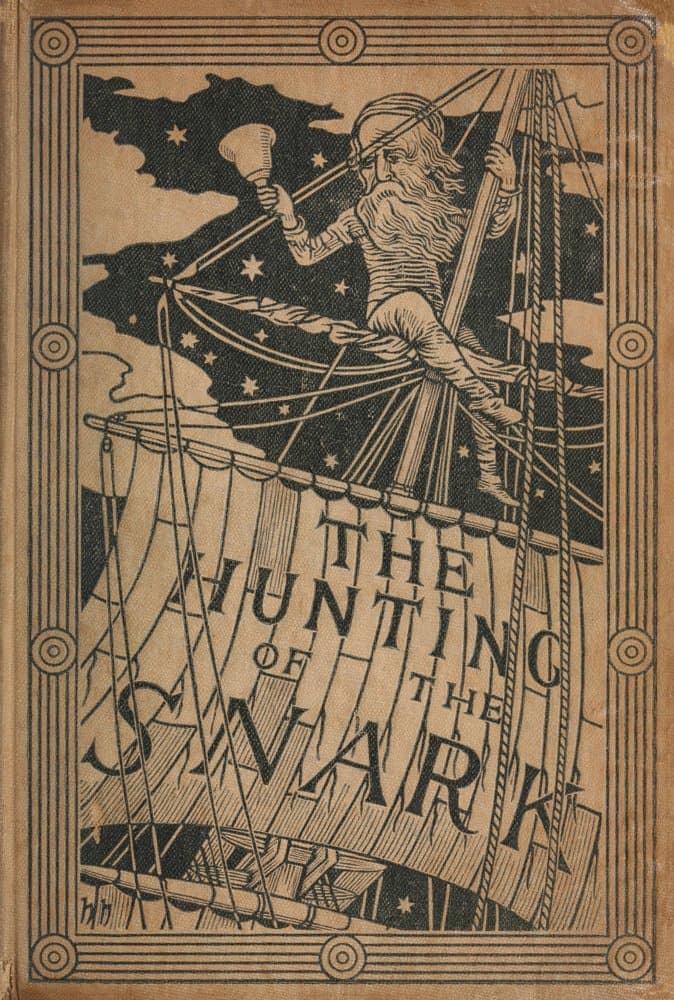
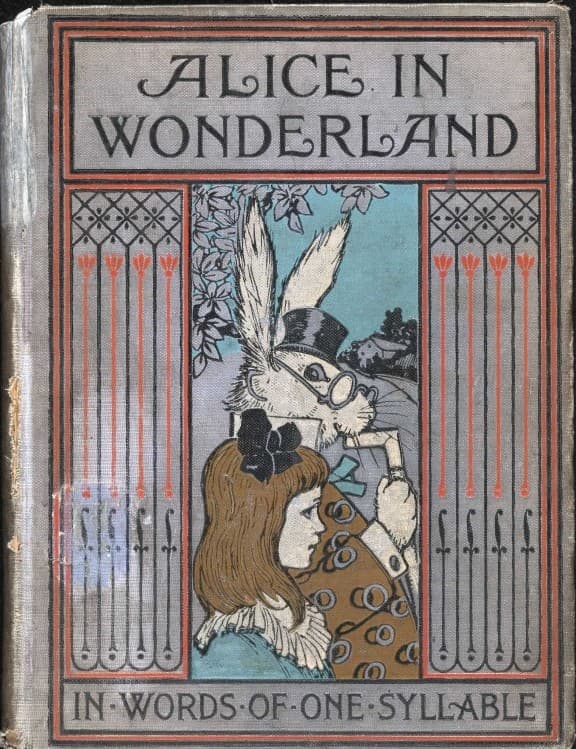
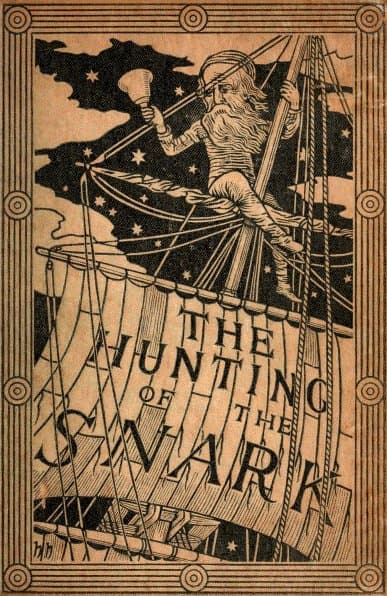
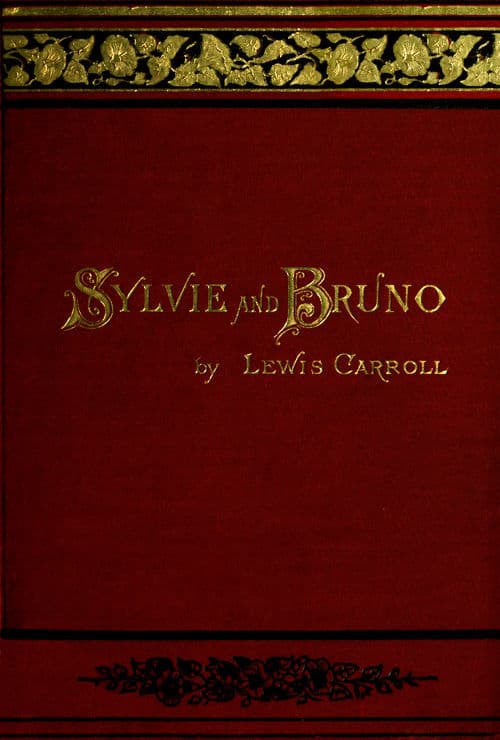
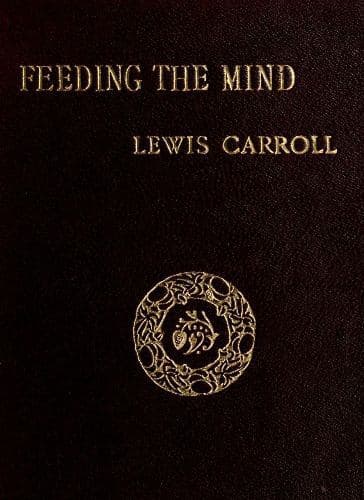
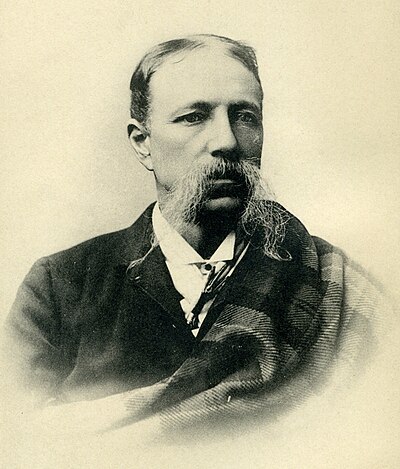
Lewis Carroll, the pen name of Charles Lutwidge Dodgson, was an influential English author, poet, and mathematician whose whimsical narratives and playful use of language left a lasting mark on Victorian literature. Best known for his seminal works, *Alice's Adventures in Wonderland* (1865) and its sequel *Through the Looking-Glass* (1871), Carroll crafted fantastical worlds that challenged conventional logic and delighted readers with their absurdity. His poems, such as *Jabberwocky* and *The Hunting of the Snark*, exemplify the genre of literary nonsense, showcasing his unique ability to blend wordplay with deeper philosophical themes, particularly those related to mathematics and logic, which he explored in his academic pursuits at Christ Church, Oxford. Carroll's life was marked by his dual identity as a scholar and a creative writer. He was a reluctant Anglican deacon, and his upbringing in a high-church Anglican family influenced his worldview. The character of Alice is often associated with Alice Liddell, the daughter of the Dean of Christ Church, although Carroll consistently denied this connection. His contributions to literature extend beyond his famous tales; he also invented the word ladder puzzle known as 'Doublets' and engaged in various forms of photography. Carroll's legacy endures through numerous societies dedicated to his work and a memorial stone at Poets' Corner in Westminster Abbey, celebrating his impact on literature and culture.
Famous Quotes
View all 19 quotes“It’s no use going back to yesterday, because I was a different person then.””
“But I don’t want to go among mad people," Alice remarked."Oh, you can’t help that," said the Cat: "we’re all mad here. I’m mad. You’re mad.""How do you know I’m mad?" said Alice."You must be," said the Cat, "or you wouldn’t have come here.””
“She generally gave herself very good advice, (though she very seldom followed it).””
Books from the author



Link to this page
Add a free, dofollow link to Lex on your blog, forum, syllabus, or reading list.

<a href="https://lex-books.com/author/lewis-carroll"><img src="https://lex-books.com/badges/read-on-lex.svg" alt="Lewis Carroll on Lex" width="160" height="40"></a>[](https://lex-books.com/author/lewis-carroll)[url=https://lex-books.com/author/lewis-carroll][img]https://lex-books.com/badges/read-on-lex.svg[/img][/url]Lewis Carroll on Lex: https://lex-books.com/author/lewis-carroll