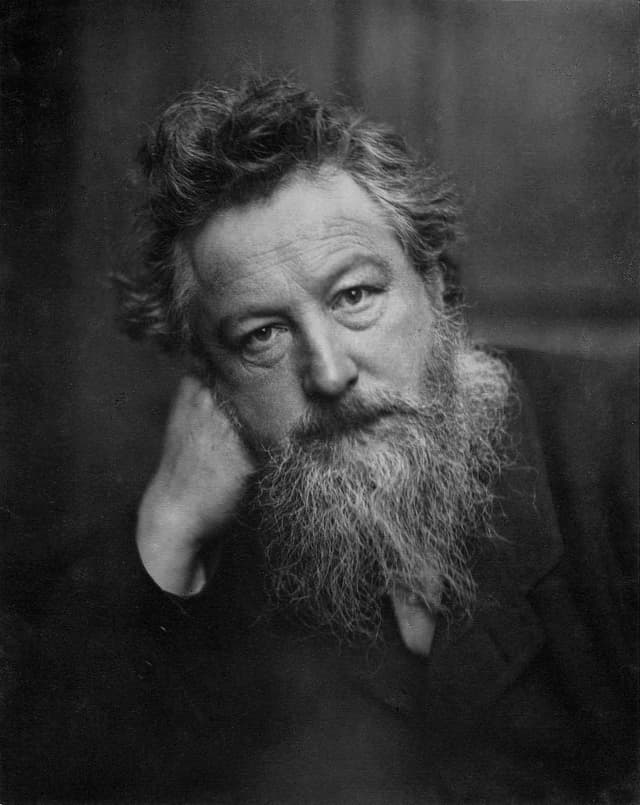
William Morris
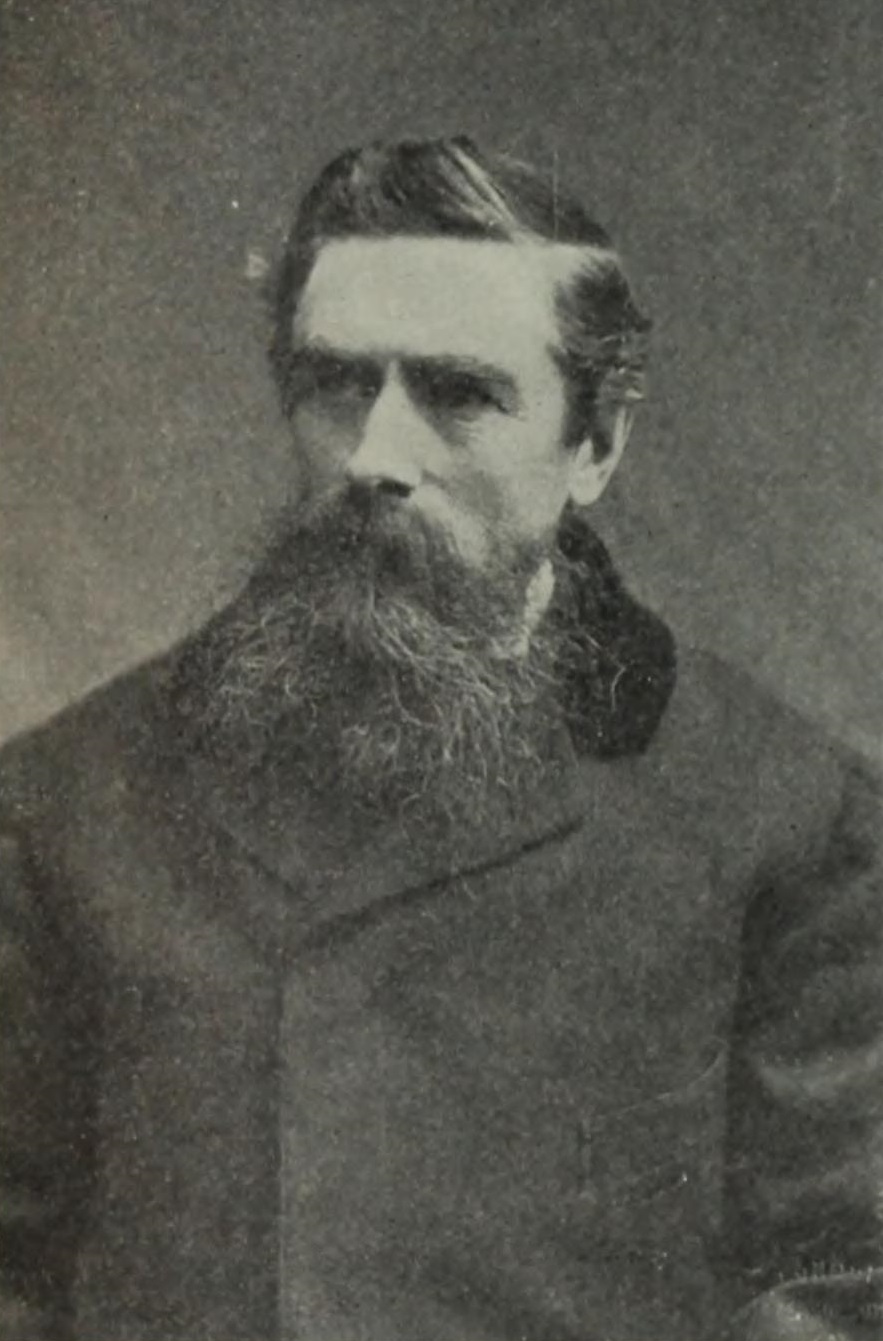
William Morris was an influential English textile designer, poet, artist, and socialist activist, recognized as a key figure in the British Arts and Crafts movement. Born into a wealthy family in Walthamstow, Essex, he was profoundly influenced by medievalism during his studies at Oxford University. There, he formed lasting friendships with notable figures such as Dante Gabriel Rossetti and Edward Burne-Jones. In 1861, Morris co-founded the decorative arts firm Morris, Marshall, Faulkner & Co., which became a cornerstone of Victorian interior design, known for its intricate tapestries, wallpapers, and furniture. His literary works, including the epic poems The Earthly Paradise and the utopian novel News from Nowhere, helped to shape the modern fantasy genre and reflected his deep commitment to social reform. Morris's passion for socialism emerged in response to the industrial capitalism of his time, leading him to establish the Socialist League and advocate for revolutionary change. His literary and artistic endeavors were intertwined with his political beliefs, as he sought to promote a vision of society that valued craftsmanship and communal living. In his later years, he founded the Kelmscott Press, dedicated to producing beautifully crafted books, further illustrating his belief in the importance of art in everyday life. Morris's legacy endures through his contributions to literature, design, and social thought, marking him as a pivotal figure in the intersection of art and activism in the late 19th century.
Famous Quotes
View all 17 quotes“Have nothing in your house that you do not know to be useful, or believe to be beautiful.””
“If you want a golden rule that will fit everything, this is it: Have nothing in your houses that you do not know to be useful or believe to be beautiful.””
“The true secret of happiness lies in the taking a genuine interest in all the details of daily life.””
Books from the author





Link to this page
Add a free, dofollow link to Lex on your blog, forum, syllabus, or reading list.

<a href="https://lex-books.com/author/william-morris"><img src="https://lex-books.com/badges/read-on-lex.svg" alt="William Morris on Lex" width="160" height="40"></a>[](https://lex-books.com/author/william-morris)[url=https://lex-books.com/author/william-morris][img]https://lex-books.com/badges/read-on-lex.svg[/img][/url]William Morris on Lex: https://lex-books.com/author/william-morris