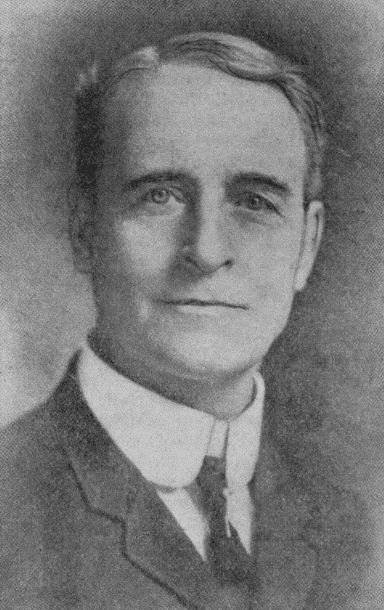
James L. Hughes
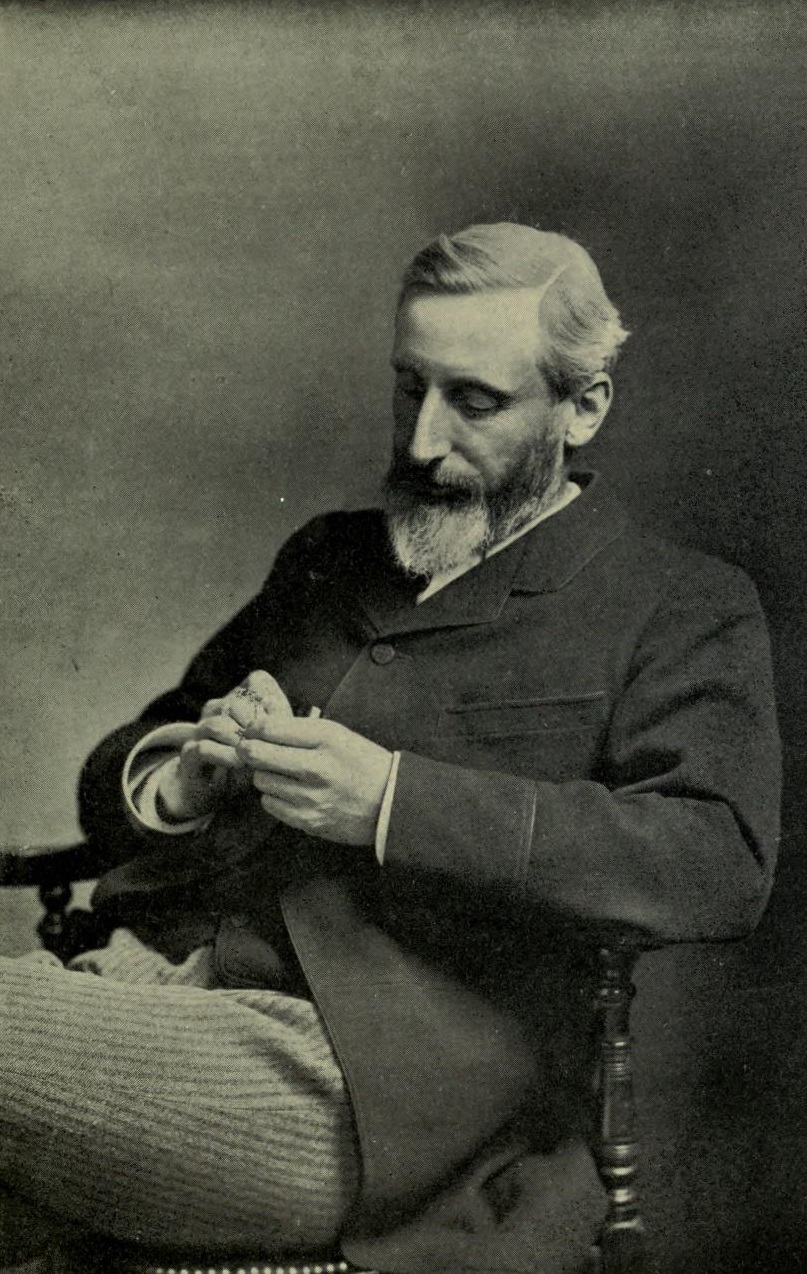
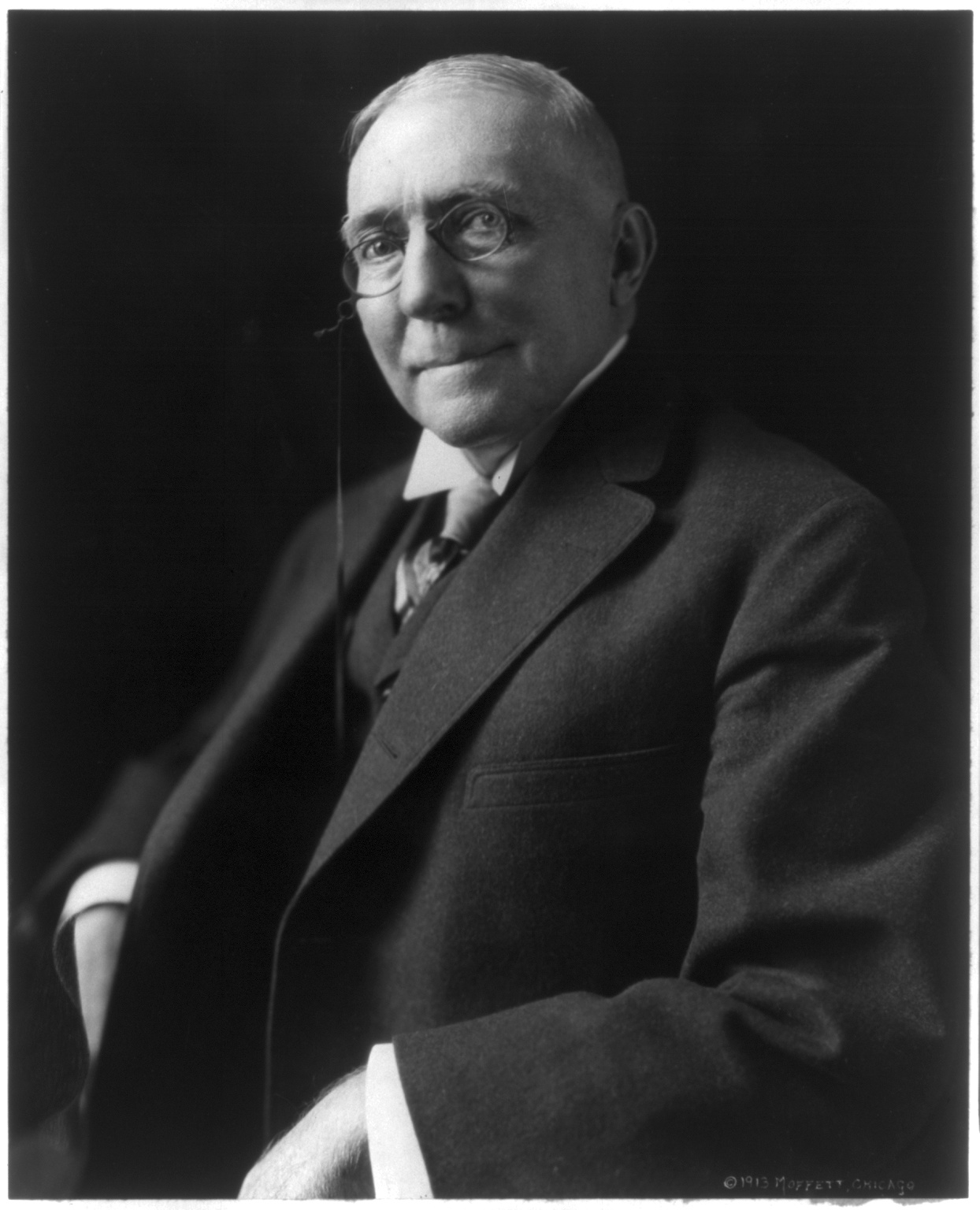
James L. Hughes was a notable figure in the realm of literary criticism and education during the late 19th and early 20th centuries. Born in 1846, he dedicated much of his career to exploring the educational philosophies of prominent authors, most notably Charles Dickens. In his work 'Dickens as an Educator,' Hughes examined how Dickens's narratives served not only as entertainment but also as moral and social instruction, emphasizing the transformative power of literature in shaping young minds and societal values. His insights contributed to a deeper understanding of Dickens's role in the educational landscape of his time. In addition to his analysis of Dickens, Hughes also authored 'The Real Robert Burns,' where he delved into the life and works of the Scottish poet Robert Burns. Through this work, Hughes sought to present a more nuanced view of Burns, highlighting the complexities of his character and the socio-political context of his poetry. Hughes's literary contributions reflect his commitment to education and his belief in the importance of literature as a tool for personal and societal growth. His works remain significant for their critical perspectives on these influential writers and their enduring impact on culture and education.
Famous Quotes
View all 1 quotes“Howard got sex-crazy in the winter and probably wanted to send him out on a poontang prowl: Schwab's Drugstore, the extra huts at Fox and Universal, Brownie snapshots of well-lunged girls naked from the waist up. His Majesty's yes or no, then standard gash contracts to the yes's--one-liners in RKO turkeys in exchange for room and board at Hughes Enterprises' fuck pads and frequent nighttime visits from The Man himself.””
Books from the author




Link to this page
Add a free, dofollow link to Lex on your blog, forum, syllabus, or reading list.

<a href="https://lex-books.com/author/james-l-hughes"><img src="https://lex-books.com/badges/read-on-lex.svg" alt="James L. Hughes on Lex" width="160" height="40"></a>[](https://lex-books.com/author/james-l-hughes)[url=https://lex-books.com/author/james-l-hughes][img]https://lex-books.com/badges/read-on-lex.svg[/img][/url]James L. Hughes on Lex: https://lex-books.com/author/james-l-hughes