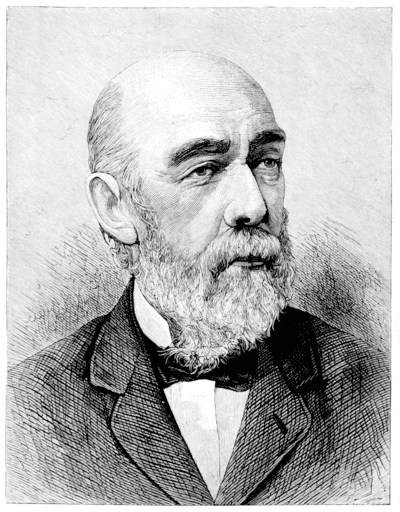
James Fergusson
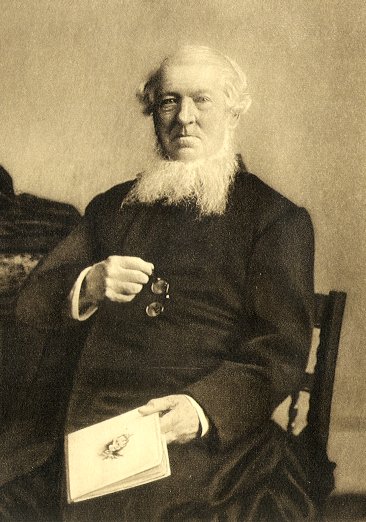
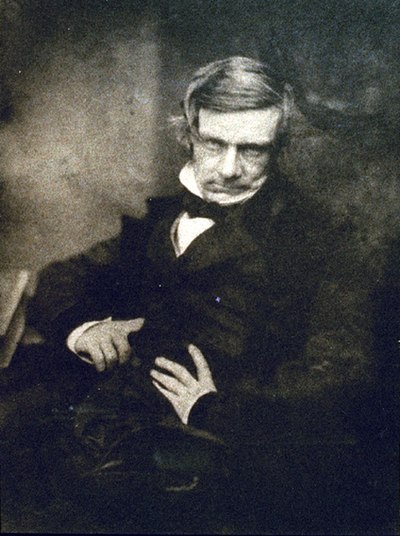
James Fergusson was a Scottish architect and architectural historian, renowned for his extensive studies of ancient architecture, particularly in India and the Middle East. He was a pioneering figure in the field of architectural archaeology, and his work laid the groundwork for future studies in these areas. Fergusson's notable works include "History of Indian and Eastern Architecture," published in 1865, which provided a comprehensive overview of the architectural styles of India, and "The Temples of the East," which further explored the significance of temple architecture in various cultures. His meticulous research and detailed illustrations made these texts invaluable resources for both scholars and practitioners in the field. Fergusson's contributions extended beyond mere documentation; he was instrumental in promoting an appreciation for non-Western architectural traditions during a time when European perspectives dominated the discourse. His advocacy for the importance of indigenous architectural forms challenged prevailing notions of superiority in Western design. Through his writings and lectures, Fergusson influenced a generation of architects and historians, encouraging them to look beyond the classical canon and consider the rich diversity of global architecture. His legacy endures in the continued study and appreciation of architectural history, particularly in relation to the cultures he so passionately documented.
Famous Quotes
View all 3 quotes“Tradition has it that the clan and name of Fergusson or Ferguson is among the very oldest of the Highland septs, and that in conformity with the name the race””
“that the first substantial settlement of the pure Scottish race in Scotland was led by a Fergus who was of royal blood, and whose house had for generations enjoyed regal dignity in Ireland, and was destined to produce, in St. Columba, the founder of the Celtic Church of Scotland.””
“The arrival on the Scottish shores of the real King Fergus”
Books from the author



Link to this page
Add a free, dofollow link to Lex on your blog, forum, syllabus, or reading list.

<a href="https://lex-books.com/author/james-fergusson"><img src="https://lex-books.com/badges/read-on-lex.svg" alt="James Fergusson on Lex" width="160" height="40"></a>[](https://lex-books.com/author/james-fergusson)[url=https://lex-books.com/author/james-fergusson][img]https://lex-books.com/badges/read-on-lex.svg[/img][/url]James Fergusson on Lex: https://lex-books.com/author/james-fergusson