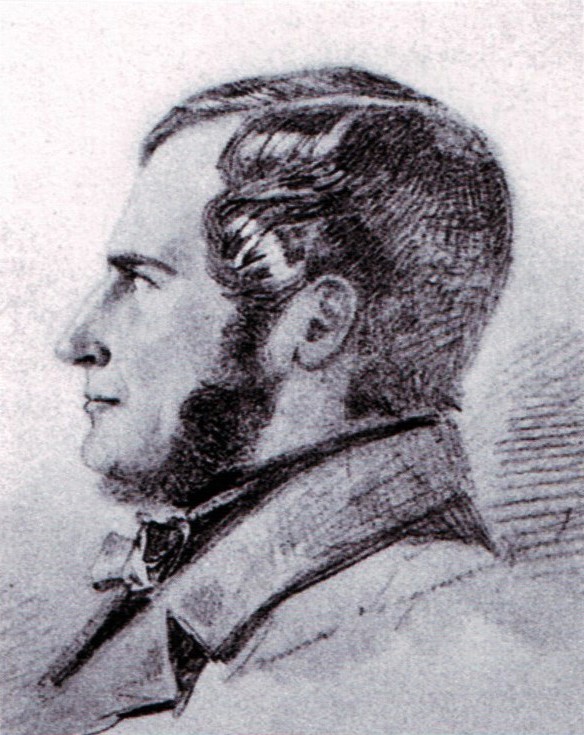
Max Duncker
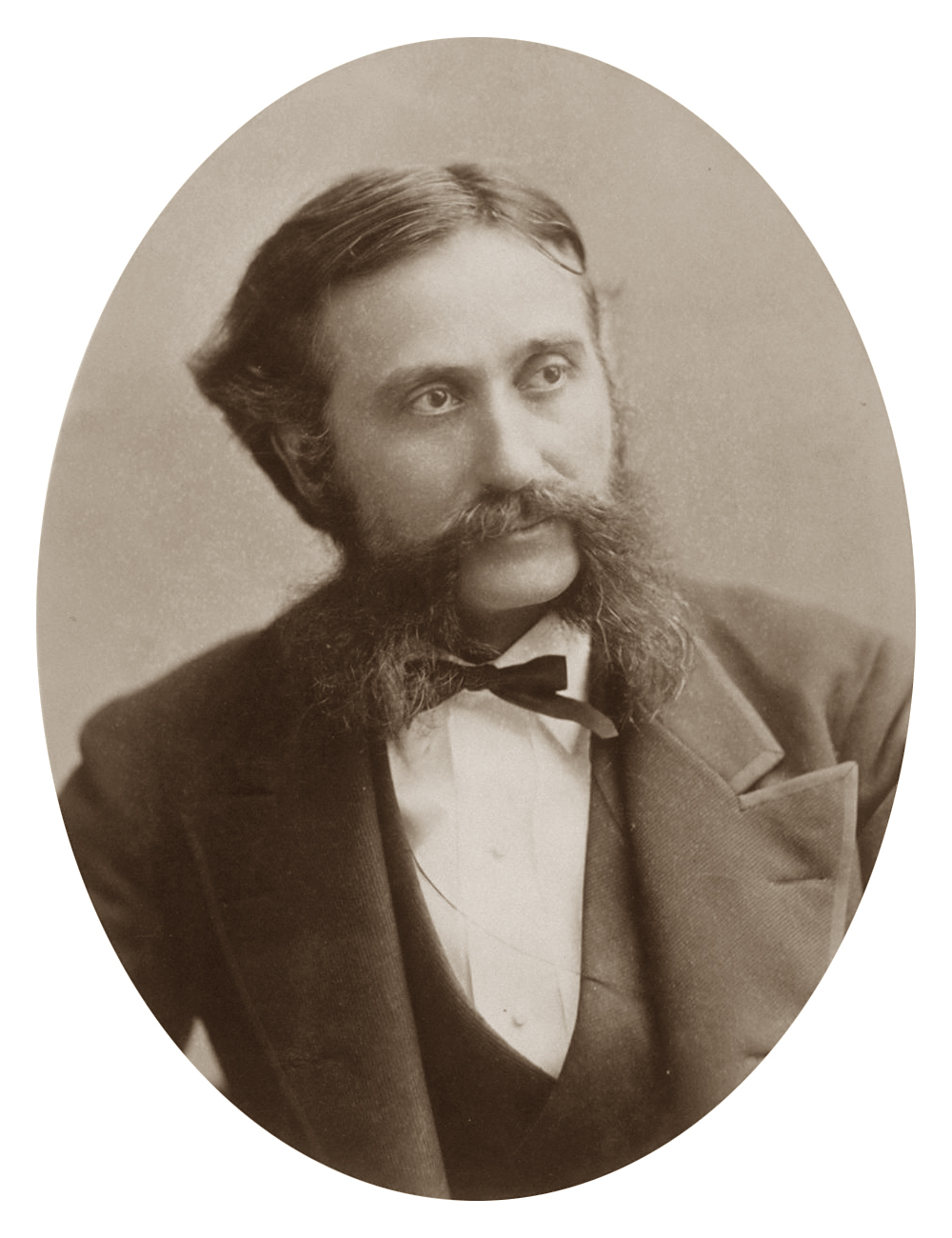
Maximilian Wolfgang Duncker was a prominent German historian and politician, recognized for his extensive contributions to the understanding of German history. Born in 1811, he pursued a career that intertwined academia and public service, reflecting the intellectual currents of his time. Duncker's most significant work, 'History of the German People,' offered a comprehensive narrative that spanned from the early Middle Ages to the modern era, emphasizing the cultural and political evolution of Germany. His scholarship was marked by a meticulous approach to historical sources, which set a standard for future historians. In addition to his historical writings, Duncker was active in politics, aligning himself with liberal movements in Germany during a time of significant social and political change. His dual role as a historian and politician allowed him to influence both public discourse and academic thought. Duncker's legacy endures through his rigorous historical methodology and his commitment to understanding the complexities of German identity, making him a key figure in the historiography of 19th-century Germany.
Famous Quotes
View all 2 quotes“Max fumbled for the prostitute’s genitals, alarmed at his own instant arousal, and without thinking, stepped into the shadowed doorway. A shiver of shock and pure, unambiguous desire flooded through his arse and legs as he clasped two swinging testicles and a hardening penis. The creature before him, both woman and man, looked up into his face, offering a challenging flash of gold, the lower lip pierced. Max’s hat slipped back and wedged between his head and the wall as he sucked the dark mouth and smooth cheeks. The prostitute flicked the un-smoked cigarette into the narrow channel of water, unbuttoned the client’s trousers with three swift tugs, then rubbed the engorged pink tip of his sex up to a groaning climax, as rapid as it was intense. Max’s mind clung to the last sane thought he had. I should walk on now.””
“This careful script, of which he had composed both speaking parts, floated away into the milky sky. For the Countess had been unexpectedly transformed into a malevolent harpy. He fiddled with the fingertips of his black gloves. Sophie grabbed his sleeve, utterly beside herself. The flood of love and trust poured out in the offending letter was clearly undergoing a rapid and dramatic revolution. Now she was screaming, both at Max and the absent Sibyl.””
Books from the author



Link to this page
Add a free, dofollow link to Lex on your blog, forum, syllabus, or reading list.

<a href="https://lex-books.com/author/max-duncker"><img src="https://lex-books.com/badges/read-on-lex.svg" alt="Max Duncker on Lex" width="160" height="40"></a>[](https://lex-books.com/author/max-duncker)[url=https://lex-books.com/author/max-duncker][img]https://lex-books.com/badges/read-on-lex.svg[/img][/url]Max Duncker on Lex: https://lex-books.com/author/max-duncker