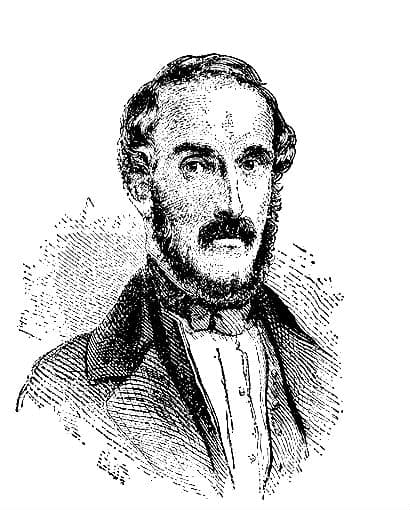
John L. Stephens
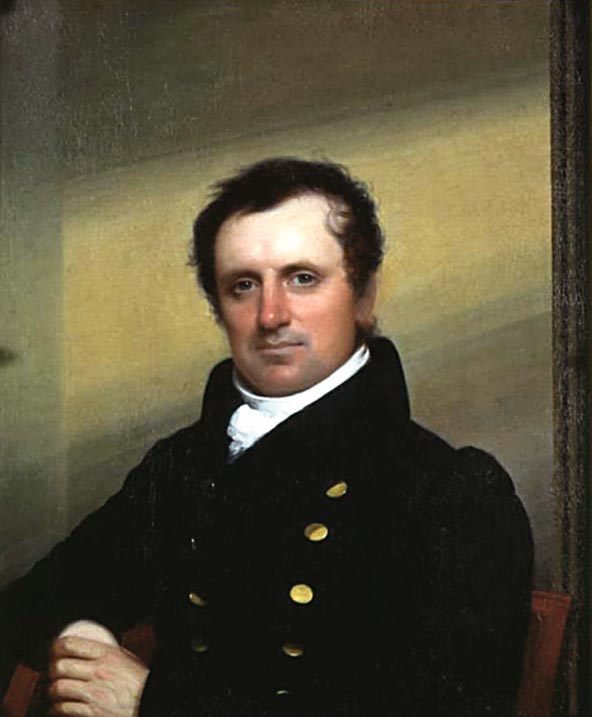
John L. Stephens was an American explorer, writer, and diplomat who played a crucial role in the rediscovery of the ancient Maya civilization in Central America. His expeditions in the 1830s, particularly his travels through modern-day Guatemala and Honduras, led to the documentation of significant archaeological sites such as Copán and Palenque. His detailed accounts, published in works like 'Incidents of Travel in Central America, Chiapas, and Yucatan,' not only captivated readers but also sparked a renewed interest in Maya culture and history, influencing both scholarly research and popular imagination about the region. In addition to his contributions to archaeology, Stephens was instrumental in the development of the Panama Canal Railway in the 1850s, a project that would later facilitate the construction of the Panama Canal itself. His dual legacy as an explorer and a diplomat highlights his impact on both the understanding of ancient civilizations and the advancement of infrastructure in the Americas. Through his writings and explorations, Stephens left an indelible mark on the fields of archaeology and transportation, paving the way for future generations to explore and appreciate the rich history of Central America.
Famous Quotes
View all 1 quotes“L'unico inferno e l'unico paradiso sono quelli che ci costruiamo noi.””
Books from the author




Link to this page
Add a free, dofollow link to Lex on your blog, forum, syllabus, or reading list.

<a href="https://lex-books.com/author/john-l-stephens"><img src="https://lex-books.com/badges/read-on-lex.svg" alt="John L. Stephens on Lex" width="160" height="40"></a>[](https://lex-books.com/author/john-l-stephens)[url=https://lex-books.com/author/john-l-stephens][img]https://lex-books.com/badges/read-on-lex.svg[/img][/url]John L. Stephens on Lex: https://lex-books.com/author/john-l-stephens