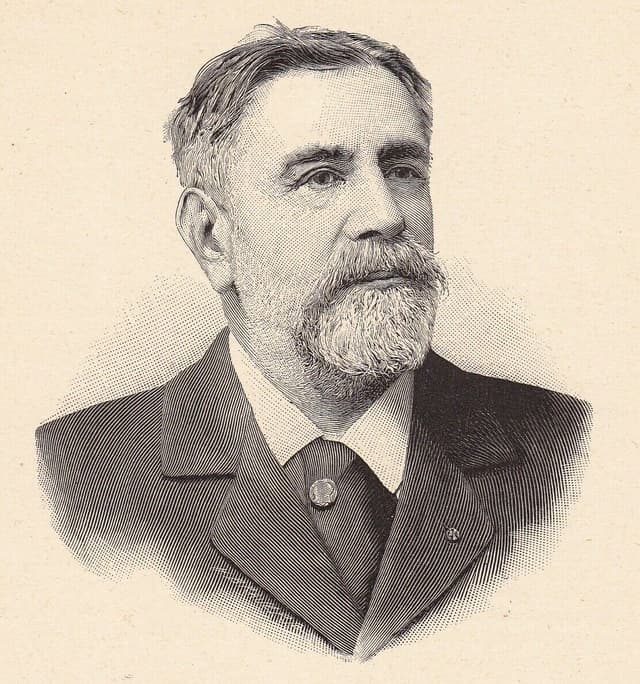
Georges Perrot
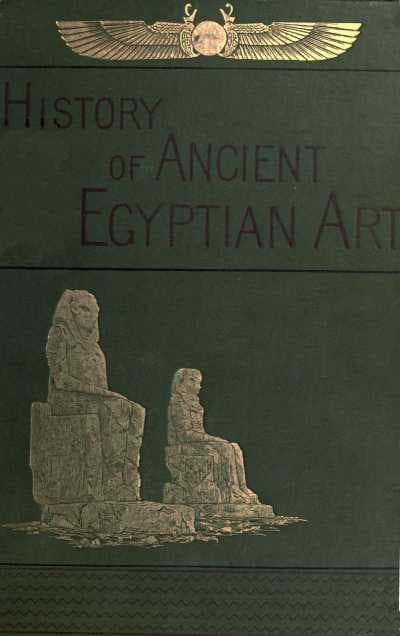
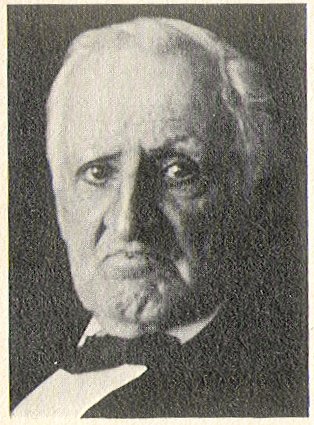
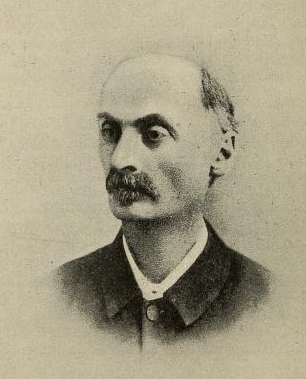
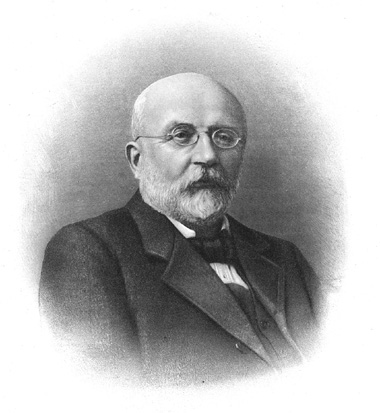
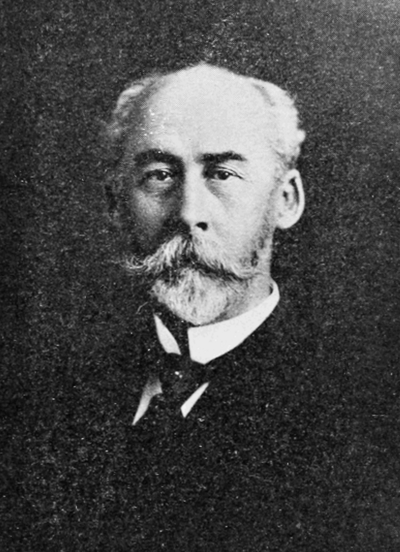
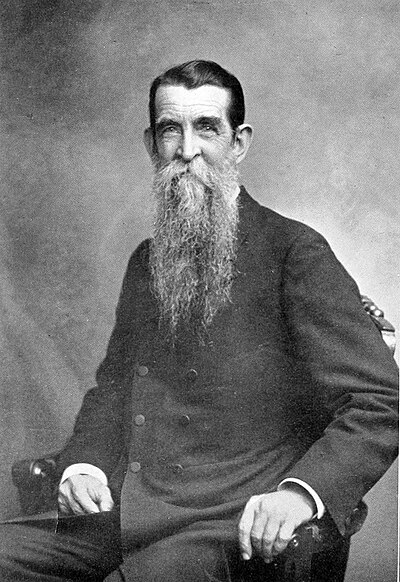
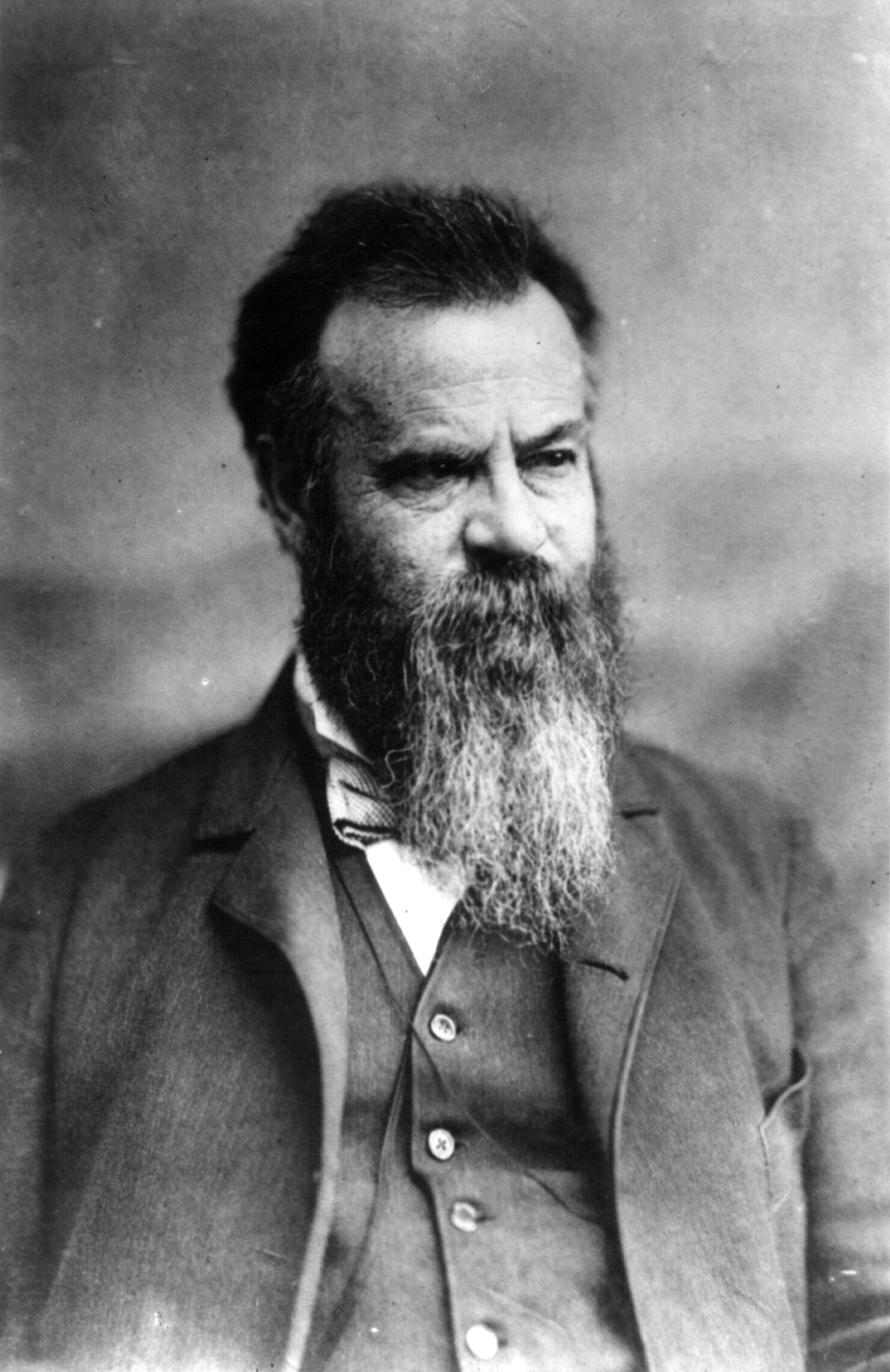
Georges Perrot was a prominent French archaeologist whose contributions significantly advanced the field of classical studies. Educated at the Sorbonne, he became a faculty member there in 1875 and later served as the director of the École Normale Supérieure from 1888 to 1902. His archaeological career was marked by notable discoveries, including the first fragment of the Gortyn code in 1857 and a Greek translation of 'The Political Testament of the Emperor Augustus' during an expedition to Asia Minor in 1861. These findings not only enriched the understanding of ancient texts but also highlighted the cultural exchanges of the time. Perrot's scholarly output included two detailed accounts of his expeditions to Asia Minor, published in 1862 and 1864, which provided insights into the archaeological practices of the era. He is perhaps best known for his monumental ten-volume work 'Histoire de l'art dans l'antiquité,' co-authored with Charles Chipiez, which explored the evolution of art in antiquity from a comprehensive perspective. His role as the permanent secretary of the Académie des Inscriptions et Belles-Lettres from 1904 until his death further solidified his influence in the academic community. Perrot's legacy lies in his pioneering contributions to archaeology and art history, which continue to inform contemporary scholarship in these fields.
Books from the author


Link to this page
Add a free, dofollow link to Lex on your blog, forum, syllabus, or reading list.

<a href="https://lex-books.com/author/georges-perrot"><img src="https://lex-books.com/badges/read-on-lex.svg" alt="Georges Perrot on Lex" width="160" height="40"></a>[](https://lex-books.com/author/georges-perrot)[url=https://lex-books.com/author/georges-perrot][img]https://lex-books.com/badges/read-on-lex.svg[/img][/url]Georges Perrot on Lex: https://lex-books.com/author/georges-perrot