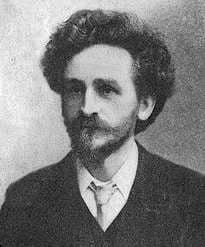
James Allen
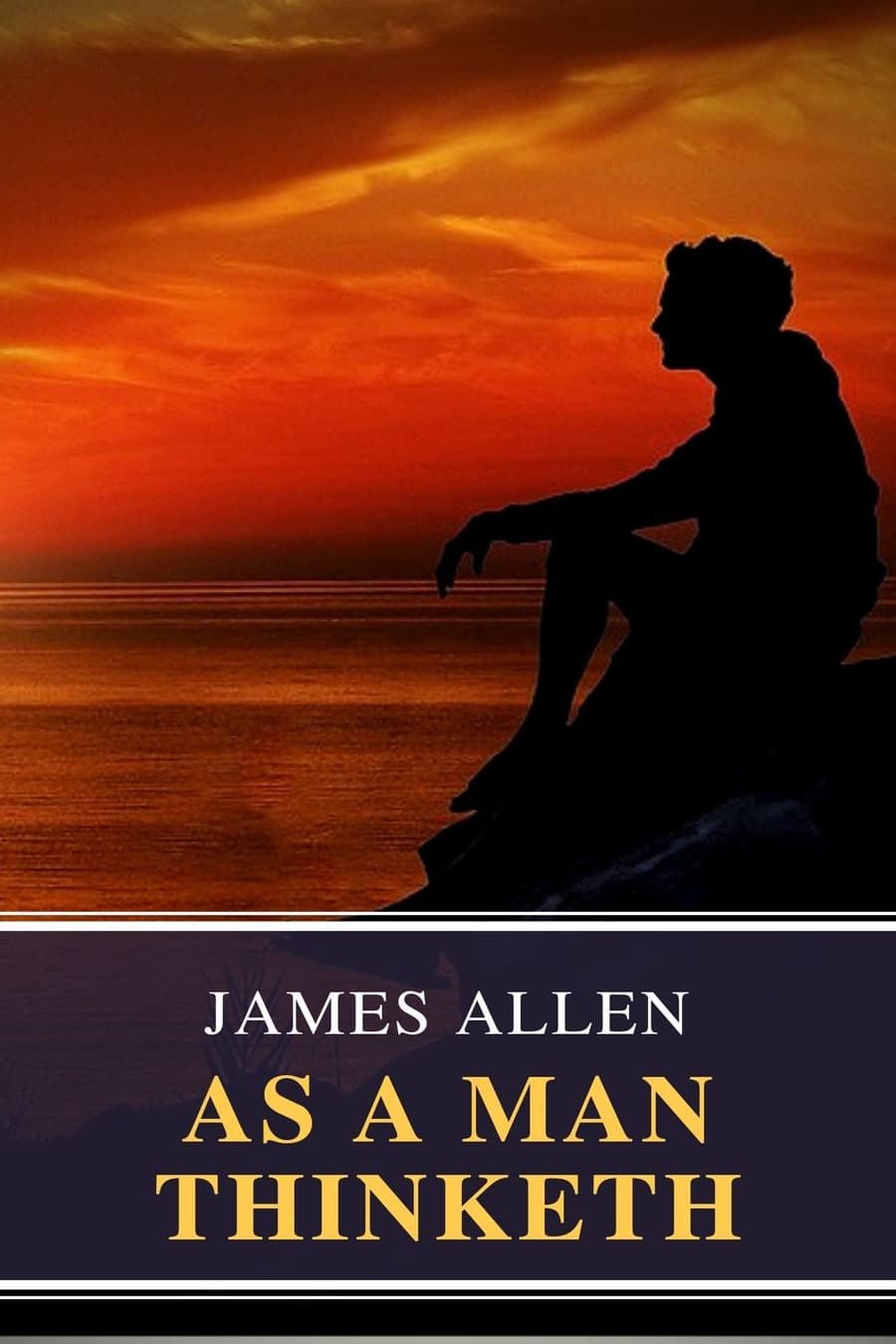
James Allen was a British philosophical writer who emerged as a significant figure in the self-help movement during the early 20th century. Born in 1864, he spent much of his life exploring themes of personal development and the power of thought. His most notable work, "As a Man Thinketh," published in 1903, is a profound essay that emphasizes the connection between one's thoughts and their life circumstances, advocating for the idea that individuals can shape their destinies through mental discipline and positive thinking. This work has inspired countless readers and has been credited with influencing the modern self-help genre. In addition to "As a Man Thinketh," Allen authored several other inspirational texts, including "The Path of Prosperity" and "Above Life's Turmoil," which further explore the principles of self-improvement and spiritual growth. His writings often reflect a blend of philosophy, spirituality, and practical advice, making them accessible to a wide audience. Allen's legacy endures through his contributions to motivational literature, and he is remembered as a pioneer who laid the groundwork for future self-help authors, encouraging individuals to take charge of their lives through the power of thought and action.
Famous Quotes
View all 3 quotes“A man's mind may be likened to a garden, which may be intelligently cultivated or allowed to run wild; but whether cultivated or neglected, it must, and will, bring forth. If no useful seeds are put into it, then an abundance of useless weed seeds will fall therein, and will continue to produce their kind.”
“Self-control is strength. Right thought is mastery. Calmness is power.”
“A strong man cannot help a weaker unless the weaker is willing to be helped, and even then the weak man must become strong of himself; he must, by his own efforts, develop the strength which he admires in another. None but himself can alter his condition.”
Books from the author



Link to this page
Add a free, dofollow link to Lex on your blog, forum, syllabus, or reading list.

<a href="https://lex-books.com/author/james-allen"><img src="https://lex-books.com/badges/read-on-lex.svg" alt="James Allen on Lex" width="160" height="40"></a>[](https://lex-books.com/author/james-allen)[url=https://lex-books.com/author/james-allen][img]https://lex-books.com/badges/read-on-lex.svg[/img][/url]James Allen on Lex: https://lex-books.com/author/james-allen