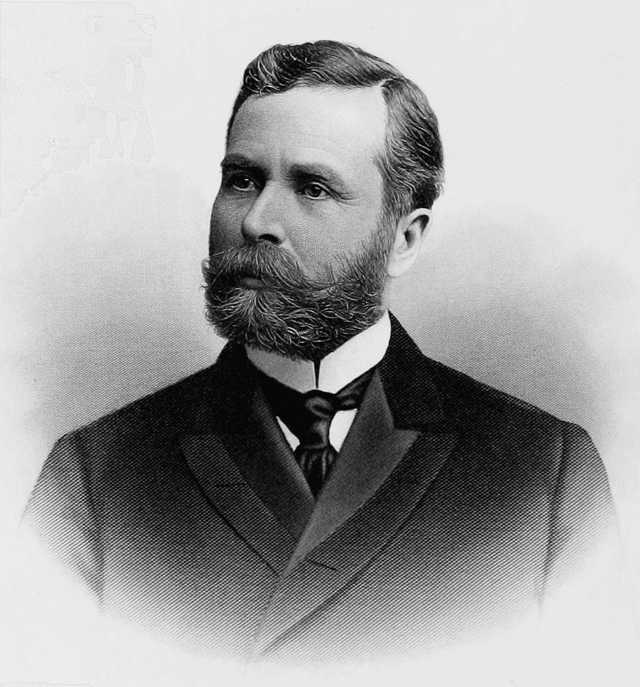
James A. Roberts
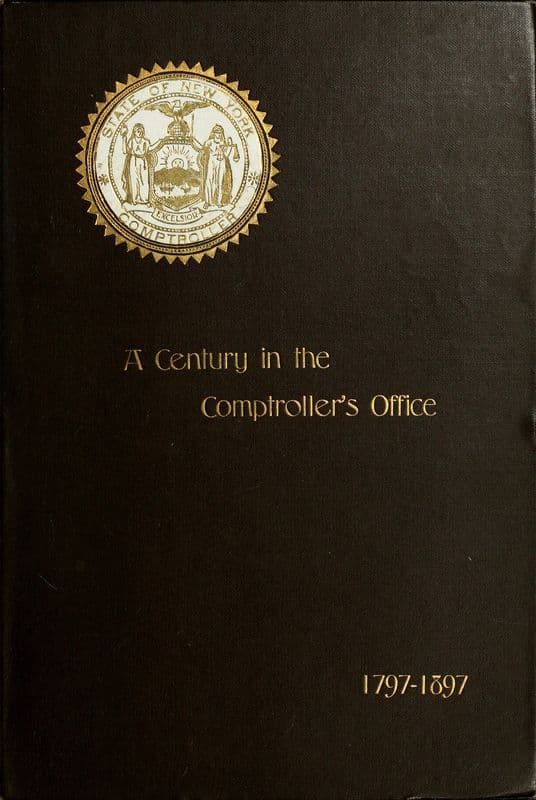
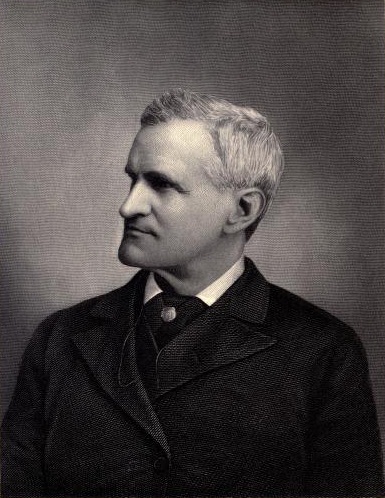
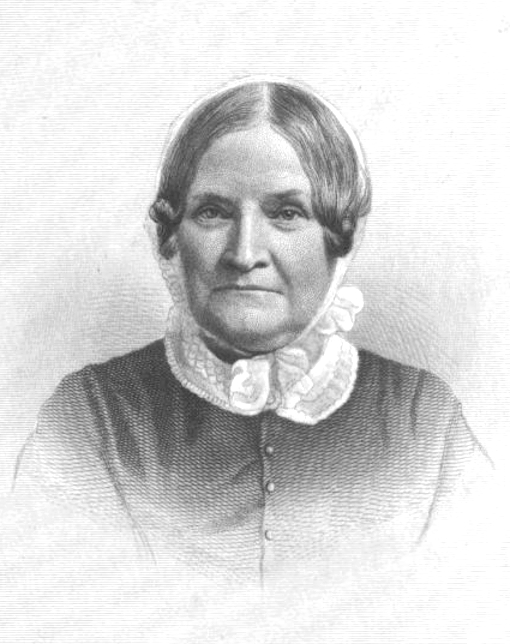
James A. Roberts was an American author and public servant, best known for his detailed historical account, "A Century in the Comptroller's Office, State of New York, 1797 to 1897." This work serves as a comprehensive chronicle of the operations and evolution of the Comptroller's Office in New York, reflecting the political and economic changes of the time. Through meticulous research and documentation, Roberts provided insights into the fiscal management of the state, highlighting the significance of the Comptroller's role in governance. Roberts's contributions extend beyond mere record-keeping; his writing captures the complexities of public administration during a transformative period in American history. His work is notable for its thoroughness and dedication to preserving the legacy of governmental institutions. By chronicling a century of fiscal history, Roberts not only informed contemporary readers but also laid the groundwork for future scholars interested in the evolution of state governance and public finance. His legacy endures through his commitment to historical accuracy and the importance of institutional memory in the public sector.
Famous Quotes
View all 9 quotes“Captain Copeland picked up the intercom mike and addressed the Roberts’s crew. That he was speaking for himself struck Ens. Jack Moore as unusual and urgent. Normally seaman Jack Roberts was the public address voice of his namesake warship. His southern drawl was all but unintelligible to anyone not acquainted with Dixie’s rhythms and diphthongs. But the skipper’s diction was as crisp as a litigator’s. He was talking fast and sounding more than a little nervous. “A large Japanese fleet has been contacted. They are fifteen miles away and headed in our direction. They are believed to have four battleships, eight cruisers, and a number of destroyers. “This will be a fight against overwhelming odds from which survival cannot be expected. We will do what damage we can.””
“...a case of what I call the high probability of the improbable.””
“Pattern recognition is so basic that the brain's pattern detection modules and its reward circuitry became inextricably linked. Whenever we successfully detect a pattern-or think we detect a pattern-the neurotransmitters responsible for sensations of pleasure squirt through our brains. If a pattern has repeated often enough and successfully enough in the past, the neurotransmitter release occurs in response to the mere presence of suggestive cues, long before the expected outcome of that pattern actually occurs. Like the study participants who reported seeing regular sequences in random stimuli, we will use alomst any pretext to get our pattern recognition kicks.Pattern recognition is the most primitive form of analogical reasoning, part of the neural circuitry for metaphor. Monkeys, rodents, and birds recognize patterns, too. What distinguishes humans from other species, though, is that we have elevated pattern recognition to an art. "To understand," the philosopher Isaiah Berlin observed, "is to perceive patterns."Metaphor, however, is not the mere detection of patterns; it is the creation of patterns, too. When Robert Frost wrote,"A bank is a place where they lend you an umbrella in fair weather and ask for it back when it begins to rain"his brain created a pattern connecting umbrellas to banks, a pattern retraced every time someone else reads this sentence. Frost believed passionately that an understanding of metaphor was essential not just to survival in university literature courses but also to survival in daily life.””
Books from the author




Link to this page
Add a free, dofollow link to Lex on your blog, forum, syllabus, or reading list.

<a href="https://lex-books.com/author/james-a-roberts"><img src="https://lex-books.com/badges/read-on-lex.svg" alt="James A. Roberts on Lex" width="160" height="40"></a>[](https://lex-books.com/author/james-a-roberts)[url=https://lex-books.com/author/james-a-roberts][img]https://lex-books.com/badges/read-on-lex.svg[/img][/url]James A. Roberts on Lex: https://lex-books.com/author/james-a-roberts