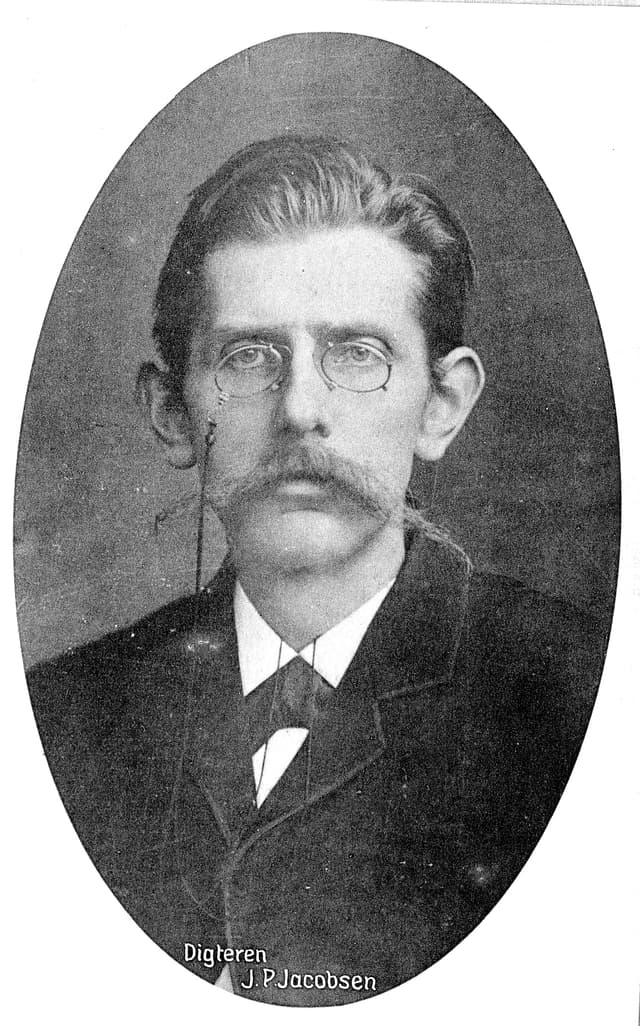
J. P. Jacobsen
J. P. Jacobsen was a Danish novelist and poet, recognized for his profound influence on modern literature and his role in the development of the Danish literary scene in the late 19th century. Born in 1847, Jacobsen's early life was marked by a deep engagement with nature and a fascination with the human condition, themes that would permeate his works. He studied at the University of Copenhagen, where he was exposed to the ideas of contemporary philosophers and writers, which shaped his literary voice. Jacobsen's writing often explored existential themes, focusing on the complexities of love, life, and the human psyche. His most notable works include the novels "Niels Lyhne" and "Marie Grubbe," both of which showcase his lyrical prose and psychological depth. "Niels Lyhne," in particular, is considered a precursor to modernist literature, as it delves into the struggles of an artist grappling with the meaning of existence. Jacobsen's exploration of individuality and the inner workings of his characters' minds paved the way for future literary movements, influencing writers such as Thomas Mann and Rainer Maria Rilke. Despite his relatively short life, Jacobsen's contributions to literature have left a lasting legacy, cementing his place as a key figure in Danish literary history.
Famous Quotes
View all 3 quotes“When I sit here and mope and don’t do anything and can’t do anything, then I actually feel the time slipping away from me. Hours and weeks and months rush past with nothing in them, and I can’t nail them to the spot with a piece of work.””
“Just so! I can take joy in every leaf, every twig, every beam of light, every shadow. There isn’t a hill so barren, nor a turf-pit so square, nor a road so monotonous, that I cannot for a moment fall in love with it.””
“But what joy can you take in a tree or a bush, if you don’t imagine that a living being dwells within it, that opens and closes the flowers and smooths the leaves? When you see a lake, a deep, clear lake, don’t you love it for this reason, that you imagine creatures living deep, deep down below, that have their own joys and sorrows, that have their own strange life with strange yearnings?””
Books from the author

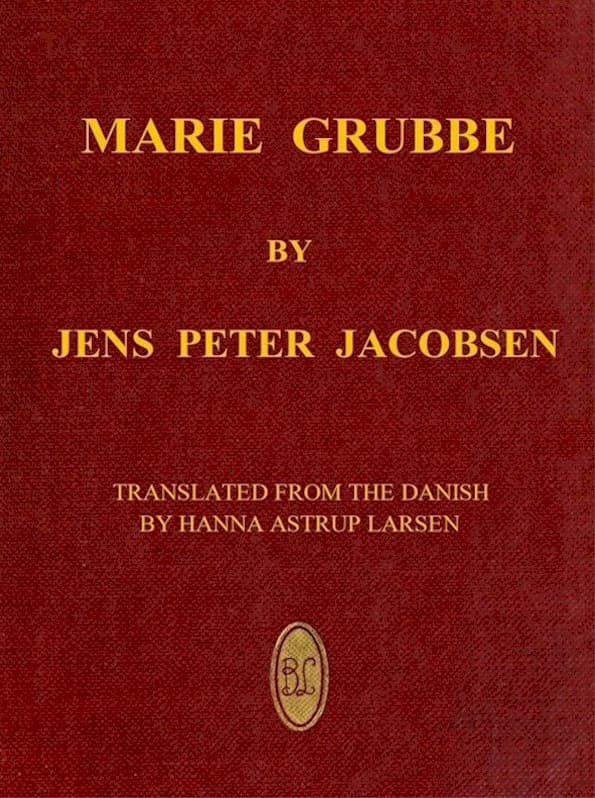
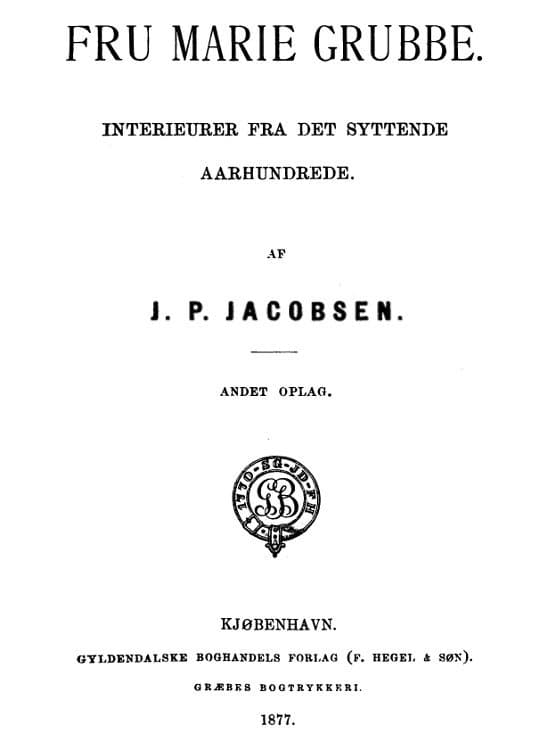

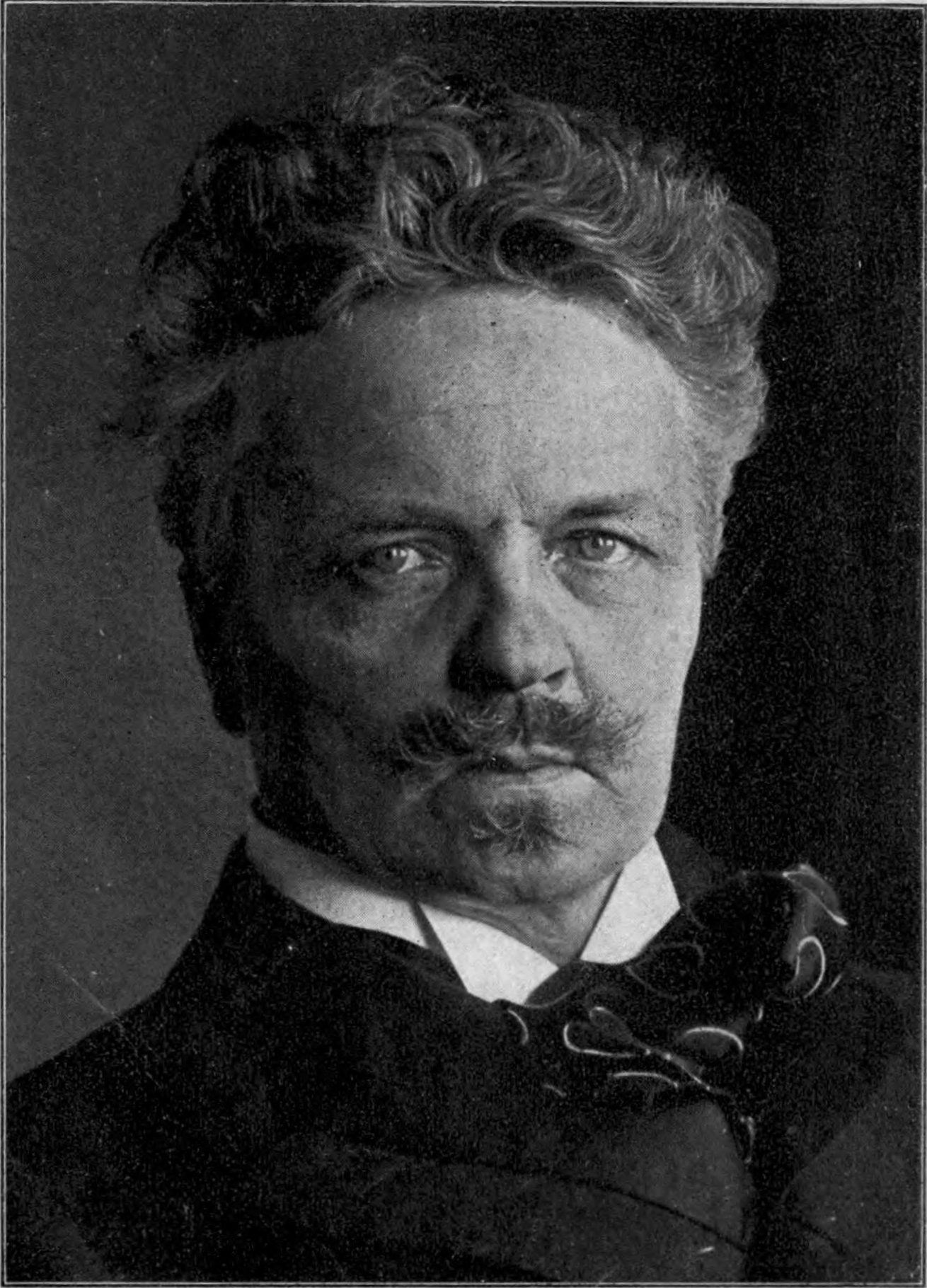
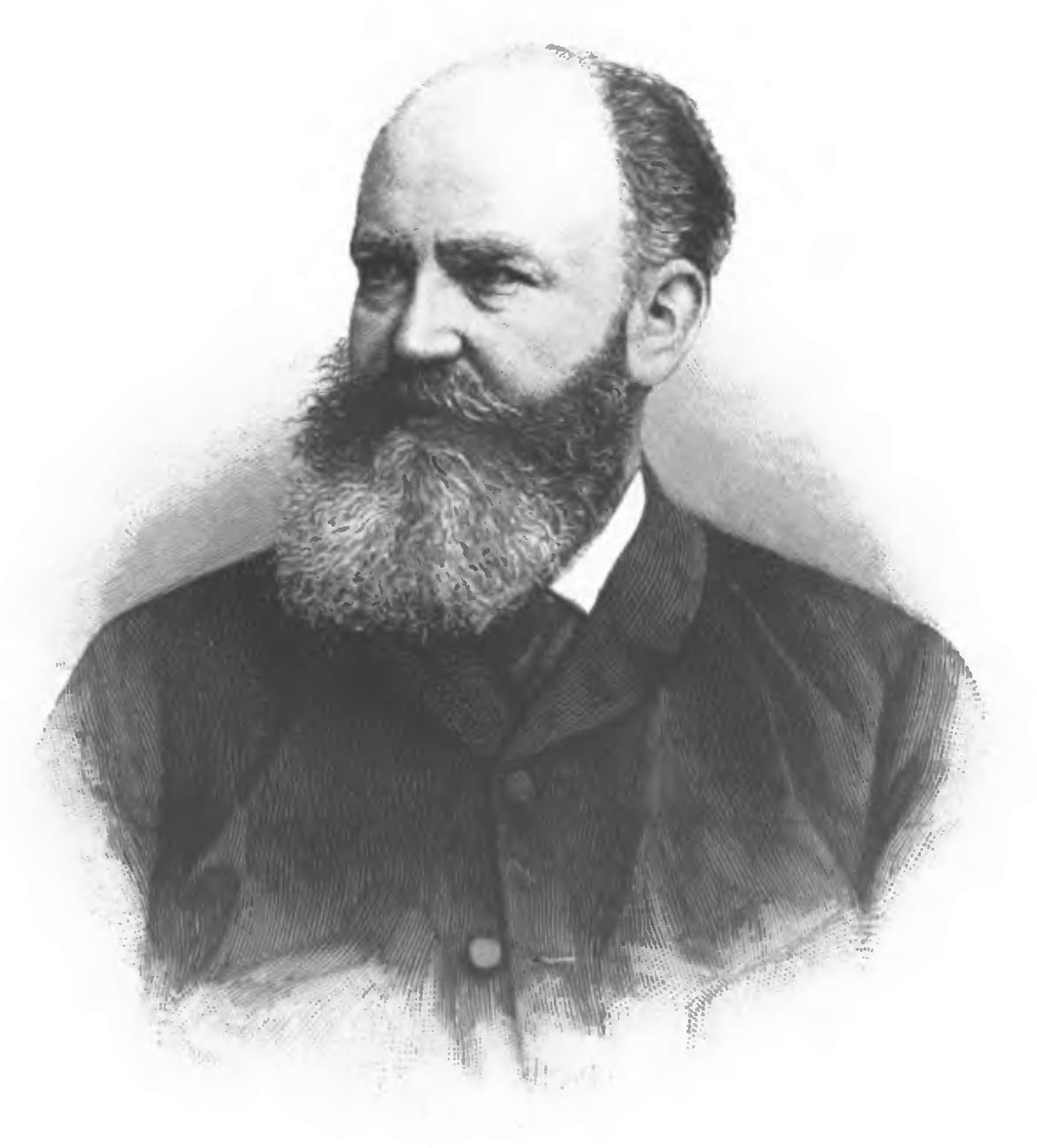
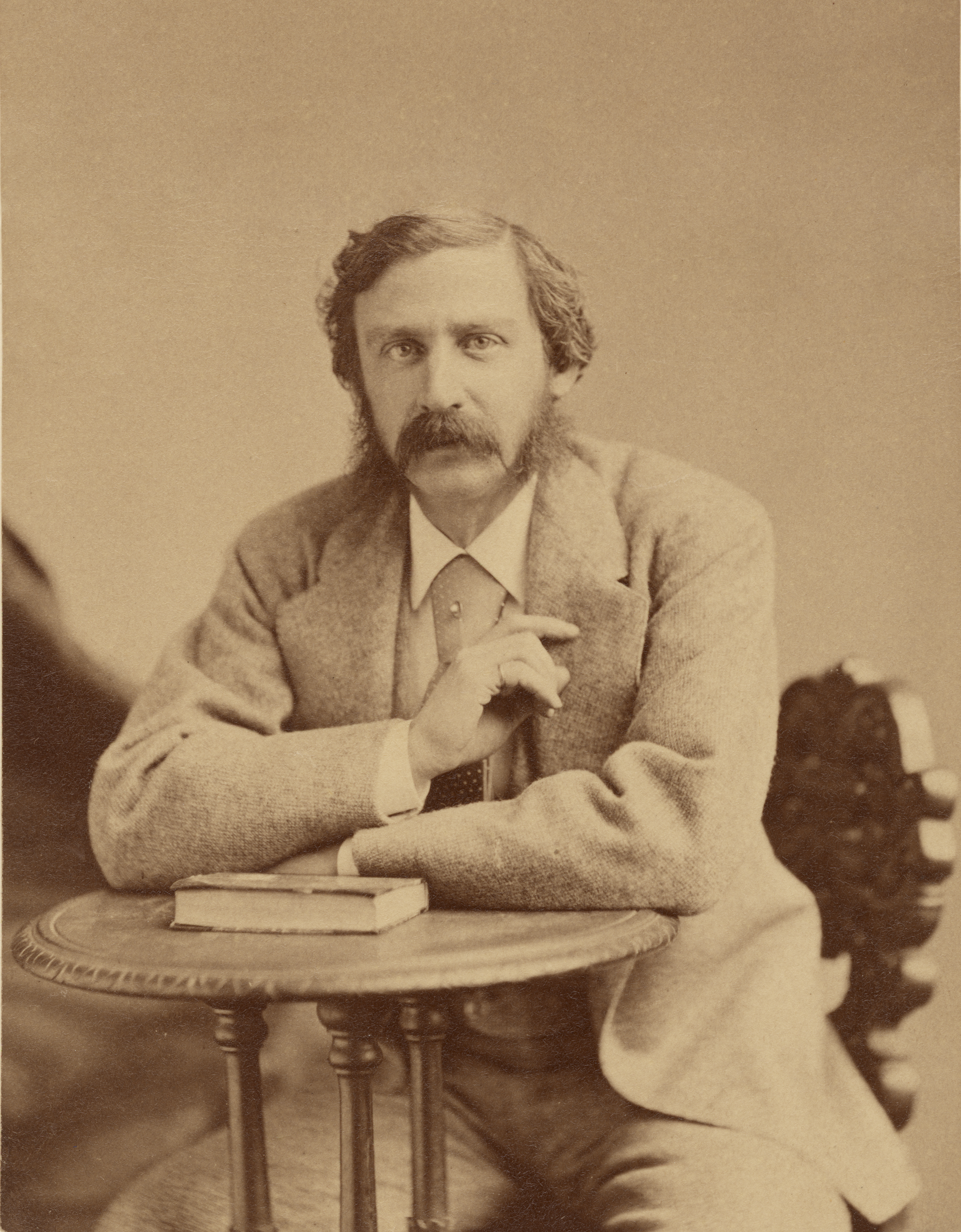
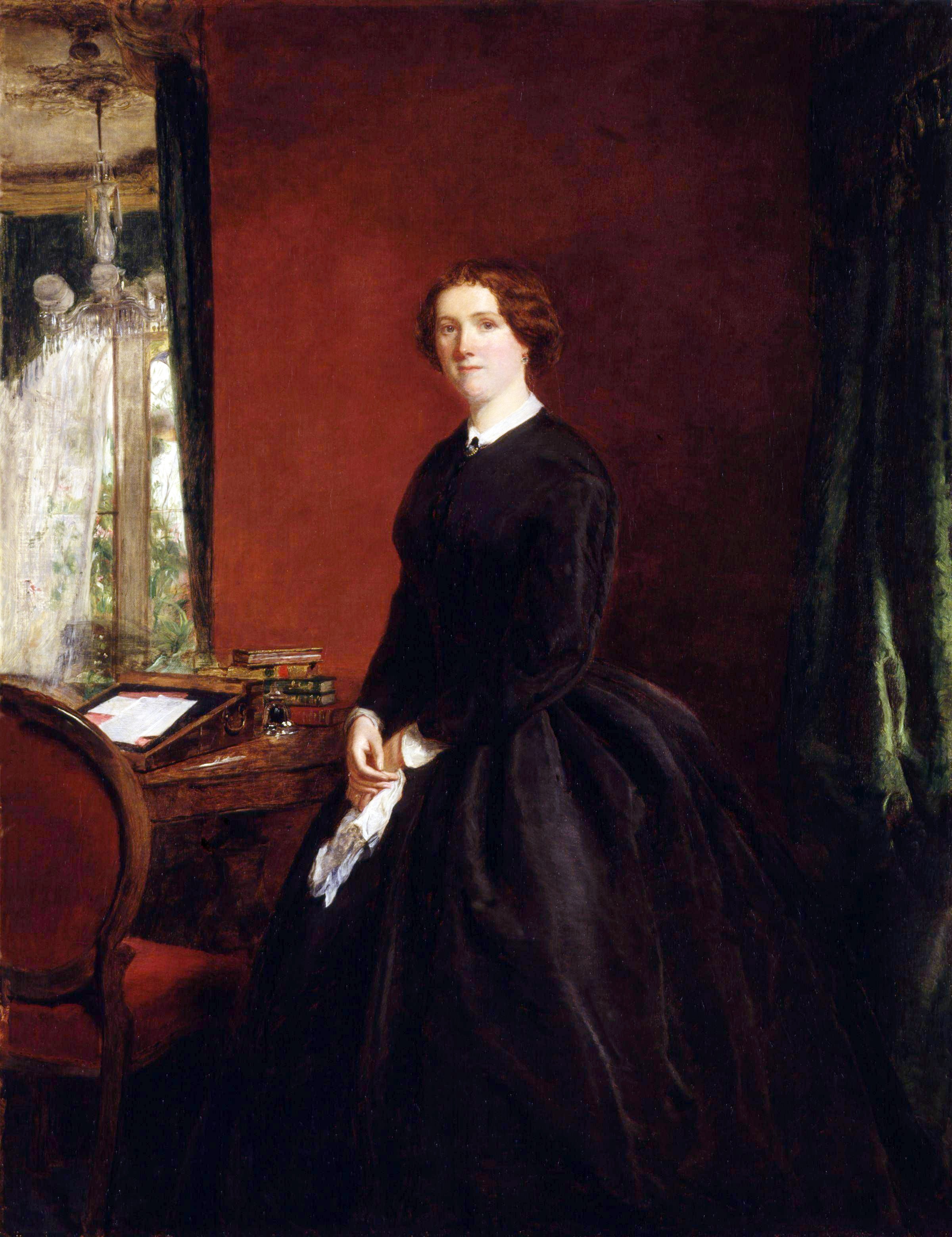


Link to this page
Add a free, dofollow link to Lex on your blog, forum, syllabus, or reading list.

<a href="https://lex-books.com/author/j-p-jacobsen"><img src="https://lex-books.com/badges/read-on-lex.svg" alt="J. P. Jacobsen on Lex" width="160" height="40"></a>[](https://lex-books.com/author/j-p-jacobsen)[url=https://lex-books.com/author/j-p-jacobsen][img]https://lex-books.com/badges/read-on-lex.svg[/img][/url]J. P. Jacobsen on Lex: https://lex-books.com/author/j-p-jacobsen