Mogens, and Other Stories
Mogens, and Other Stories introduces English readers to J.P. Jacobsen, the Danish novelist and poet who essentially invented literary naturalism in Denmark. The title story follows young Mogens through a single summer in the Danish countryside, tracing his awakenings to desire, longing, and the passage of time. Jacobsen was a trained botanist, and his prose possesses a scientist's precision married to a poet's sensitivity: every blade of grass, every shift in light, becomes an index of feeling. These are not plot-driven narratives. They are delicate psychological studies rendered through sensory immersion, where a rainstorm becomes an occasion for joy, a glance across a room carries the weight of unspoken desire, and the slow turn of seasons maps the interior landscape of grief and belonging. The stories drift rather than accelerate, accumulating meaning through accumulation of detail. For readers who find Chekhov's quiet devastations essential, or who cherish the precise melancholy of Nordic art, Jacobsen offers something rare: fiction that refuses to hurry, that trusts the reader to dwell in the spaces between moments.
Editions
X-Ray
“...he looked so strange and absentminded; quite obviously he had just been reading a book, one could tell that from the expression in his eyes, from his hair, from the abstracted way in which he managed his hands.””
— J. P. Jacobsen
“Of what are you thinking now?" she asked."I am thinking of myself.""That's just what I am doing.""Are you also thinking of yourself?""No, of yourself”
— J. P. Jacobsen
“There was no style in nature.””
— J. P. Jacobsen
“But what joy can you take in a tree or a bush, if you don’t imagine that a living being dwells within it, that opens and closes the flowers and smooths the leaves? When you see a lake, a deep, clear lake, don’t you love it for this reason, that you imagine creatures living deep, deep down below, that have their own joys and sorrows, that have their own strange life with strange yearnings?””
— J. P. Jacobsen
“Just so! I can take joy in every leaf, every twig, every beam of light, every shadow. There isn’t a hill so barren, nor a turf-pit so square, nor a road so monotonous, that I cannot for a moment fall in love with it.””
— J. P. Jacobsen
“Finally Thora went to her room, but Mogens remained sitting in the conservatory, miserable that she had gone. He drew black imaginings for himself, that she was dead and gone, and that he was sitting here all alone in the world and weeping over her, and then he really wept. At length he became angry at himself and stalked up and down the floor, and wanted to be sensible. There was a love, pure and noble, without any coarse, earthly passion; yes, there was, and if there was not, there was going to be one. Passion spoiled everything, and it was very ugly and unhuman. How he hated everything in human nature that was not tender and pure, fine and gentle! He had been subjugated, weighed down, tormented, by this ugly and powerful force; it had lain in his eyes and ears, it had poisoned all his thoughts.””
— J. P. Jacobsen
Link to this book
Add a free, dofollow link to Lex on your blog, forum, syllabus, or reading list.

<a href="https://lex-books.com/book/mogens-and-other-stories-1b091567-cebc-48f6-8bef-1a5e6a7db611"><img src="https://lex-books.com/badges/read-on-lex.svg" alt="Read Mogens, and Other Stories by J. P. Jacobsen free on Lex" width="160" height="40"></a>[](https://lex-books.com/book/mogens-and-other-stories-1b091567-cebc-48f6-8bef-1a5e6a7db611)[url=https://lex-books.com/book/mogens-and-other-stories-1b091567-cebc-48f6-8bef-1a5e6a7db611][img]https://lex-books.com/badges/read-on-lex.svg[/img][/url]Read Mogens, and Other Stories by J. P. Jacobsen free on Lex: https://lex-books.com/book/mogens-and-other-stories-1b091567-cebc-48f6-8bef-1a5e6a7db611Cite this book
Reading this edition for a paper or guide? Copy a citation.
Jacobsen, J. P.. Mogens, and Other Stories. Lex, lex-books.com/book/mogens-and-other-stories-1b091567-cebc-48f6-8bef-1a5e6a7db611.Jacobsen, J. P. (n.d.). Mogens, and Other Stories. Lex. https://lex-books.com/book/mogens-and-other-stories-1b091567-cebc-48f6-8bef-1a5e6a7db611Jacobsen, J. P.. Mogens, and Other Stories. Lex. https://lex-books.com/book/mogens-and-other-stories-1b091567-cebc-48f6-8bef-1a5e6a7db611.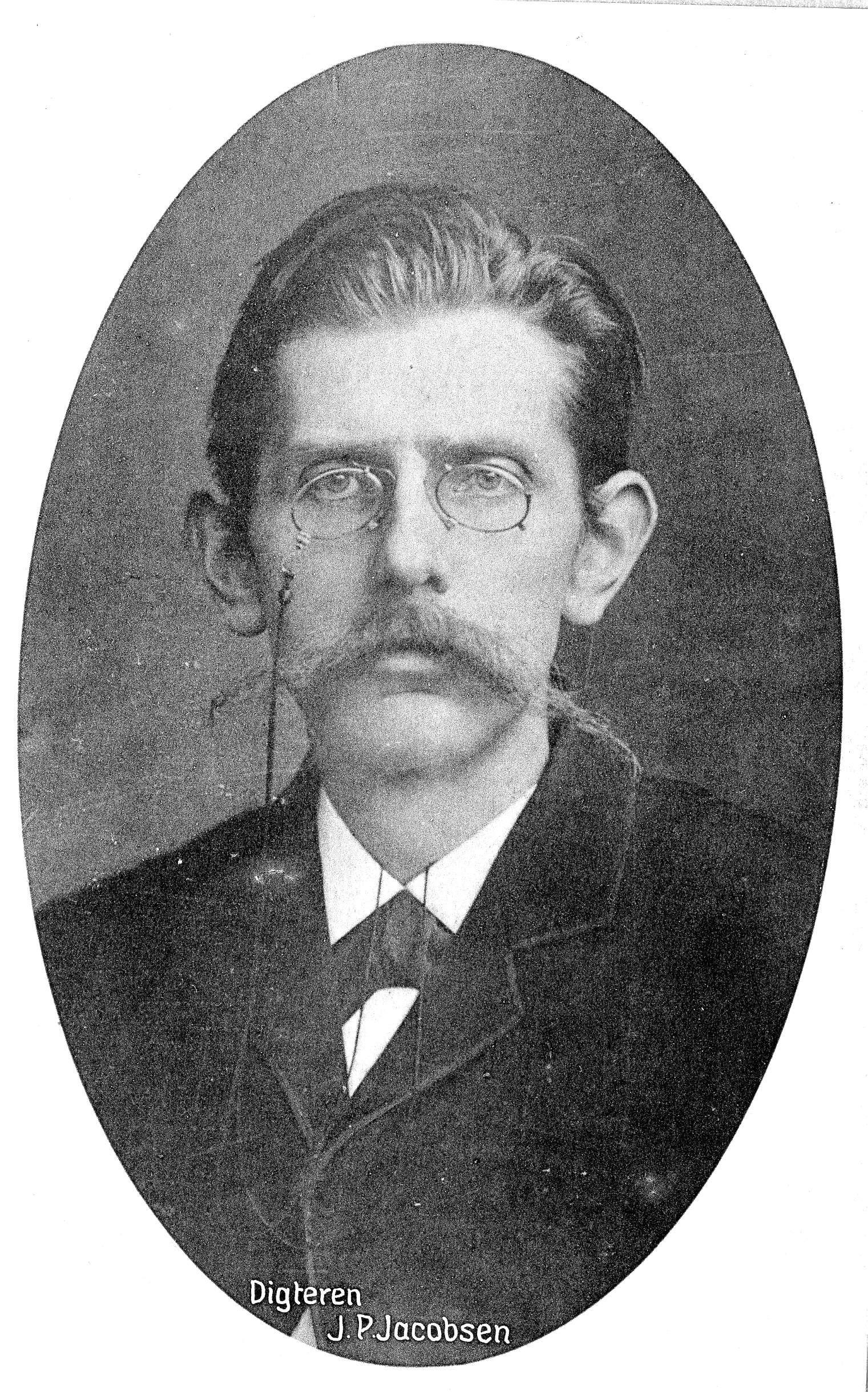


![Night Watches [complete]](/_next/image?url=https%3A%2F%2Fd3b2n8gj62qnwr.cloudfront.net%2FCOVERS%2Fgutenberg_covers75k%2Febook-12161.png&w=3840&q=75)