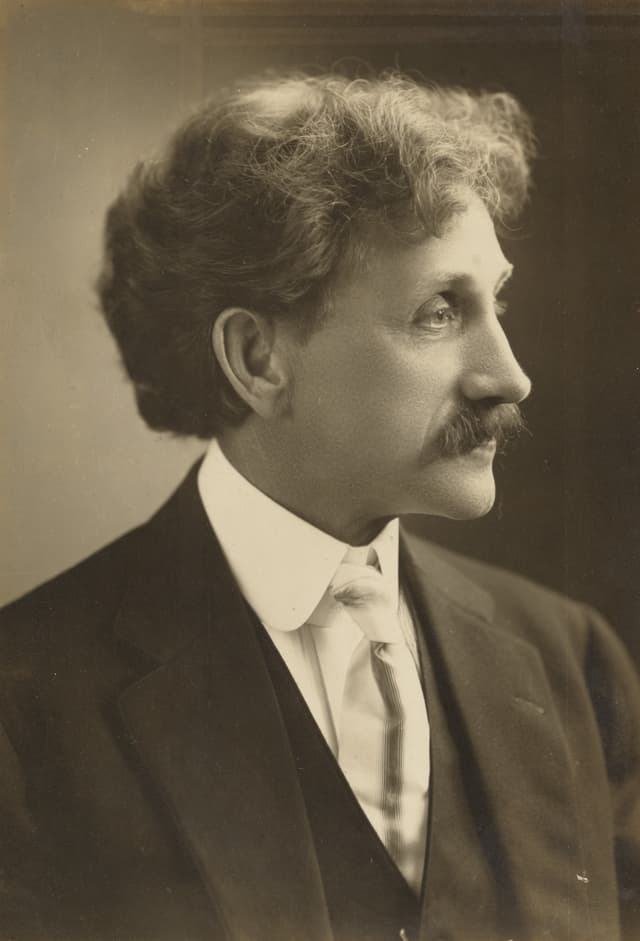
J. Howard Moore
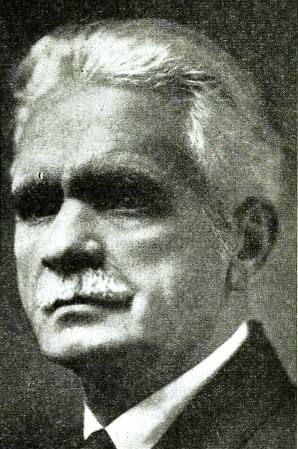
J. Howard Moore was an American author and advocate for animal rights, best known for his influential work in the early 20th century. Born in the mid-19th century, he was a prominent figure in the movement for vegetarianism and animal welfare, which was gaining traction during his lifetime. His most notable work, "The Universal Kinship," published in 1906, argued for the moral consideration of all sentient beings, challenging the prevailing attitudes toward animals and advocating for a more compassionate society. Moore's writings combined philosophical inquiry with a passionate plea for ethical treatment of animals, making him a pioneering voice in the animal rights movement. In addition to his advocacy, Moore contributed to various publications, where he articulated his views on ethics, nature, and the interconnectedness of all life. His ideas were ahead of their time, influencing later thinkers and activists in the animal rights and environmental movements. Despite being less well-known today, Moore's legacy endures through the ongoing discussions surrounding animal ethics and the moral implications of human actions on other species. His work laid the groundwork for future generations to consider the rights of animals and the importance of living in harmony with the natural world.
Famous Quotes
View all 8 quotes“I am ashamed of the race of beings to which I belong. It is so cruel and bigoted, so hypocritical, so soulless and insane. I would rather be an insect ... a bee or a butterfly ... and float in dim dreams among the wild-flowers of summer than be a man and feel the horrible and ghastly wrongs and sufferings of this wretched world.””
“Yes, do as you would be done by - and not to the dark man and the white woman alone, but to the sorrel horse and the grey squirrel as well; not to creatures of your own anatomy alone, but to all creatures. You cannot go high enough, low enough nor far enough to find those whose bowed and broken beings will not rise up at the coming of the kindly heart, or whose souls will not darken at the touch of inhumanity. Do to beings below as you would be done by beings above you. They are our fellow mortals. They came out of the same mysterious womb of the past, are passing through the same dream, and are destined to the same melancholy end as we ourselves. Let us be kind and merciful to them.””
“A universe is, indeed, to be pitied whose dominating inhabitants are so unconscious and so ethically embryonic that they make life a commodity, mercy a disease, and systematic massacre a pastime and a profession.””
Books from the author

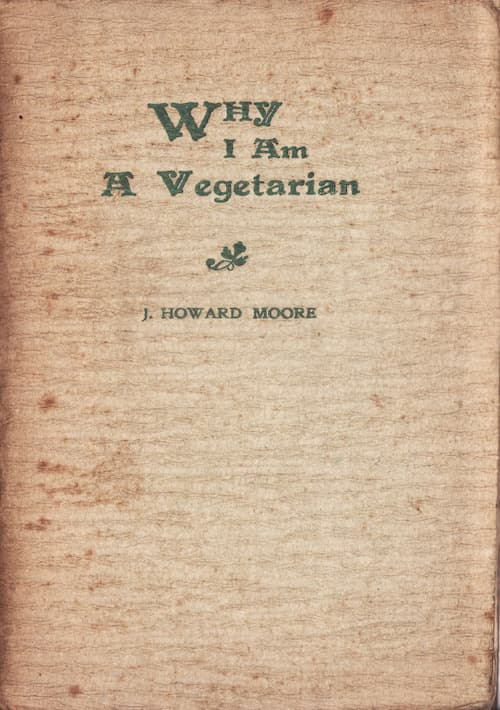
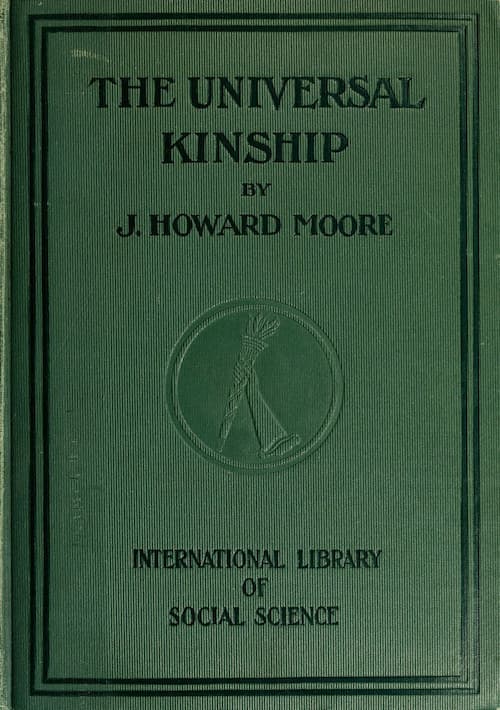

Link to this page
Add a free, dofollow link to Lex on your blog, forum, syllabus, or reading list.

<a href="https://lex-books.com/author/j-howard-moore-2"><img src="https://lex-books.com/badges/read-on-lex.svg" alt="J. Howard Moore on Lex" width="160" height="40"></a>[](https://lex-books.com/author/j-howard-moore-2)[url=https://lex-books.com/author/j-howard-moore-2][img]https://lex-books.com/badges/read-on-lex.svg[/img][/url]J. Howard Moore on Lex: https://lex-books.com/author/j-howard-moore-2