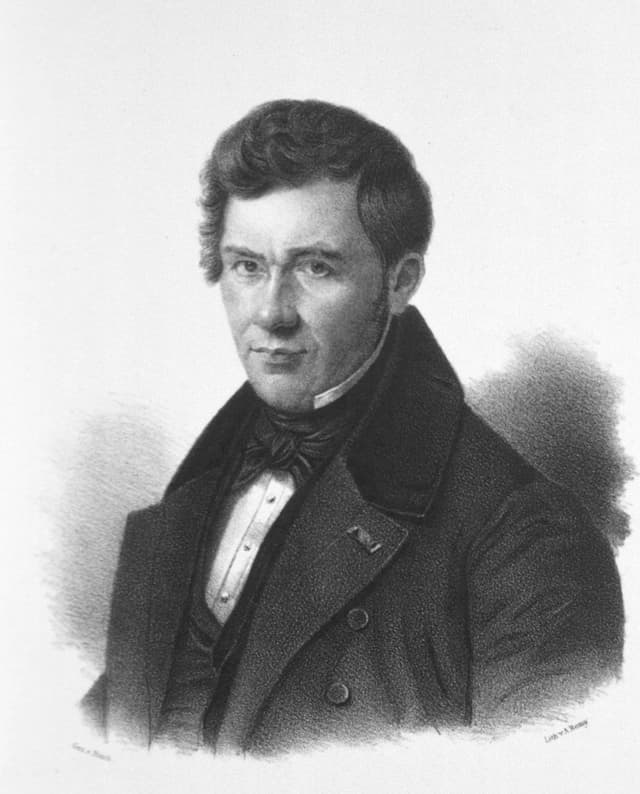
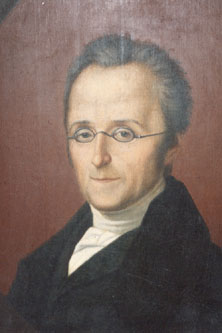
J. F. C. Hecker
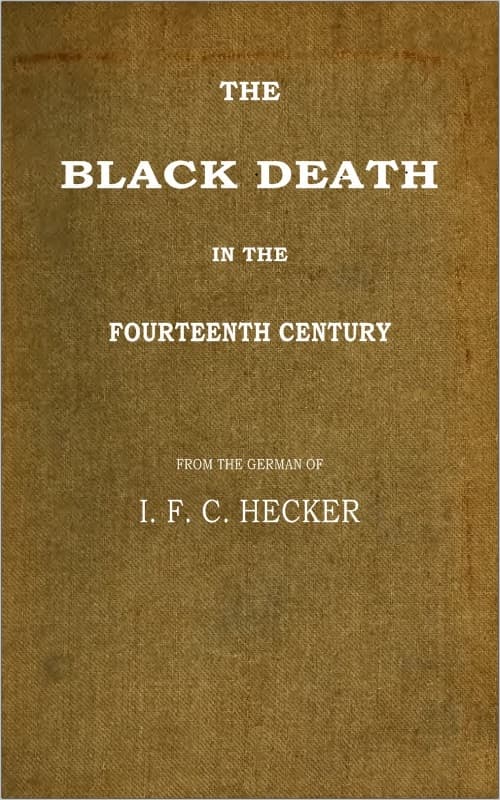
J. F. C. Hecker was a German physician and historian known for his significant contributions to the study of epidemics and social phenomena in the context of medical history. His most notable works, including 'The Black Death, and the Dancing Mania' and 'The Black Death in the Fourteenth Century,' delve into the impact of the bubonic plague on society and the peculiar cultural responses it elicited, such as the phenomenon of the dancing mania. Hecker's exploration of these topics not only provided a detailed account of the historical events but also examined the psychological and social ramifications of such crises on communities. Hecker's writings are characterized by a blend of historical narrative and medical analysis, making them valuable resources for understanding the interplay between disease and society. His investigations into the Black Death and its aftermath contributed to the broader discourse on public health and the social dynamics of fear and hysteria during epidemics. Through his meticulous research and engaging prose, Hecker left a lasting legacy in the field of medical history, influencing future scholars and historians in their examination of the societal effects of disease.
Books from the author

Link to this page
Add a free, dofollow link to Lex on your blog, forum, syllabus, or reading list.

<a href="https://lex-books.com/author/j-f-c-hecker"><img src="https://lex-books.com/badges/read-on-lex.svg" alt="J. F. C. Hecker on Lex" width="160" height="40"></a>[](https://lex-books.com/author/j-f-c-hecker)[url=https://lex-books.com/author/j-f-c-hecker][img]https://lex-books.com/badges/read-on-lex.svg[/img][/url]J. F. C. Hecker on Lex: https://lex-books.com/author/j-f-c-hecker