
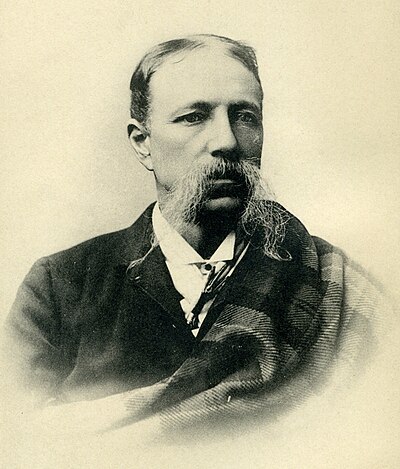
Iginio Ugo Tarchetti
Iginio Ugo Tarchetti was an Italian author, poet, and journalist who emerged as a significant figure in the Lombard literary scene during the 19th century. Born in a period of burgeoning literary movements, he is recognized as the first practitioner of Gothic fiction in Italy, paving the way for future writers in the genre. His works often explored themes of love, death, and the supernatural, reflecting the complexities of human emotion and societal constraints. Notable among his writings are 'Fosca,' a novel that delves into the dark corners of obsession and despair, and various short stories that showcase his innovative narrative style. Despite being overlooked for many years, Tarchetti's contributions to literature have recently garnered renewed interest and critical acclaim. His unique blend of Gothic elements with psychological depth has influenced subsequent generations of Italian writers. Tarchetti's legacy lies not only in his pioneering role within Gothic fiction but also in his ability to capture the tumultuous spirit of his time, making him a noteworthy figure in the landscape of Italian literature.
Famous Quotes
View all 3 quotes“Forgetting! It is a form of suicide, a renunciation of the only good the we truly and ineluctably possess: the past. For if joys alone were forgotten, perhaps oblivion would be justly desired. But we are proud and jealous of our sorrows, we love them, we want to remember them. It is they that comprise the crown of life.”
“[M]y sensitivity was unfortunately even more monstrous than my grotesqueness. Yes, my grotesqueness; I possess the courage to judge myself without pity, and to call things by their proper names. If only you knew... how I hate my own self, how much I hate my ugliness, yet never so much as I detest my heart.”
“Nelle nature buone e generose l'amore non è egoista, egli non è tanto un desiderio di rendere felici se stessi, quanto un bisogno di rendere felici gli altri; non è spesso che una smania di sacrificarsi all'altrui felicità.”
Books from the author




Link to this page
Add a free, dofollow link to Lex on your blog, forum, syllabus, or reading list.

<a href="https://lex-books.com/author/iginio-ugo-tarchetti"><img src="https://lex-books.com/badges/read-on-lex.svg" alt="Iginio Ugo Tarchetti on Lex" width="160" height="40"></a>[](https://lex-books.com/author/iginio-ugo-tarchetti)[url=https://lex-books.com/author/iginio-ugo-tarchetti][img]https://lex-books.com/badges/read-on-lex.svg[/img][/url]Iginio Ugo Tarchetti on Lex: https://lex-books.com/author/iginio-ugo-tarchetti