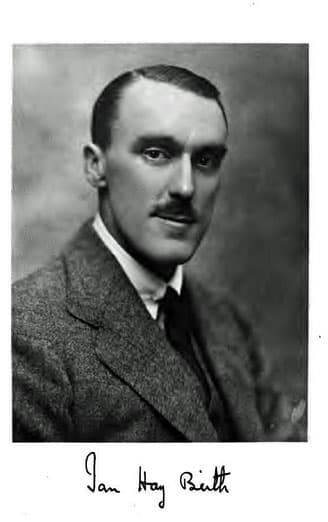
Ian Hay
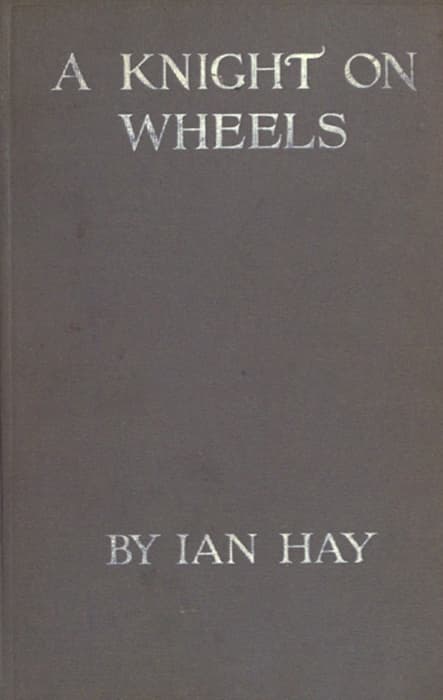
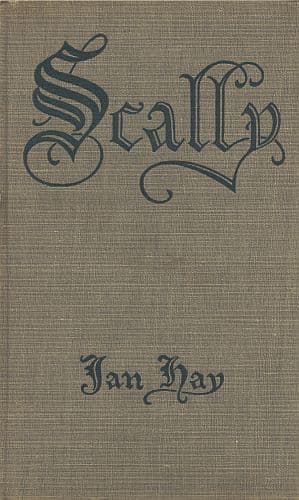
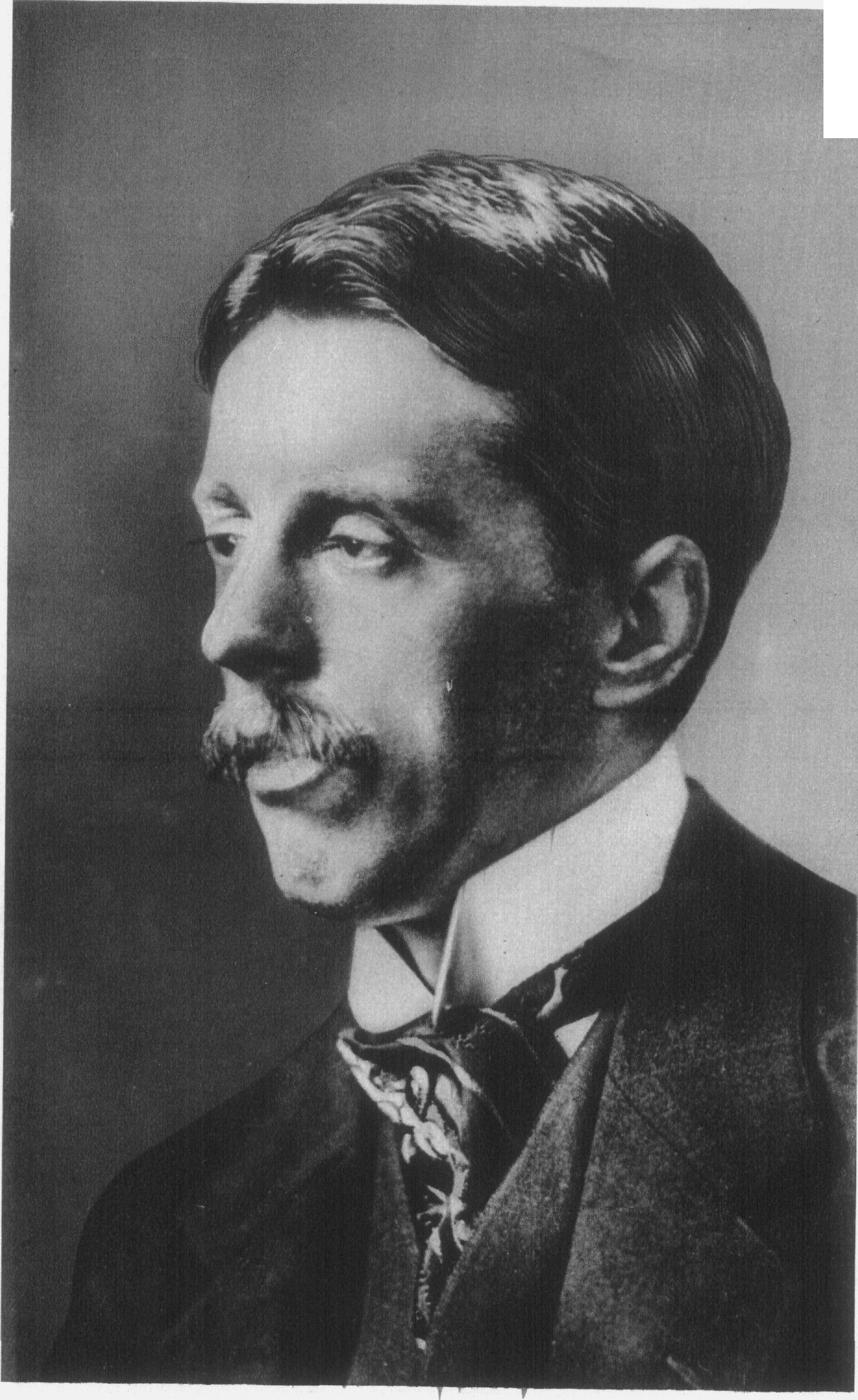
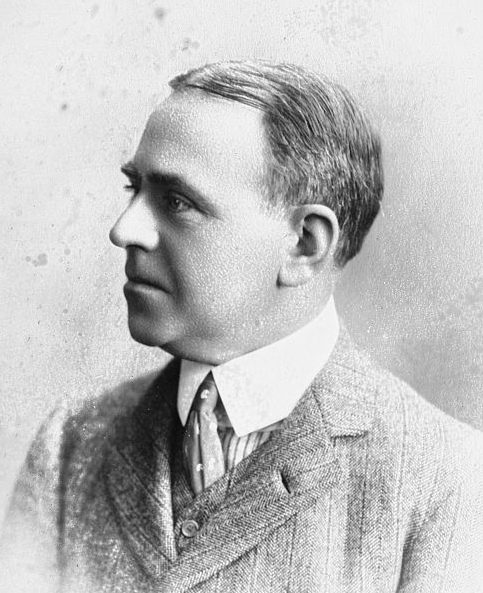
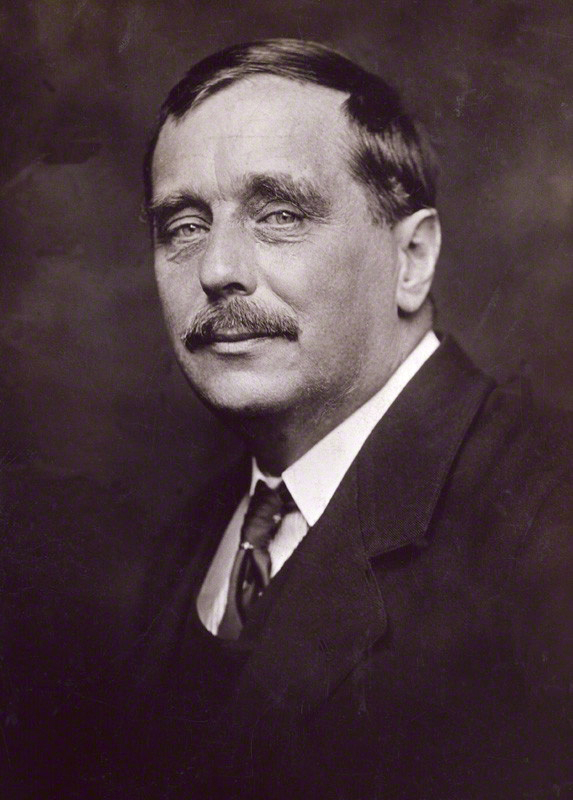
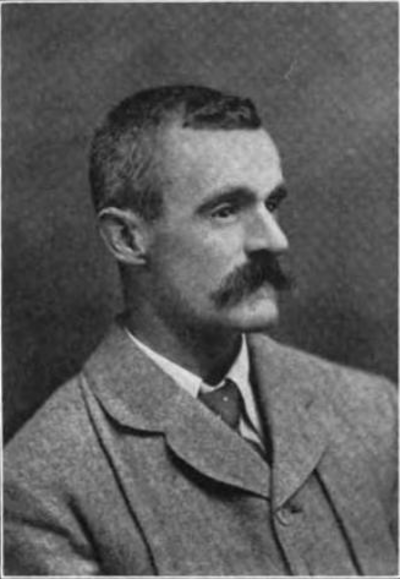
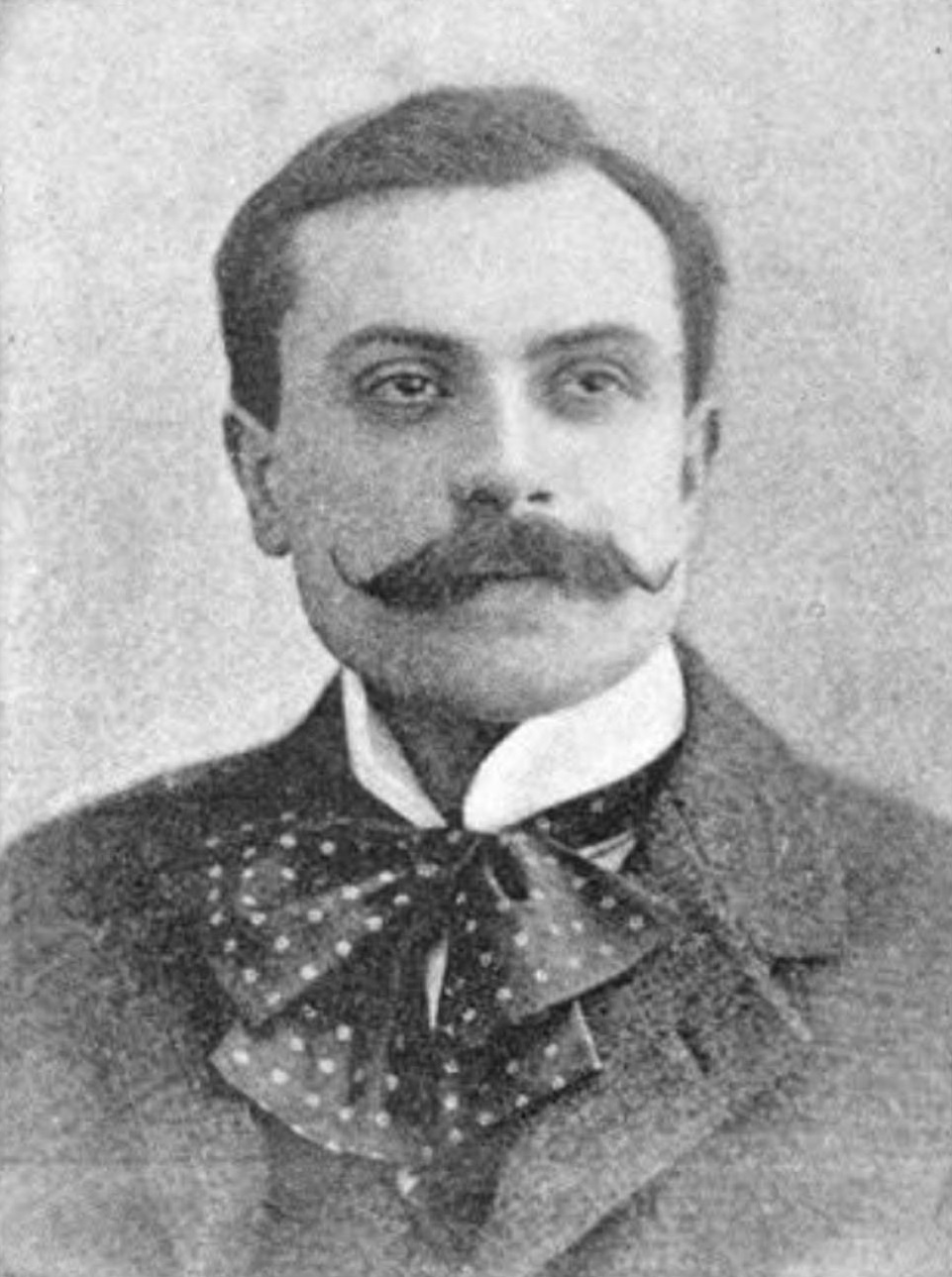
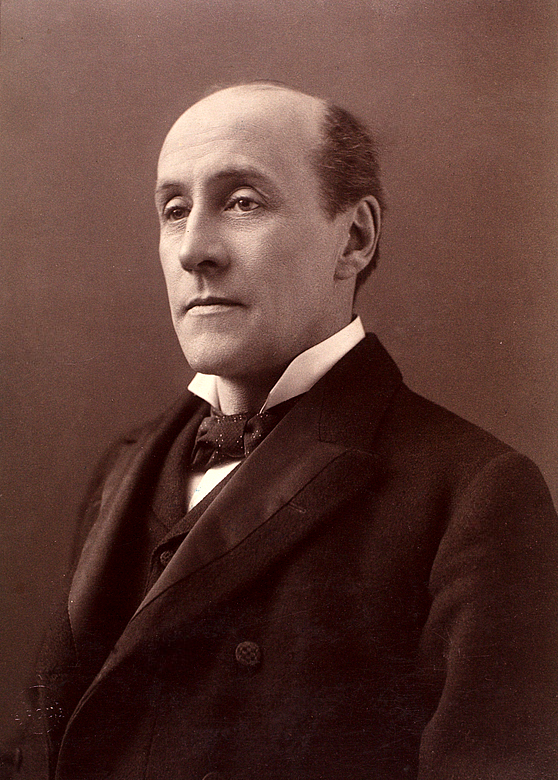
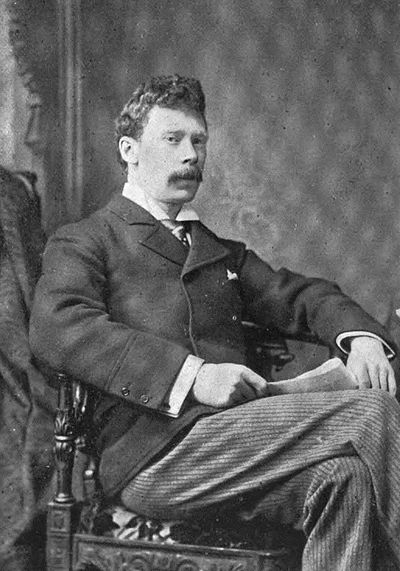
Ian Hay, born John Hay Beith, was a British novelist, playwright, and historian whose works captured the spirit of his times with humor and insight. After studying Classics at Cambridge University, he began his career as a schoolmaster before transitioning to writing full-time following the success of his novel, Pip, in 1907. His experiences as a soldier during World War I greatly influenced his writing, culminating in the publication of The First Hundred Thousand in 1915, a light-hearted yet poignant account of army life that became a bestseller and solidified his reputation as a writer. Though his post-war novels did not reach the same heights of popularity, Hay found success in the theater, crafting light comedies often in collaboration with notable contemporaries like P. G. Wodehouse and Guy Bolton. His contributions to literature extended beyond fiction, as he also served in various capacities during the Second World War, including as Director of Public Relations at the War Office. Ian Hay's legacy lies in his ability to blend humor with social commentary, reflecting the complexities of British life during the early 20th century.
Famous Quotes
View all 7 quotes“Hay más contradicciones. Ahora que tenemos un conocimiento exponencialmente mayor del mundo que nos rodea,””
“Hay momentos en los que uno advierte el movimiento de un objeto antes de ver el objeto en sí. Al instante, la mente colorea un poco la situación, inspirándose en expectativas o probabilidades. Lo que venga en ese momento. Algo en la hierba, junto al estanque, tiene todo el aspecto de ser una rana, y al cabo resulta ser una hoja agitada por el viento. Este era, en resumen, uno de esos momentos. Un pensamiento pasó rozándome, o traspasándome, como una flecha, y acto seguido se perdió, y no pude fiarme de lo que pensé que había visto.””
“A fin de cuentas, hay un motivo por el que el Gobierno estadounidense, por ejemplo, eligió las aguas internacionales para desmantelar el arsenal de armas químicas de Siria, para algunos de los encarcelamientos e interrogatorios relacionados con el terrorismo o para deshacerse del cadáver de Osama bin Laden. En paralelo, las industrias pesquera y mercante son tanto víctimas del desgobierno mar adentro como beneficiaras y responsables de él.””
Books from the author
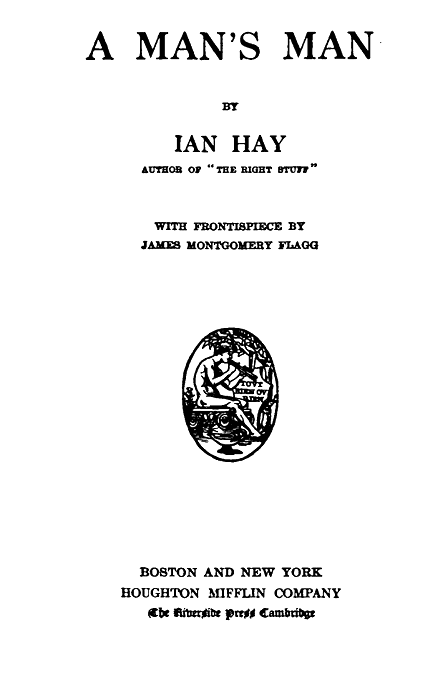
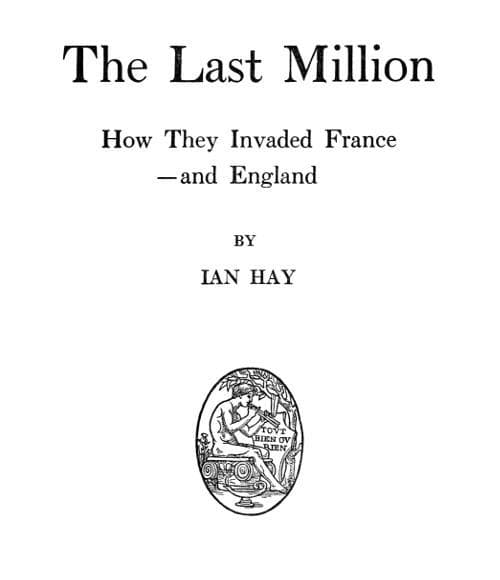
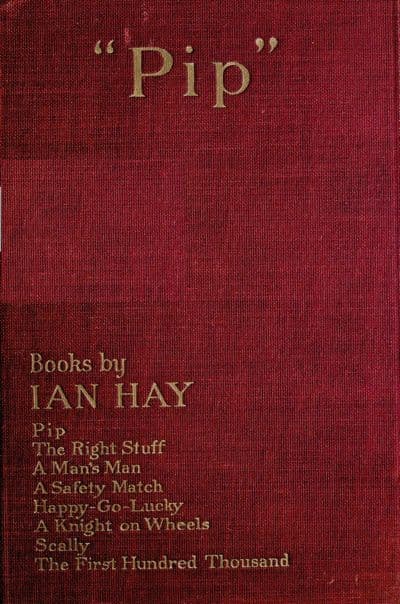

Link to this page
Add a free, dofollow link to Lex on your blog, forum, syllabus, or reading list.

<a href="https://lex-books.com/author/ian-hay"><img src="https://lex-books.com/badges/read-on-lex.svg" alt="Ian Hay on Lex" width="160" height="40"></a>[](https://lex-books.com/author/ian-hay)[url=https://lex-books.com/author/ian-hay][img]https://lex-books.com/badges/read-on-lex.svg[/img][/url]Ian Hay on Lex: https://lex-books.com/author/ian-hay