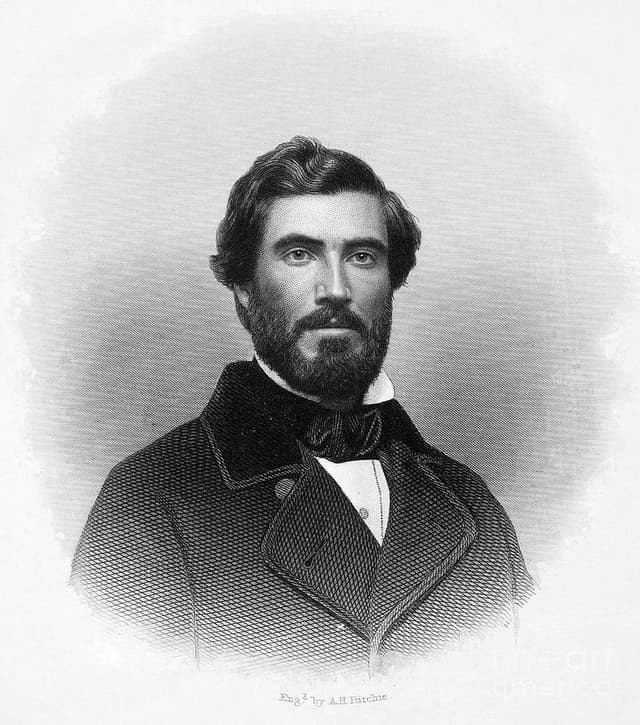
Hinton Rowan Helper
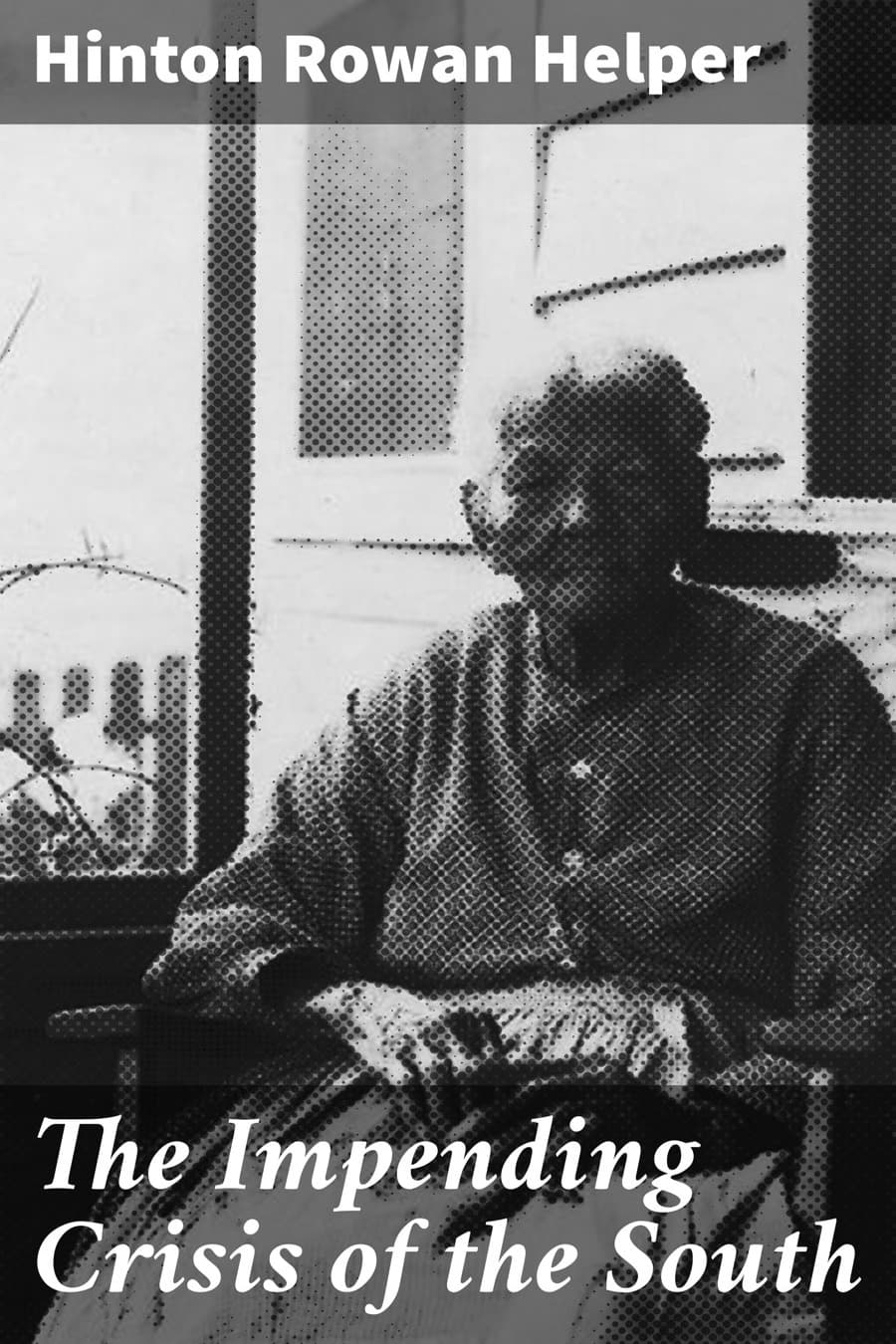
Hinton Rowan Helper was an American writer and abolitionist known for his controversial views on slavery and its economic implications. In 1857, he published his most notable work, The Impending Crisis of the South: How to Meet It, which was aimed at the 'non-slaveholding whites' of the South. Helper's argument centered on the idea that slavery was detrimental not only to enslaved individuals but also to the economic interests of non-slaveholders, asserting that it hindered the overall growth of the Southern economy. His work was written in North Carolina but published in the North, leading to significant backlash from Southern society, which saw him as a divisive figure attempting to exploit class tensions within the region. Despite the controversy surrounding his views, Helper's work played a significant role in the abolitionist movement by highlighting the economic arguments against slavery. His perspective was unique for its time, as it shifted the focus from moral and humanitarian arguments to economic ones, thereby influencing the discourse on slavery in the years leading up to the Civil War. Helper's legacy is complex; while he is recognized for his abolitionist stance, his advocacy for white supremacy complicates his contributions to American literature and social thought, marking him as a figure of both significance and contradiction in the historical narrative of the antebellum South.
Famous Quotes
View all 1 quotes“I have seen purer liquors, better segars, finer tobacco, truer guns and pistols, larger dirks and bowie knives, and prettier courtesans here in San Francisco than in any other place I have ever visited; and it is my unbiased opinion that California can and does furnish the best bad things that are available in America.”
Books from the author







Link to this page
Add a free, dofollow link to Lex on your blog, forum, syllabus, or reading list.

<a href="https://lex-books.com/author/hinton-rowan-helper"><img src="https://lex-books.com/badges/read-on-lex.svg" alt="Hinton Rowan Helper on Lex" width="160" height="40"></a>[](https://lex-books.com/author/hinton-rowan-helper)[url=https://lex-books.com/author/hinton-rowan-helper][img]https://lex-books.com/badges/read-on-lex.svg[/img][/url]Hinton Rowan Helper on Lex: https://lex-books.com/author/hinton-rowan-helper