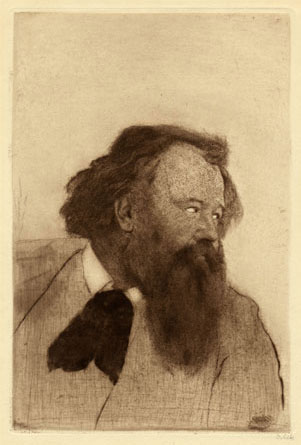
Hermann Bahr
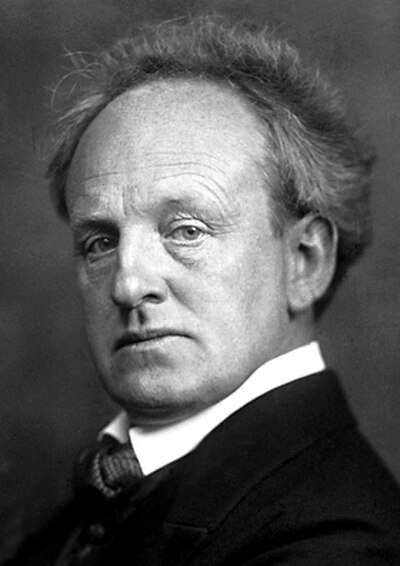
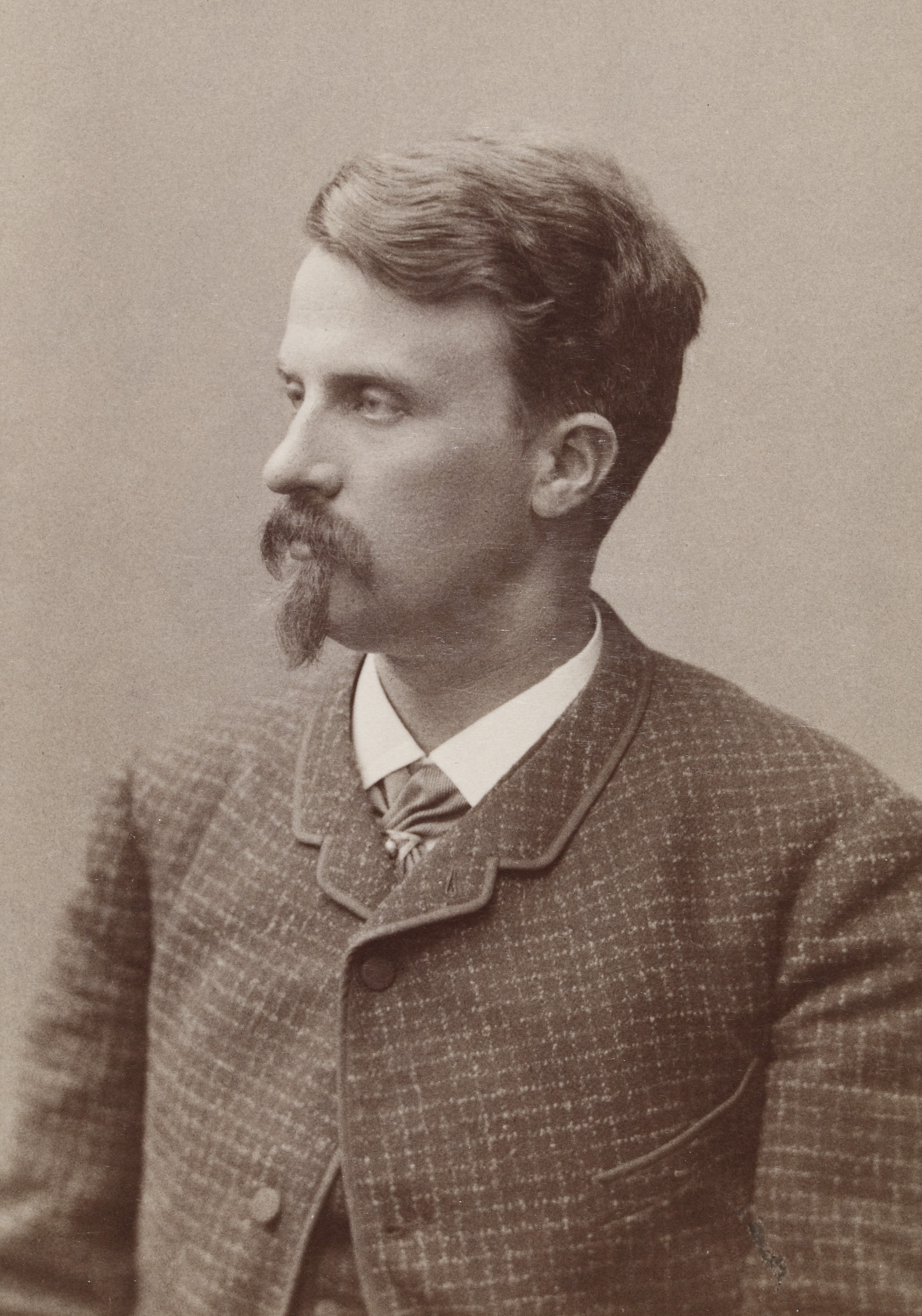
Hermann Bahr was an influential Austrian writer, playwright, director, and critic, known for his significant contributions to the literary and theatrical landscape of the early 20th century. Born in 1863, Bahr was a prominent figure in the Viennese cultural scene, where he became a key advocate for modernism and a vocal critic of traditional artistic forms. His works often explored themes of identity, society, and the human condition, reflecting the complexities of his time. Notable plays such as 'Die Macht der Gewohnheit' and his essays on literature and art showcased his innovative approach and deep understanding of the evolving cultural milieu. Bahr's literary significance extended beyond his own writings; he was instrumental in promoting the works of other modernist writers and playwrights, including Arthur Schnitzler and Hugo von Hofmannsthal. His critical essays and reviews helped shape the discourse around modernism in literature and theater, making him a central figure in the movement. Despite his relatively short life, Bahr's legacy endures through his contributions to the arts and his role in fostering a new wave of creative expression in Austria and beyond.
Famous Quotes
View all 3 quotes“So he explored, explored within himself, scanning himself with a lamp, as if it were not himself at all but some strange monster that he had been commanded to guard.”
“It comforted him because it could not be called suffering if it was a sign of Art.”
“Words are not in the power of men; men are in the power of words. Every time we open our mouths, a thousand dead men speak through us.”
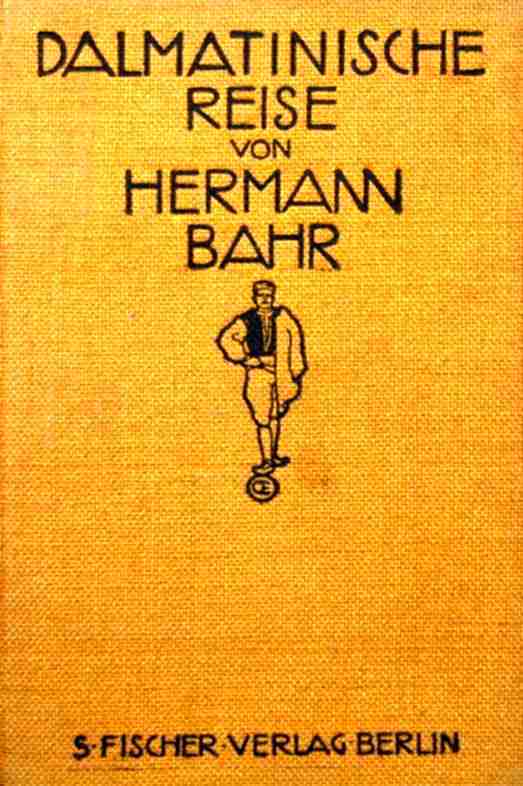
Books from the author









Link to this page
Add a free, dofollow link to Lex on your blog, forum, syllabus, or reading list.

<a href="https://lex-books.com/author/hermann-bahr"><img src="https://lex-books.com/badges/read-on-lex.svg" alt="Hermann Bahr on Lex" width="160" height="40"></a>[](https://lex-books.com/author/hermann-bahr)[url=https://lex-books.com/author/hermann-bahr][img]https://lex-books.com/badges/read-on-lex.svg[/img][/url]Hermann Bahr on Lex: https://lex-books.com/author/hermann-bahr