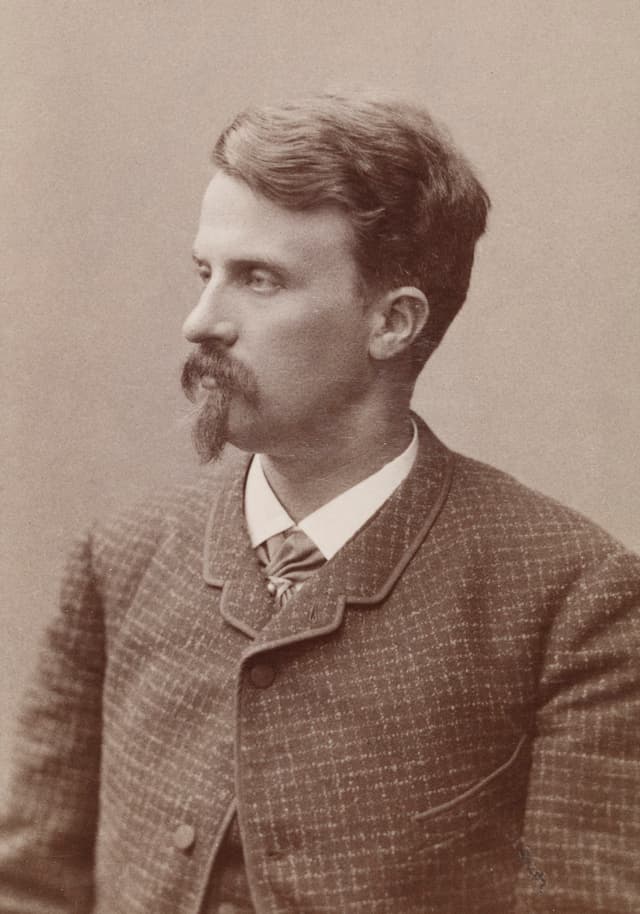
Juhani Aho
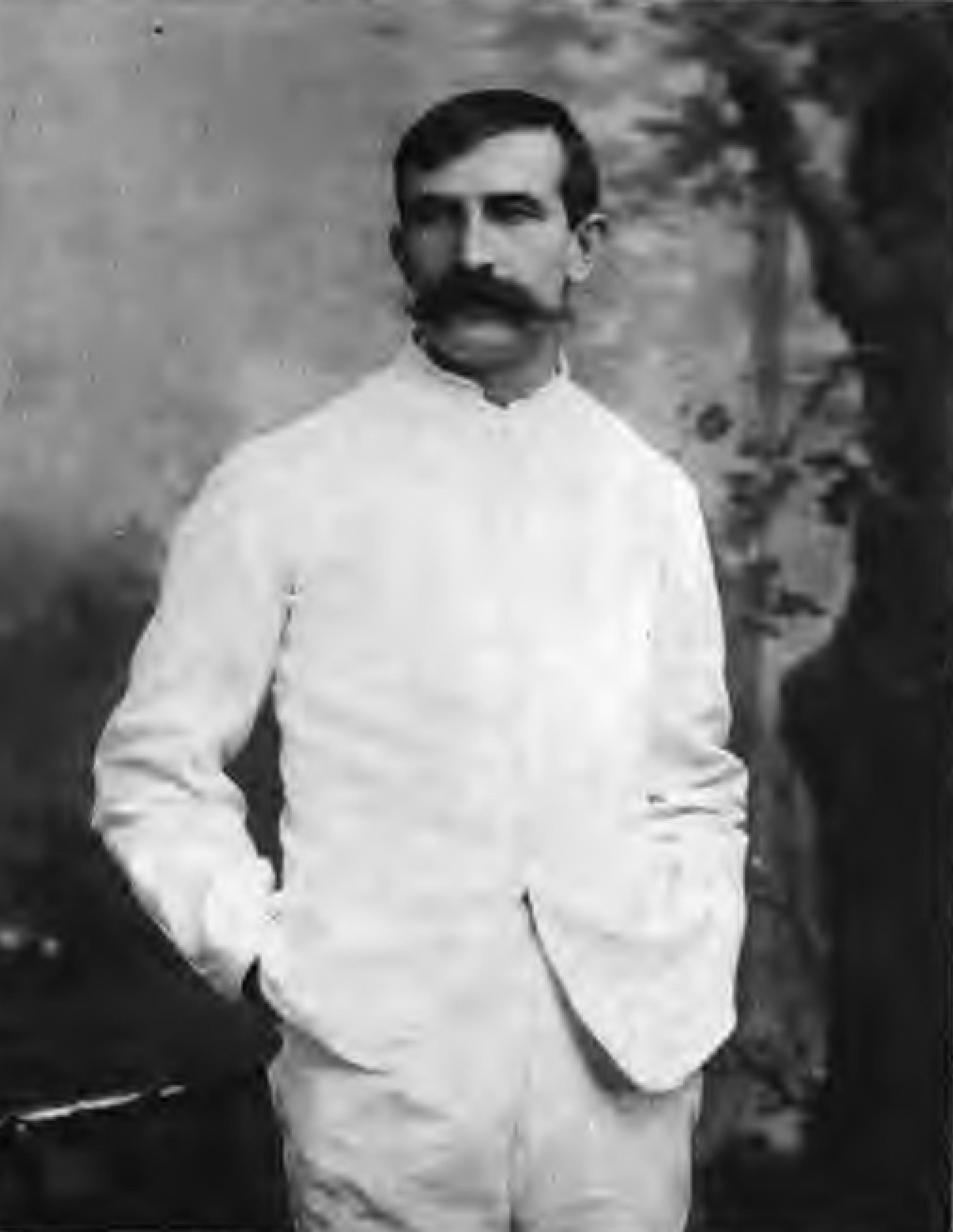
Juhani Aho, born Johannes Brofeldt, was a prominent Finnish author and journalist whose literary contributions significantly shaped Finnish literature in the late 19th and early 20th centuries. Aho's early life in the rural landscapes of Finland deeply influenced his writing, leading him to explore themes of nature, identity, and the Finnish experience. His works often reflected the struggles and aspirations of ordinary people, capturing the essence of Finnish culture and society during a time of national awakening. Notable works such as 'Rautatie' (The Railway) and 'Papin tytär' (The Pastor's Daughter) showcased his skill in blending realism with lyrical prose, earning him a reputation as one of Finland's most important literary figures. Throughout his career, Aho was nominated for the Nobel Prize in Literature sixteen times, a testament to his impact on the literary world. His ability to convey complex emotions and social commentary through simple yet profound narratives resonated with readers and critics alike. Aho's legacy endures as a pioneer of Finnish literature, influencing subsequent generations of writers and contributing to the establishment of a distinct Finnish literary voice. His works remain a vital part of Finland's cultural heritage, reflecting the nation's history and the universal human condition.
Famous Quotes
View all 3 quotes“It's having hope which requires having guts. So wear your heart on your sleeve and if it bleeds, let it, so long as it still beats.”
“Ei ole niin väliä, ketä rakastaa, kunhan rakastaa.”
“I want to let myself go, to glide over the charming greased surface, to be bewitched and intoxicated. And I'm no longer afraid of waking up. Let this world take me, Let this Paris squeeze me to death, so long as it first caresses me and carries me in its arms.”
Books from the author

Link to this page
Add a free, dofollow link to Lex on your blog, forum, syllabus, or reading list.

<a href="https://lex-books.com/author/juhani-aho"><img src="https://lex-books.com/badges/read-on-lex.svg" alt="Juhani Aho on Lex" width="160" height="40"></a>[](https://lex-books.com/author/juhani-aho)[url=https://lex-books.com/author/juhani-aho][img]https://lex-books.com/badges/read-on-lex.svg[/img][/url]Juhani Aho on Lex: https://lex-books.com/author/juhani-aho