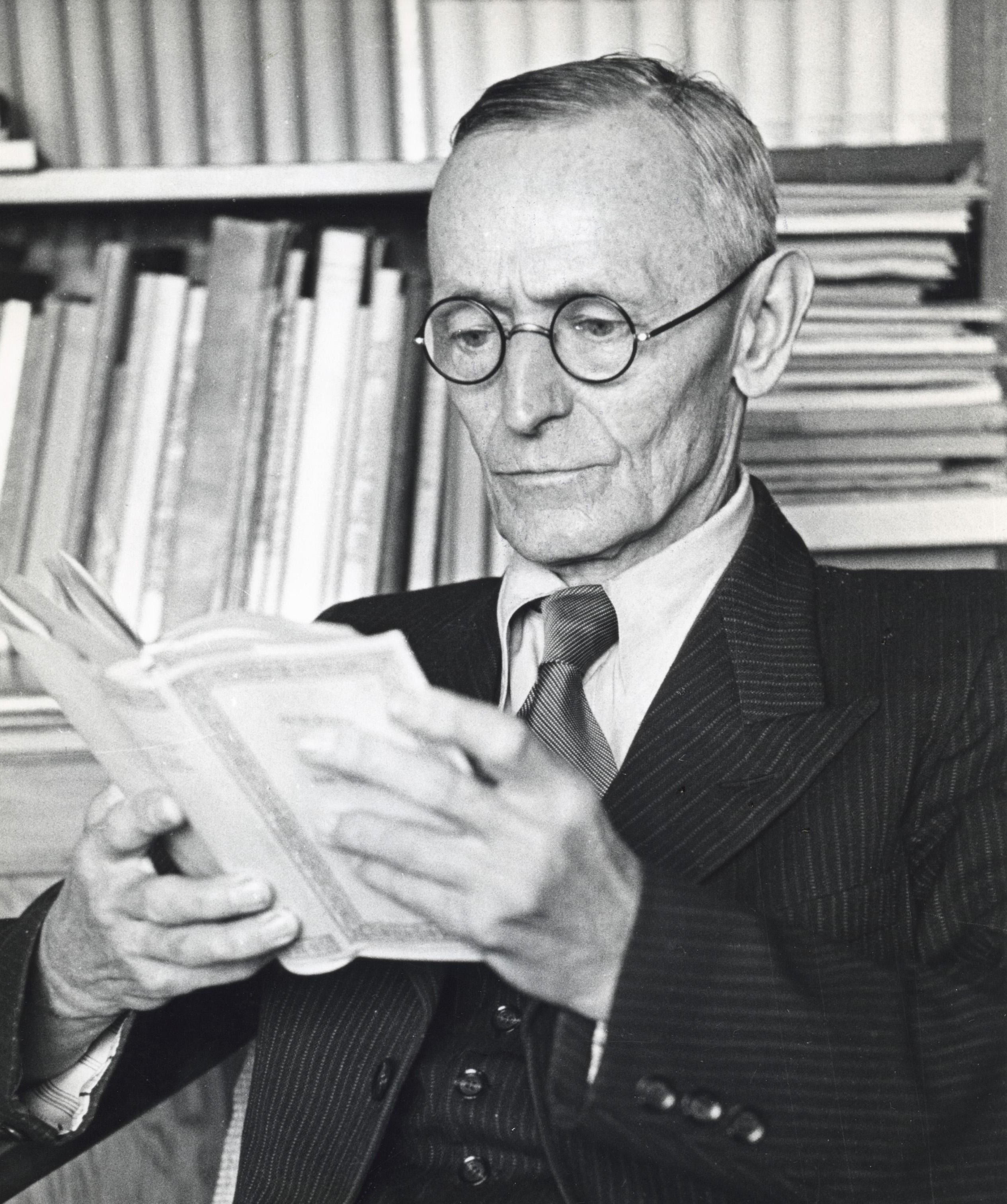
Herbert Furst
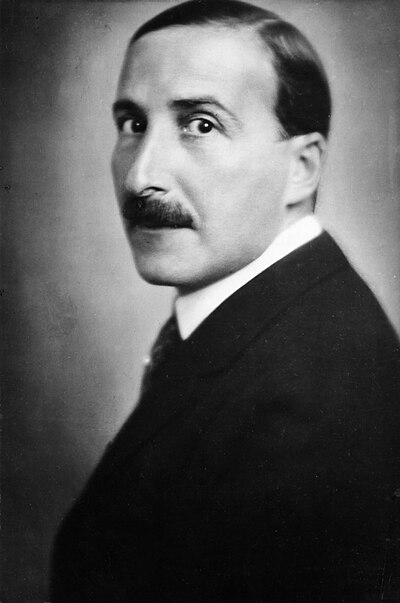
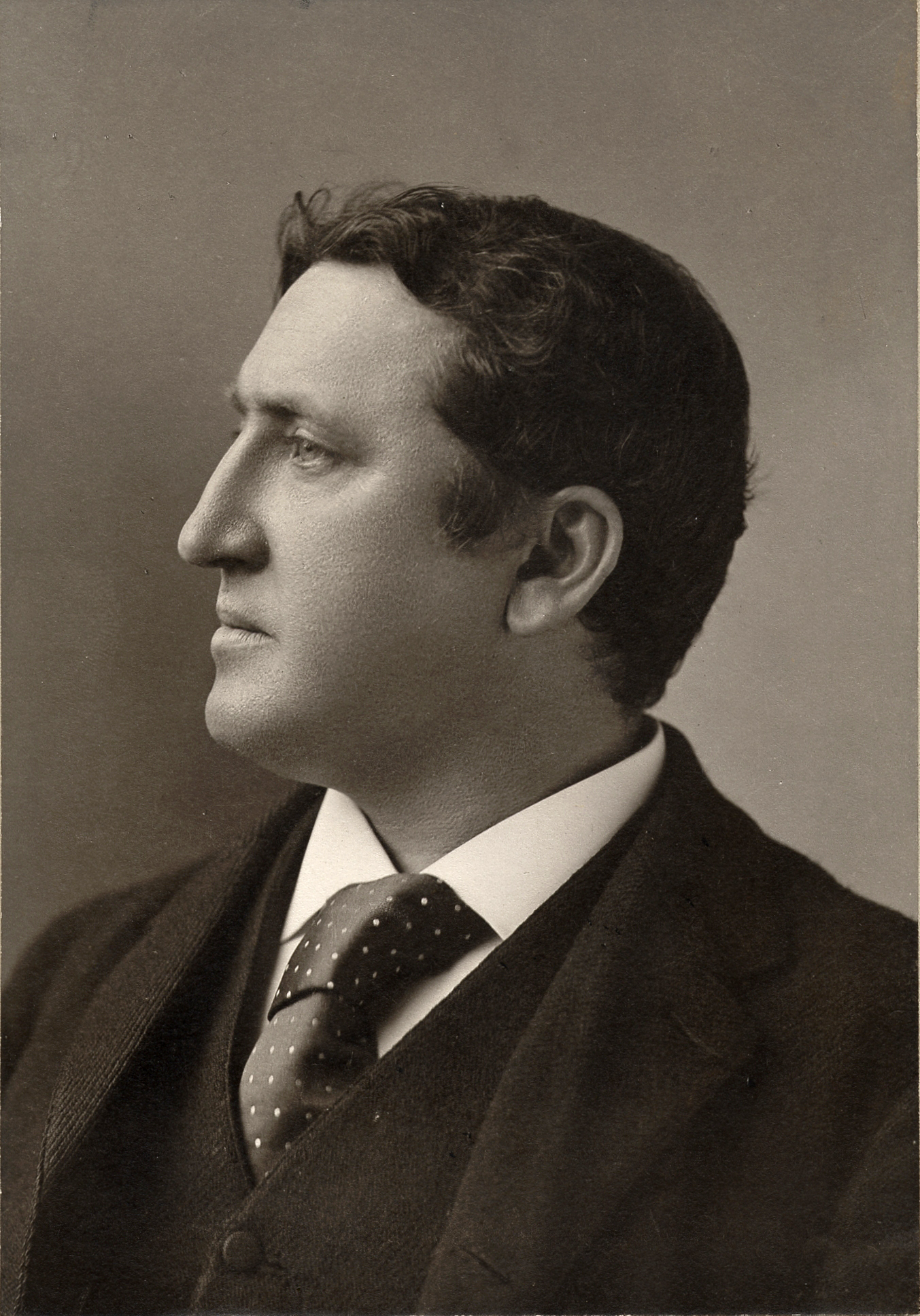
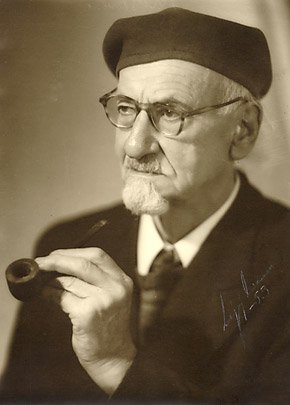
Herbert Furst was a prominent figure in Nazi Germany, known for his role as an agricultural estate manager and a high-ranking member of the Sturmabteilung (SA), the paramilitary wing of the Nazi Party. He rose to the rank of SA-Obergruppenführer, commanding all SA forces in Hamburg during a critical period of the regime. Furst's political involvement extended to serving in the Hamburg State Council, the parliament of Mecklenburg-Schwerin, and the national Reichstag, where he played a significant role in the Nazi political landscape. His leadership was marked by the brutal actions of his troops, notably their participation in the Kristallnacht pogrom in November 1938, which resulted in widespread violence against Jewish communities and the destruction of numerous synagogues. Following the collapse of the Nazi regime, Furst faced denazification procedures and was charged by a German court in 1952. However, he was acquitted due to insufficient evidence, allowing him to evade significant legal repercussions for his actions during the war. Furst's legacy is intertwined with the darker chapters of German history, reflecting the complexities of individual accountability in the context of a totalitarian regime and the lasting impact of Nazi policies on society.
Books from the author