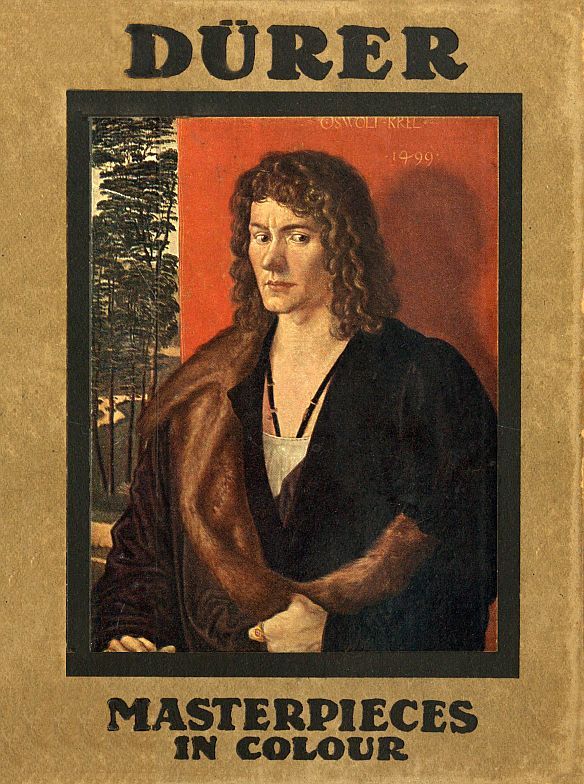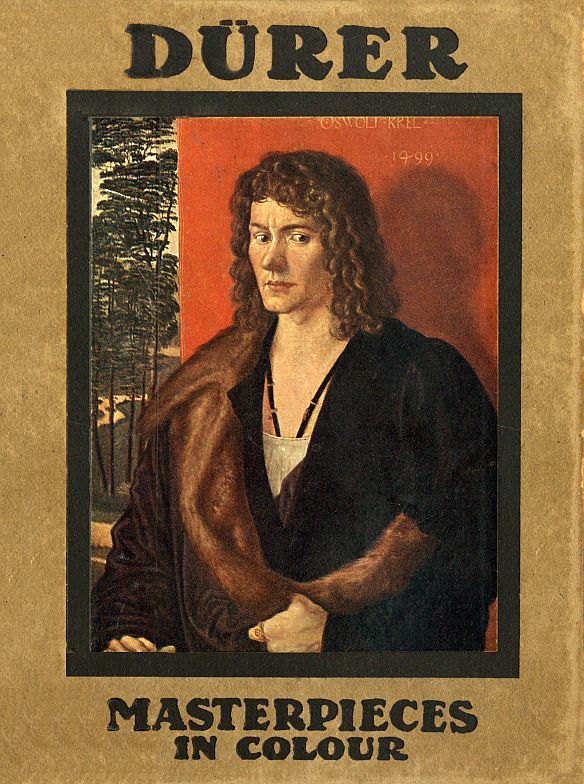
Herbert Furst's 1910 biography captures Albrecht Dürer at the moment when his reputation was being reappraised for the modern age. Rather than a simple catalogue of works, this is a portrait of an artist who refused to remain merely a craftsman, who demanded recognition as a thinker in an age that valued skilled hands over curious minds. Furst examines Dürer's legendary self-portraits, his groundbreaking engravings like the apocalyptic Four Horsemen and the haunting Melencolia I, and his relentless pursuit of mathematical precision as a pathway to divine truth. The book traces Dürer's struggle for artistic autonomy in Nuremberg, his complicated relationship with the Reformation's spiritual upheaval, and his conviction that a painting could be both beautiful and philosophically profound. Furst presents not a saint of art history but a ambitious, sometimes bitter man whose greatness emerged from the tension between his soaring ambitions and the practical demands of patronage. This early twentieth-century appreciation reads now as a fascinating period document, capturing a moment when Dürer was being reclaimed from centuries of relative obscurity.