
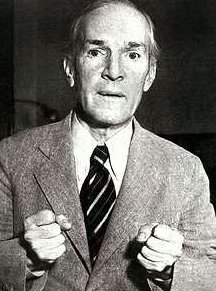
Pío Baroja
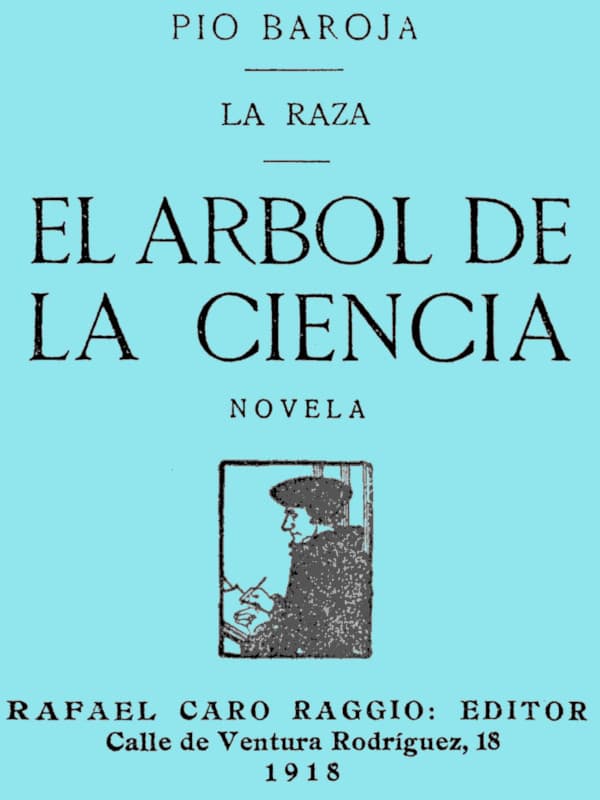
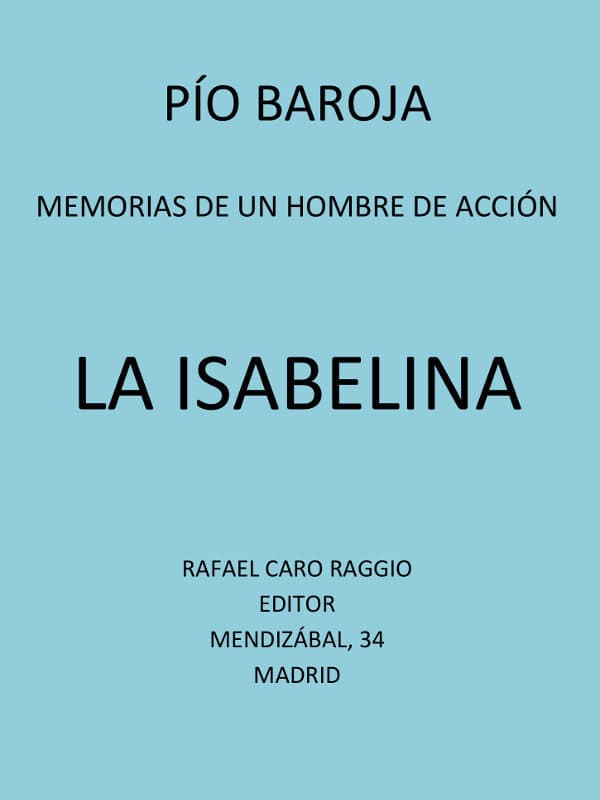
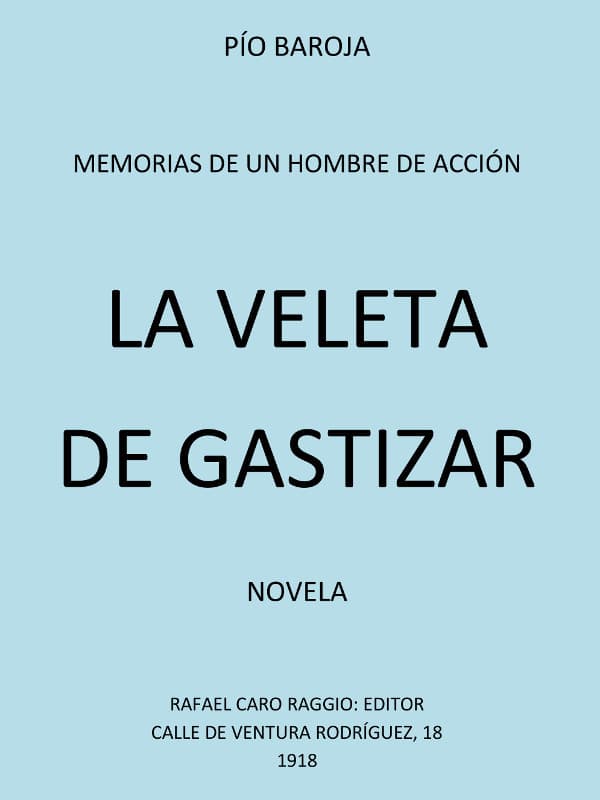
Pío Baroja was a prominent Spanish novelist and a key figure in the Generation of '98, a literary movement that emerged in response to Spain's national crisis following the Spanish-American War. Born in San Sebastián, Baroja was influenced by his family's medical background and his early experiences in the Basque Country. He studied medicine but ultimately turned to literature, producing a vast body of work that explored themes of existentialism, individualism, and the human condition. His notable novels include 'The Tree of Knowledge,' 'Zalacaín the Adventurer,' and 'The House of Aizgorri,' which reflect his deep concern for the moral and social issues of his time. Baroja's writing style is characterized by its directness and simplicity, often eschewing elaborate descriptions for a more straightforward narrative approach. He was known for his critical view of society and his exploration of the struggles of the individual against a backdrop of societal decay. His works often featured complex characters grappling with their identities and the meaning of life. Baroja's influence extended beyond literature; he was also a significant figure in Spanish culture, contributing to discussions on politics and philosophy. His legacy endures through his extensive literary output, which continues to be studied and appreciated for its insight into the human experience and its reflection of early 20th-century Spain.
Famous Quotes
View all 19 quotes“Un paraíso conseguido sin esfuerzo no entusiasma al creyente.””
“La voluntad, el deseo de vivir, es tan fuerte en el animal como en el hombre. En el hombre es mayor la comprensión. A más comprender, corresponde menos desear. Esto es lógico, y además se comprueba en la realidad. La apetencia por conocer se despierta en los individuos que aparecen al final de una evolución, cuando el instinto de vivir languidece. El hombre, cuya necesidad es conocer, es como la mariposa que rompe la crisálida para morir. El individuo sano, vivo, fuerte, no ve las cosas como son, porque no le conviene. Está dentro de una alucinación. Don Quijote, a quien Cervantes quiso dar un sentido negativo, es un símbolo de la afirmación de la vida. Don Quijote vive más que todas las personas cuerdas que le rodean, vive más y con más intensidad que los otros. El individuo o el pueblo que quiere vivir se envuelve en nubes como los antiguos dioses cuando se aparecían a los mortales. El instinto vital necesita de las ficción para afirmarse. La ciencia entonces, el instinto de crítica, el instinto de averiguación, debe encontrar una verdad: la cantidad de mentira que se necesita para la vida””
“Sólo los tontos tienen muchas amistades. El mayor número de amigos marca el grado máximo en el dinamómetro de la estupidez.””
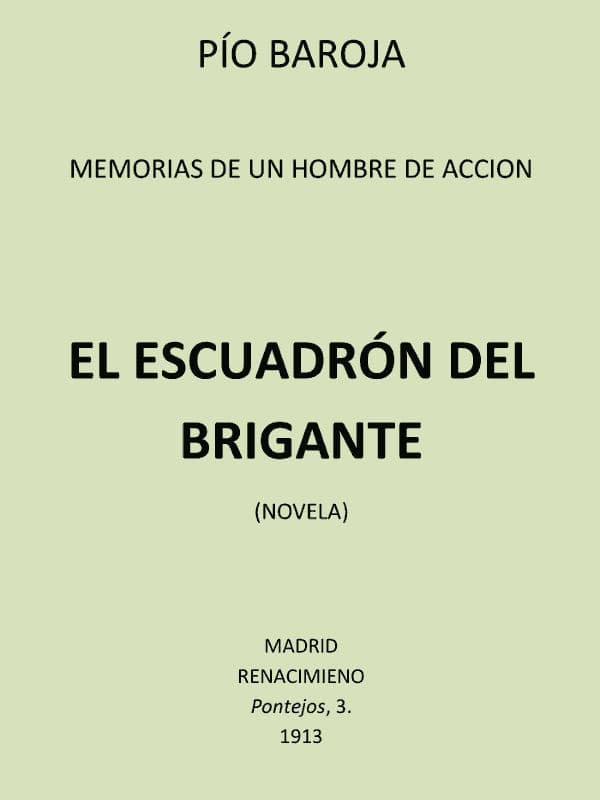
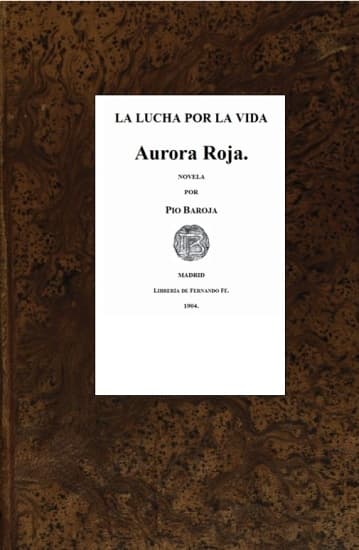
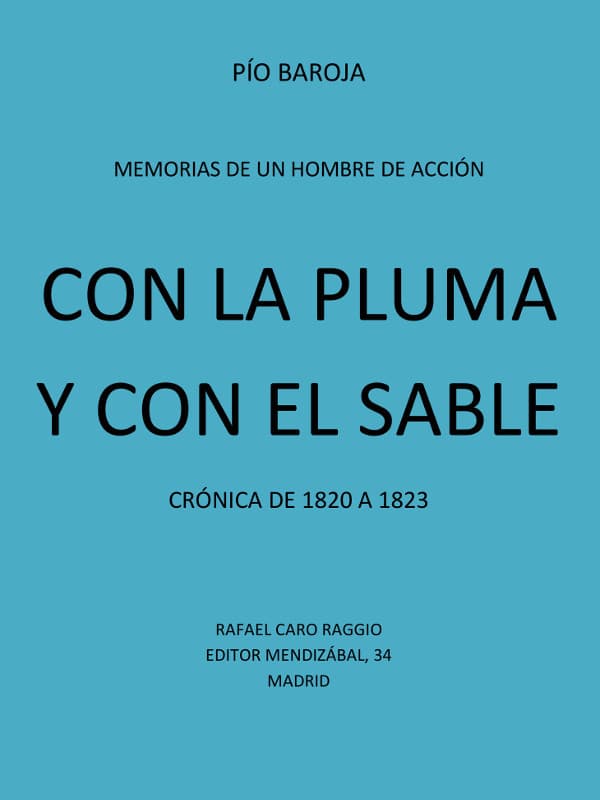
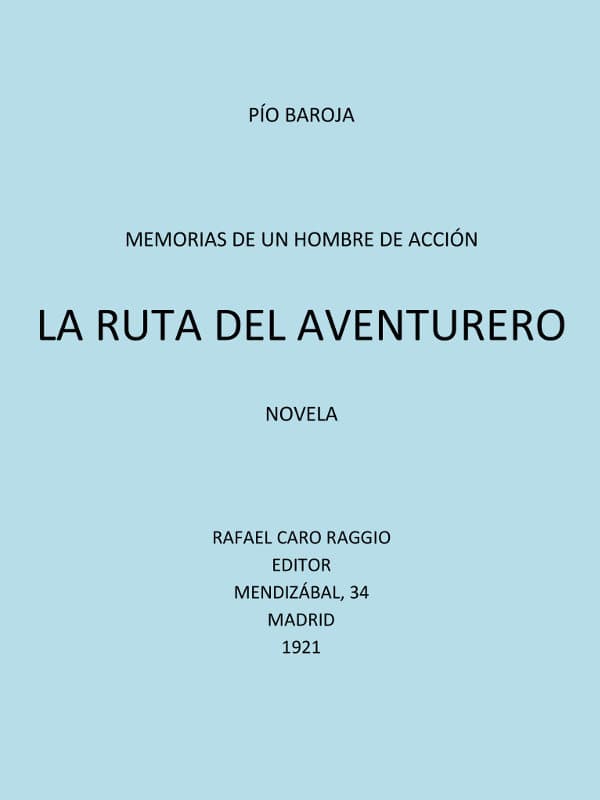
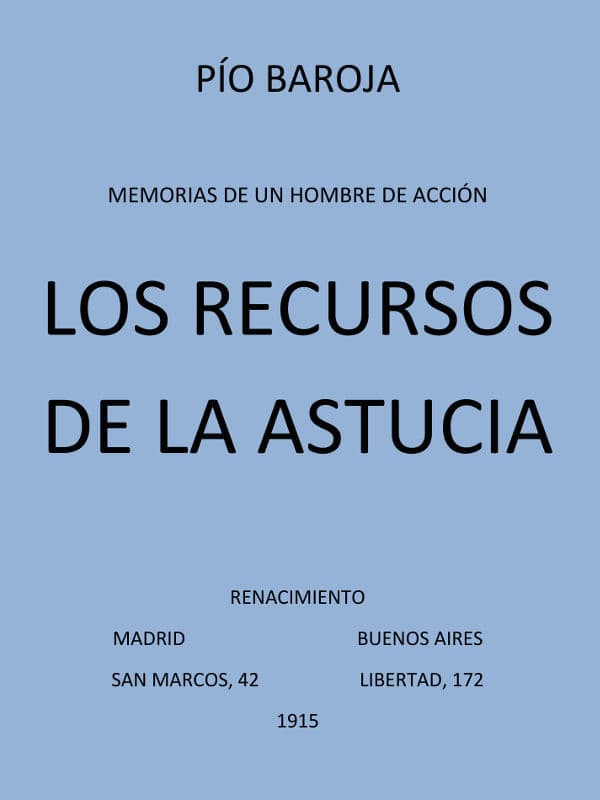
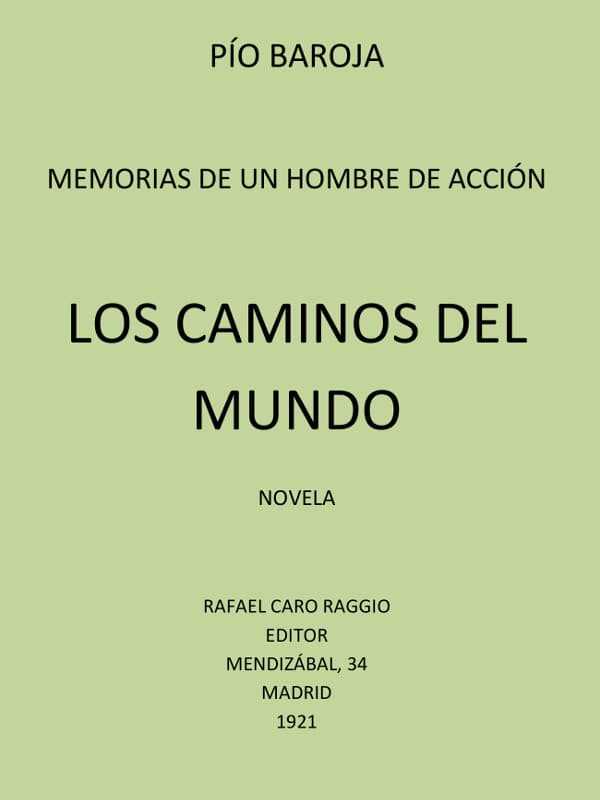
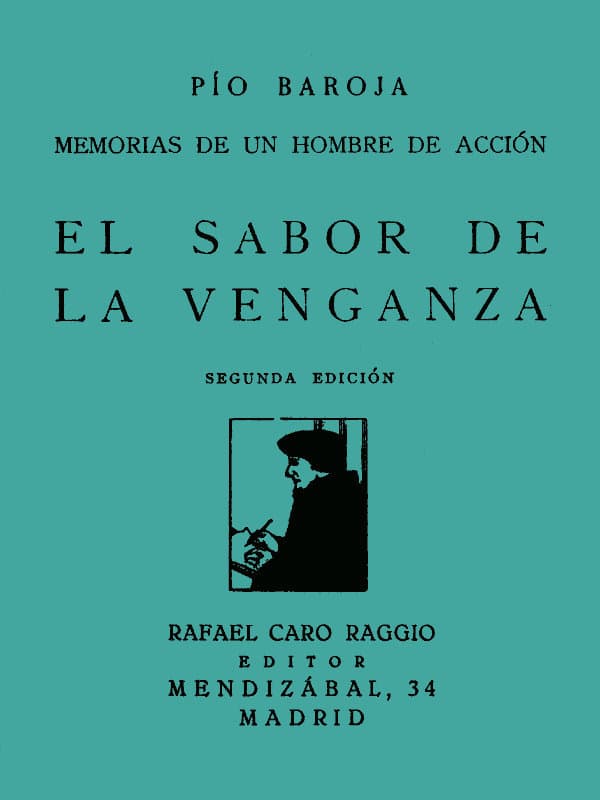
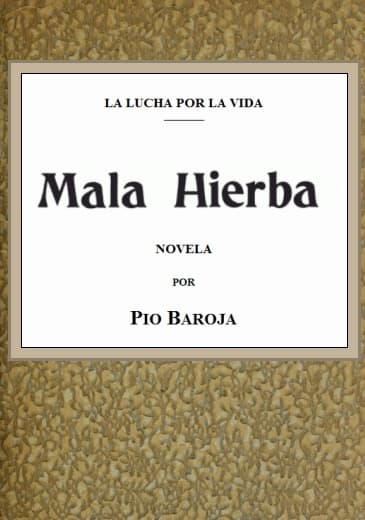
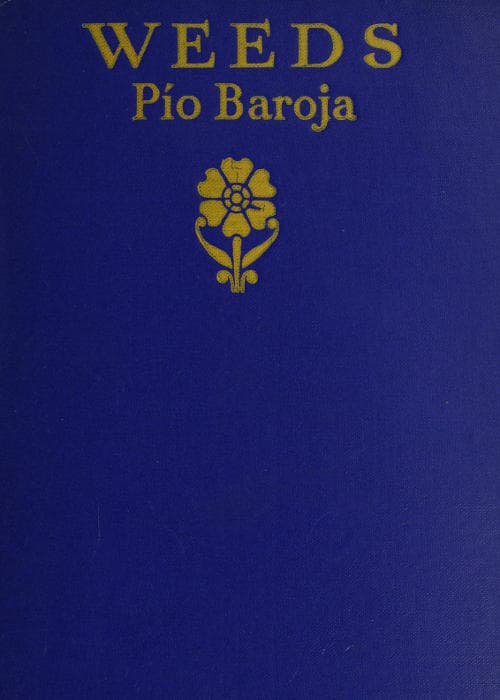
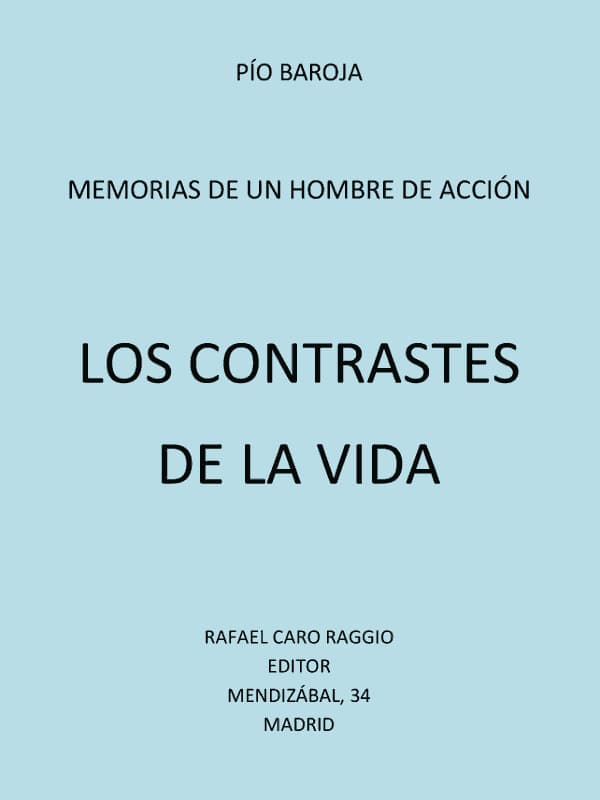
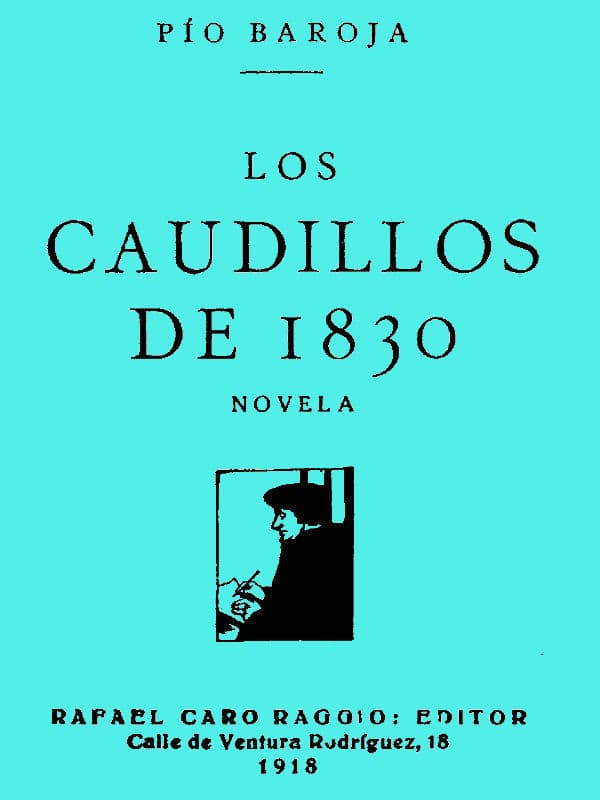
Books from the author


Link to this page
Add a free, dofollow link to Lex on your blog, forum, syllabus, or reading list.

<a href="https://lex-books.com/author/pío-baroja"><img src="https://lex-books.com/badges/read-on-lex.svg" alt="Pío Baroja on Lex" width="160" height="40"></a>[](https://lex-books.com/author/pío-baroja)[url=https://lex-books.com/author/pío-baroja][img]https://lex-books.com/badges/read-on-lex.svg[/img][/url]Pío Baroja on Lex: https://lex-books.com/author/pío-baroja