Lex

Browse

All GenresBookshelvesPremium CatalogueFree BooksFree Audiobooks

Company

About usJobsDeveloper DocsShare with friendsAffiliates

Legal

Terms of ServicePrivacy Policy

Contact

Supportgeneral@lex-books.com(215) 703-8277

© 2026 LexBooks, Inc. All rights reserved.

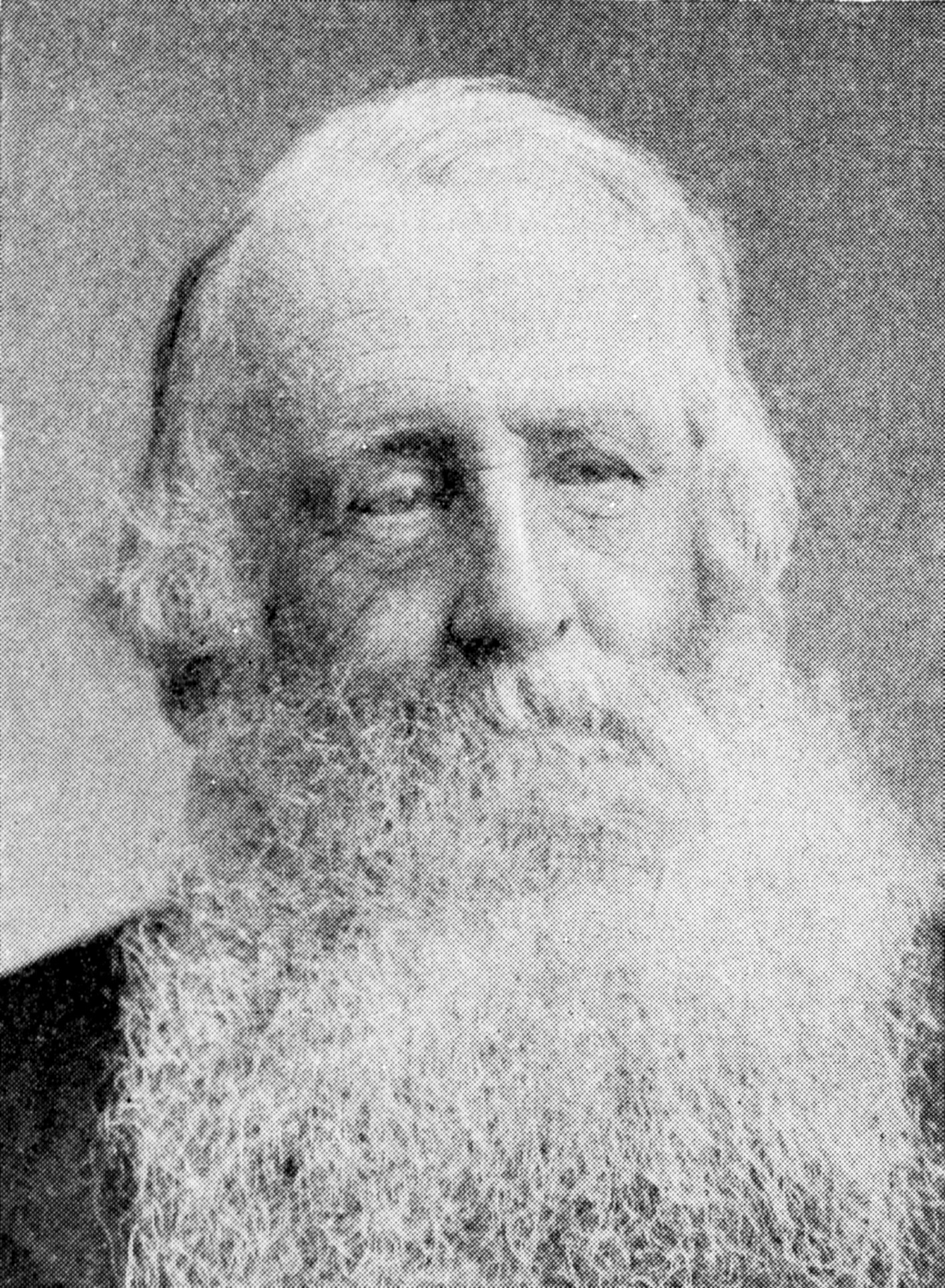
Henry M. Field

Henry M. Field

Famous Quotes

View all 4 quotes

“Sic VitaI am a parcel of vain strivings tied By a chance bond together, Dangling this way and that, their links Were made so loose and wide, Methinks, For milder weather. A bunch of violets without their roots, And sorrel intermixed, Encircled by a wisp of straw Once coiled about their shoots, The law By which I'm fixed. A nosegay which Time clutched from out Those fair Elysian fields, With weeds and broken stems, in haste, Doth make the rabble rout That waste The day he yields. And here I bloom for a short hour unseen, Drinking my juices up, With no root in the land To keep my branches green, But stand In a bare cup. Some tender buds were left upon my stem In mimicry of life, But ah! the children will not know, Till time has withered them, The woe With which they're rife. But now I see I was not plucked for naught, And after in life's vase Of glass set while I might survive, But by a kind hand brought Alive To a strange place. That stock thus thinned will soon redeem its hours, And by another year, Such as God knows, with freer air, More fruits and fairer flowers Will bear, While I droop here.””

“A little later, strolling about the town, I, stopped into a shop near the museum, where they sold souvenirs and post-cards. I looked over the cards leisurely; the ones I liked best were soiled and wrinkled. The man, who spoke French fluently, offered to make the cards presentable. He asked me to wait a few minutes while he ran over to the house and cleaned and ironed them. He said he would make them look like new. I was so dumbfounded that before I could say anything he had disappeared, leaving me in charge of the shop. After a few minutes his wife came in. I thought she looked strange for a Greek woman. After a few words had passed I realized that she was French and she, when she learned that I hailed from Paris, was overjoyed to speak with me. We got along beautifully until she began talking about Greece. She hated Crete, she said. It was too dry, too dusty, too hot, too bare. She missed the beautiful trees of Normandy, the gardens with the high walls, the orchards, and so on. Didn't I agree with her? I said NO, flatly. "Monsieur!" she said, rising up in her pride and dignity, as if I had slapped her in the face."I don't miss anything," I said, pressing the point home. "I think this is marvellous. I don't like your gardens with their high walls, I don't like your pretty little orchards and your well-cultivated-fields. I like this …" and I pointed outdobrs to the dusty road on which a sorely-laden donkey was plodding along dejectedly. "But it's not civilized," she said, in a sharp, shrill voice which reminded me of the miserly tobacconiste in the Rue de la Tombe-Issoire."Je m'en fous da la civilisation européenne!" I blurted out."Monsieur!" she said again, her feathers ruffled and her nose turning blue with malice. Fortunately her husband reappeared at this point with the post-cards which he had given a dry-cleaning.””

The Colossus of Maroussi

“Frequently, if not disturbed by the startling human voice, they make a raid on the rich corn-stalks of the native cultivators, and a dozen of them will in a few minutes make a frightful havoc in a large field of this plant. Consequently, we were not surprised, while delayed at the ferry, to hear the owners of the corn venting loud halloos, like the rosy-cheeked farmer boys in England when scaring the crows away from the young wheat.””

How I Found Livingstone: Enriched edition. Travels, adventures, and discoveres in Central Africa, including an account of four months' residence with Dr. Livingstone, by Henry M. Stanley

“Sic VitaI am a parcel of vain strivings tied By a chance bond together, Dangling this way and that, their links Were made so loose and wide, Methinks, For milder weather. A bunch of violets without their roots, And sorrel intermixed, Encircled by a wisp of straw Once coiled about their shoots, The law By which I'm fixed. A nosegay which Time clutched from out Those fair Elysian fields, With weeds and broken stems, in haste, Doth make the rabble rout That waste The day he yields. And here I bloom for a short hour unseen, Drinking my juices up, With no root in the land To keep my branches green, But stand In a bare cup. Some tender buds were left upon my stem In mimicry of life, But ah! the children will not know, Till time has withered them, The woe With which they're rife. But now I see I was not plucked for naught, And after in life's vase Of glass set while I might survive, But by a kind hand brought Alive To a strange place. That stock thus thinned will soon redeem its hours, And by another year, Such as God knows, with freer air, More fruits and fairer flowers Will bear, While I droop here.””

“A little later, strolling about the town, I, stopped into a shop near the museum, where they sold souvenirs and post-cards. I looked over the cards leisurely; the ones I liked best were soiled and wrinkled. The man, who spoke French fluently, offered to make the cards presentable. He asked me to wait a few minutes while he ran over to the house and cleaned and ironed them. He said he would make them look like new. I was so dumbfounded that before I could say anything he had disappeared, leaving me in charge of the shop. After a few minutes his wife came in. I thought she looked strange for a Greek woman. After a few words had passed I realized that she was French and she, when she learned that I hailed from Paris, was overjoyed to speak with me. We got along beautifully until she began talking about Greece. She hated Crete, she said. It was too dry, too dusty, too hot, too bare. She missed the beautiful trees of Normandy, the gardens with the high walls, the orchards, and so on. Didn't I agree with her? I said NO, flatly. "Monsieur!" she said, rising up in her pride and dignity, as if I had slapped her in the face."I don't miss anything," I said, pressing the point home. "I think this is marvellous. I don't like your gardens with their high walls, I don't like your pretty little orchards and your well-cultivated-fields. I like this …" and I pointed outdobrs to the dusty road on which a sorely-laden donkey was plodding along dejectedly. "But it's not civilized," she said, in a sharp, shrill voice which reminded me of the miserly tobacconiste in the Rue de la Tombe-Issoire."Je m'en fous da la civilisation européenne!" I blurted out."Monsieur!" she said again, her feathers ruffled and her nose turning blue with malice. Fortunately her husband reappeared at this point with the post-cards which he had given a dry-cleaning.””

The Colossus of Maroussi

“Frequently, if not disturbed by the startling human voice, they make a raid on the rich corn-stalks of the native cultivators, and a dozen of them will in a few minutes make a frightful havoc in a large field of this plant. Consequently, we were not surprised, while delayed at the ferry, to hear the owners of the corn venting loud halloos, like the rosy-cheeked farmer boys in England when scaring the crows away from the young wheat.””

How I Found Livingstone: Enriched edition. Travels, adventures, and discoveres in Central Africa, including an account of four months' residence with Dr. Livingstone, by Henry M. Stanley

Books from the author
From Egyptto Japan

Henry M. Field

The Story ofthe AtlanticTelegraph

Henry M. Field

From theLakes ofKillarney tothe Golde...

Henry M. Field

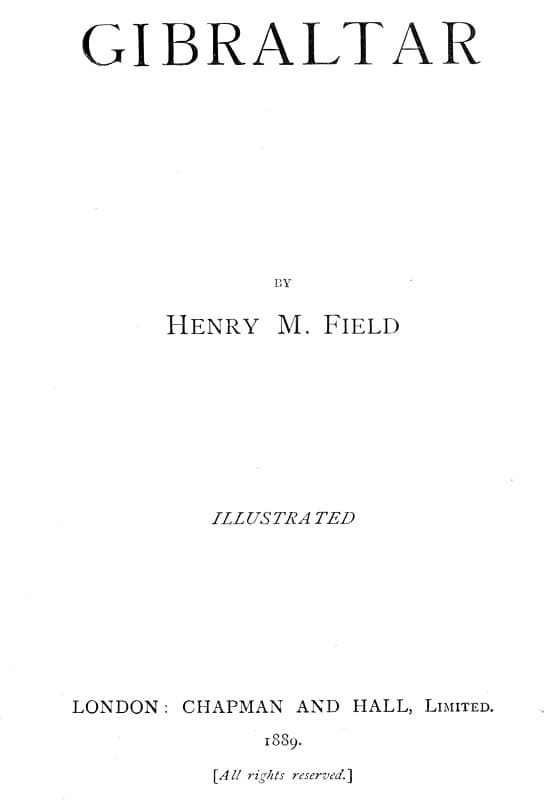
Gibraltar

More authors like this

right arrow
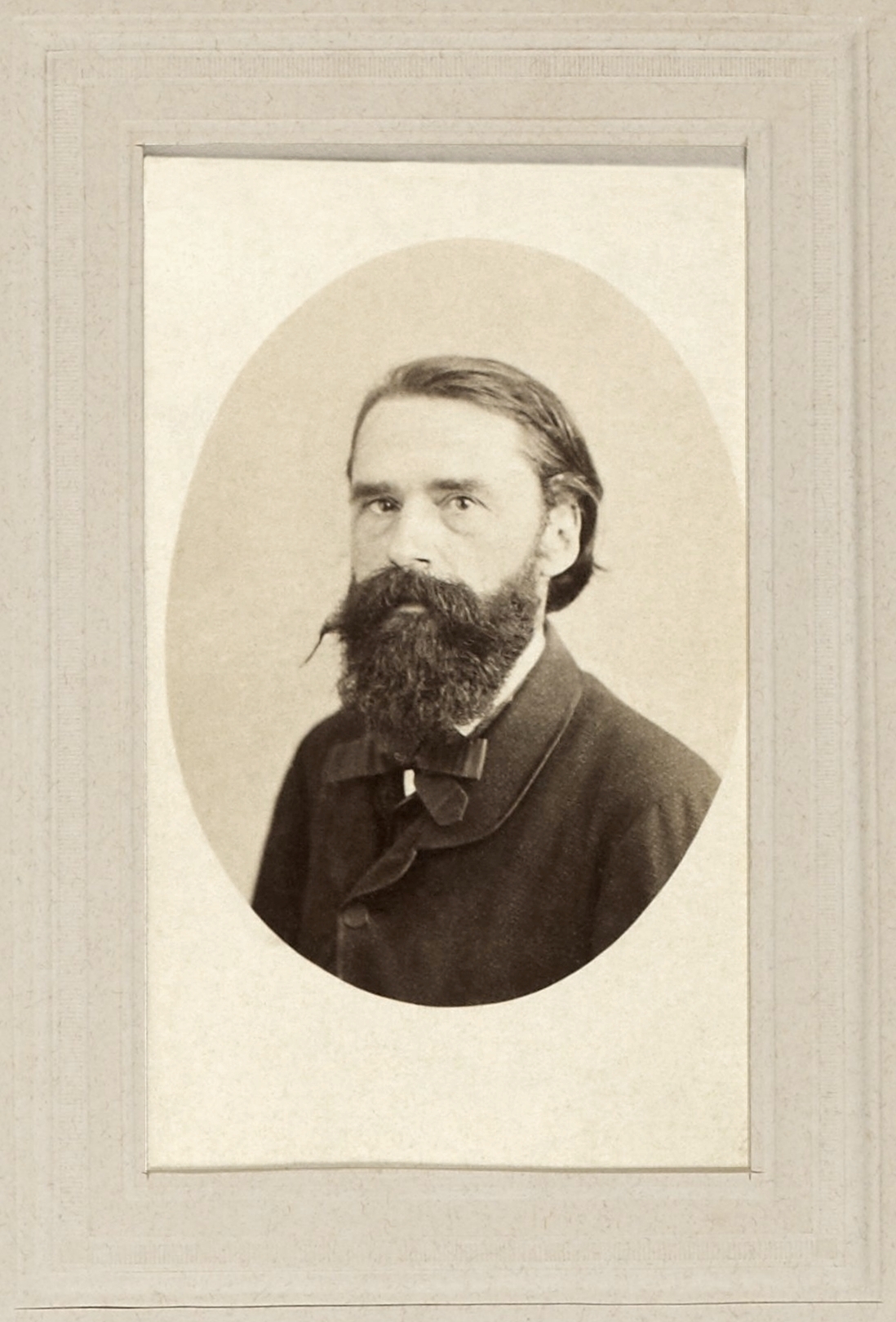
Ferdinand Gregorovius
1821-1891
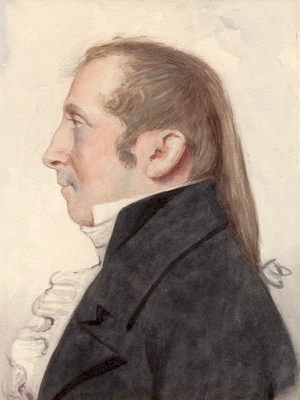
Robert Kerr
Robert Kerr
1755-1813
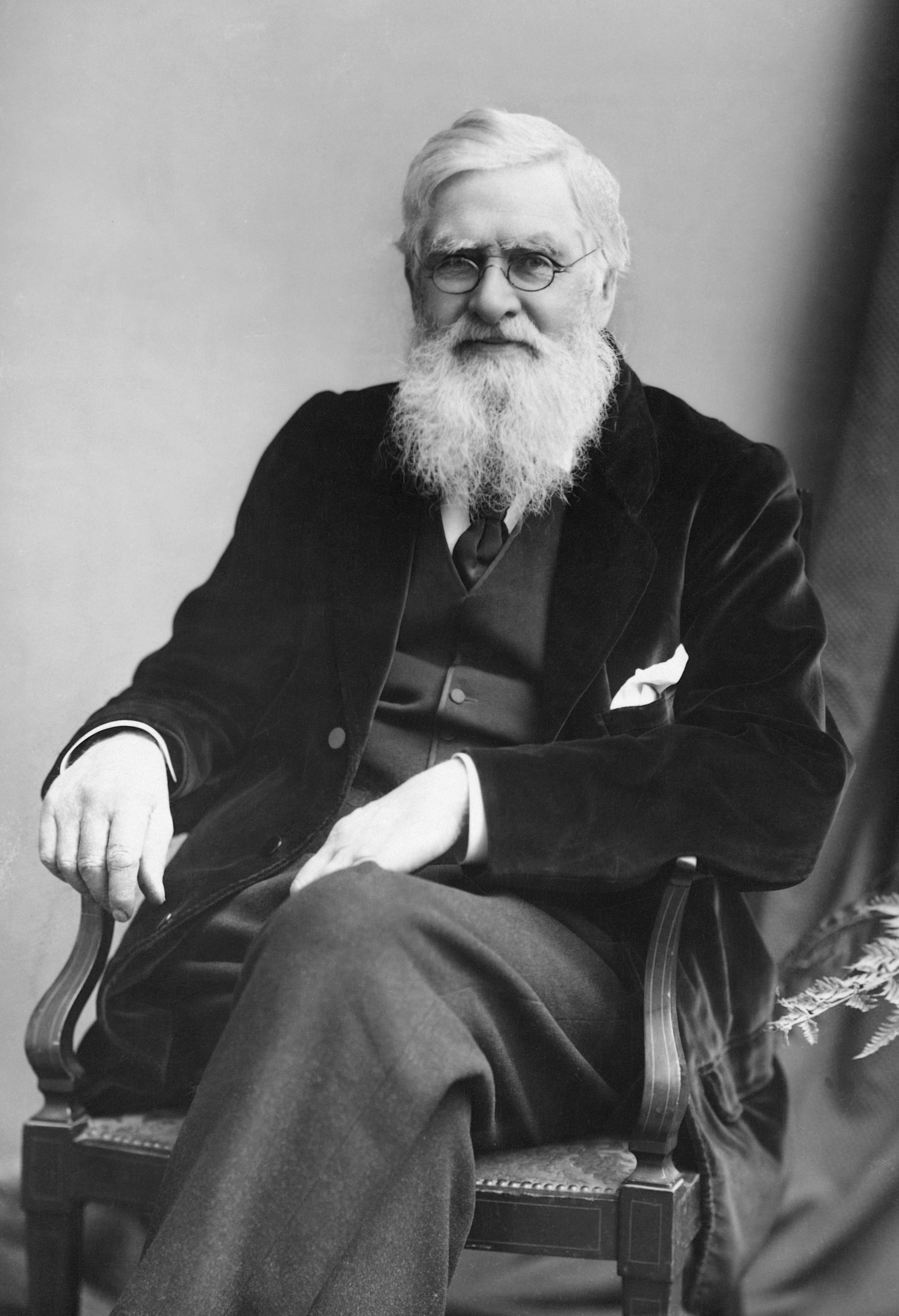
Alfred Russel Wallace
1823-1913
Edward A. Freeman
Edward A. Freeman
1823-1892
Francis Parkman
Francis Parkman
1823-1893
Samuel White, Sir Baker
1821-1893
John Tyndall
John Tyndall
1820-1893
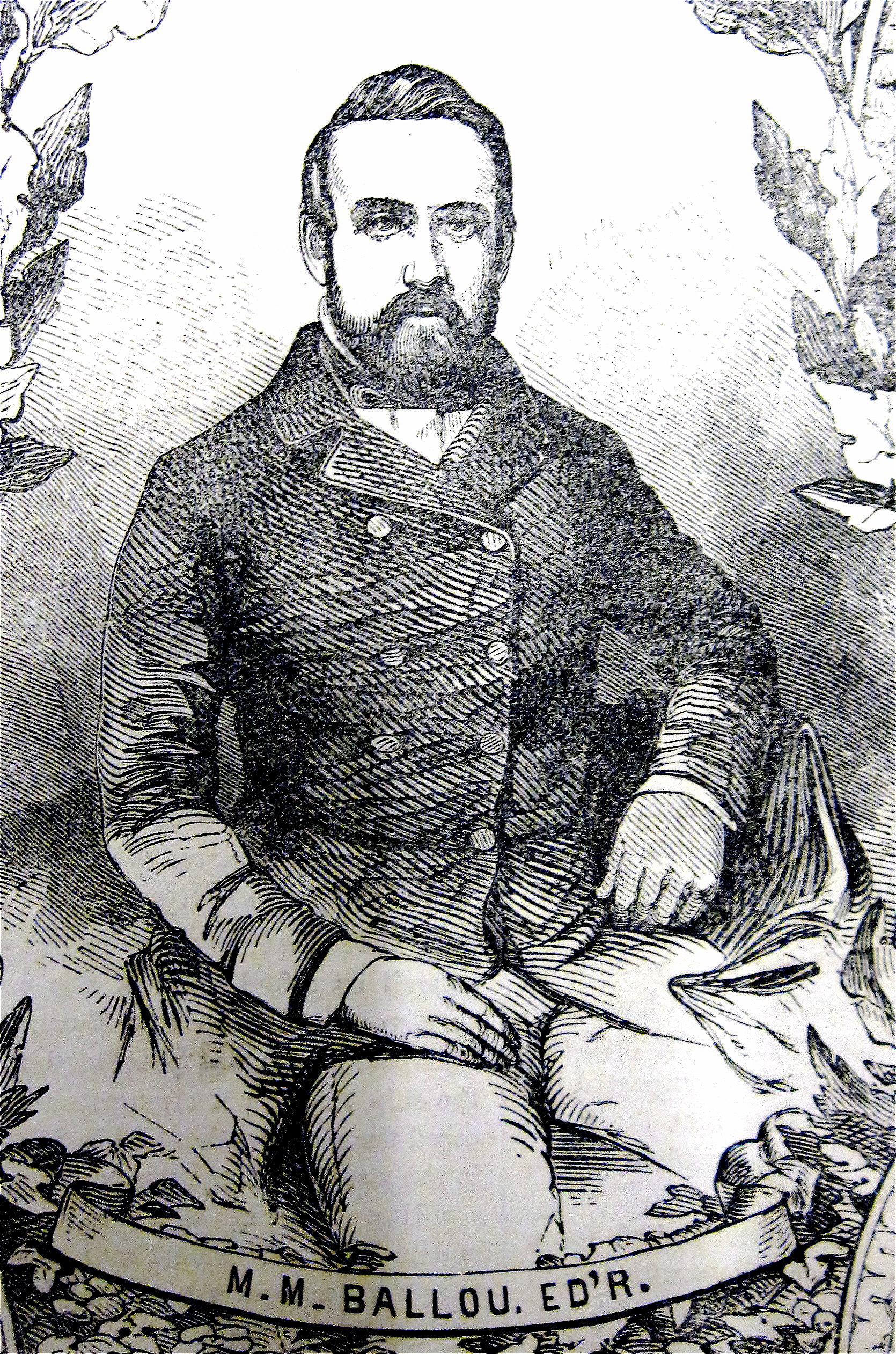
Maturin M. Ballou
Maturin M. Ballou
1820-1895
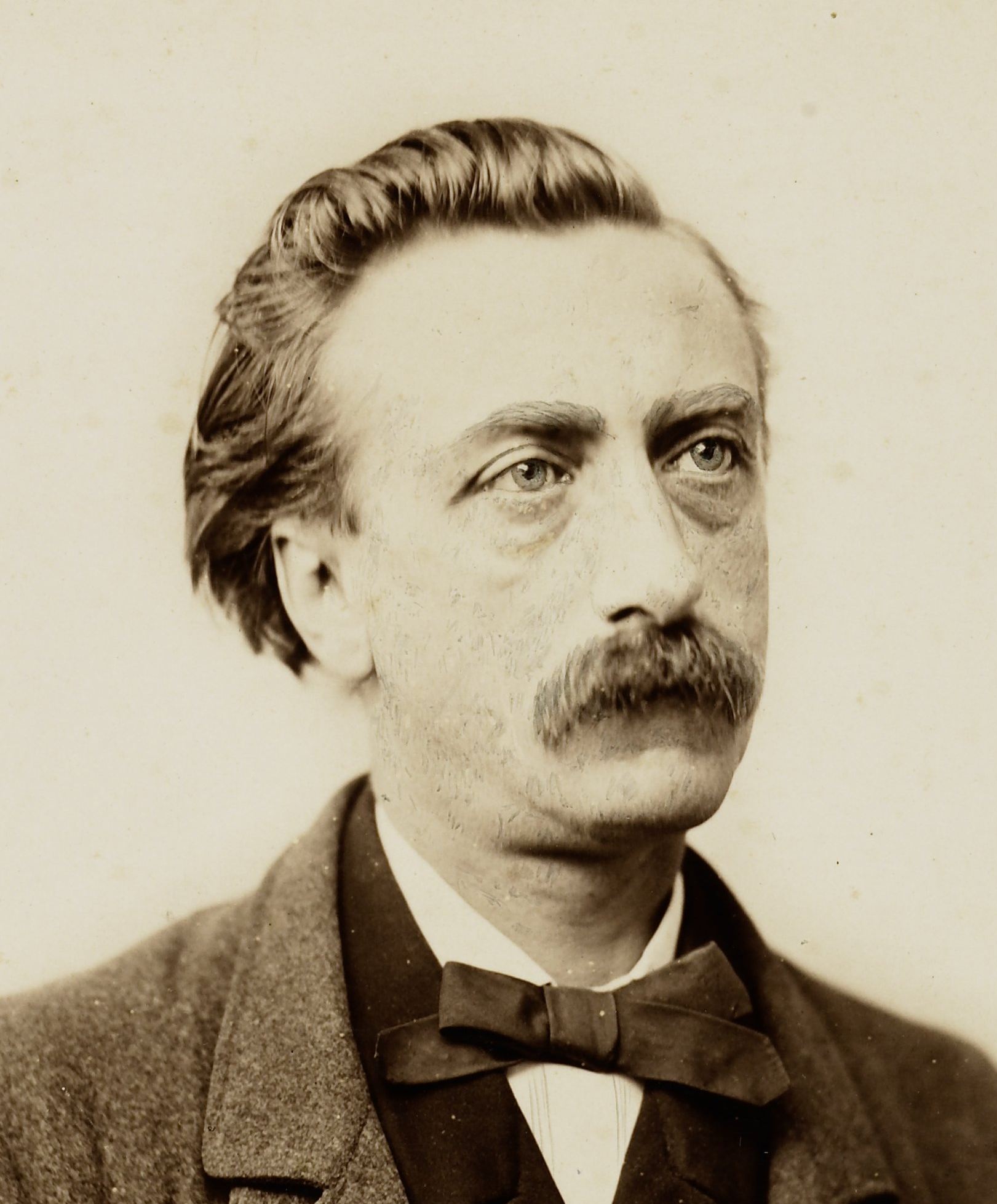
Multatuli
1820-1887
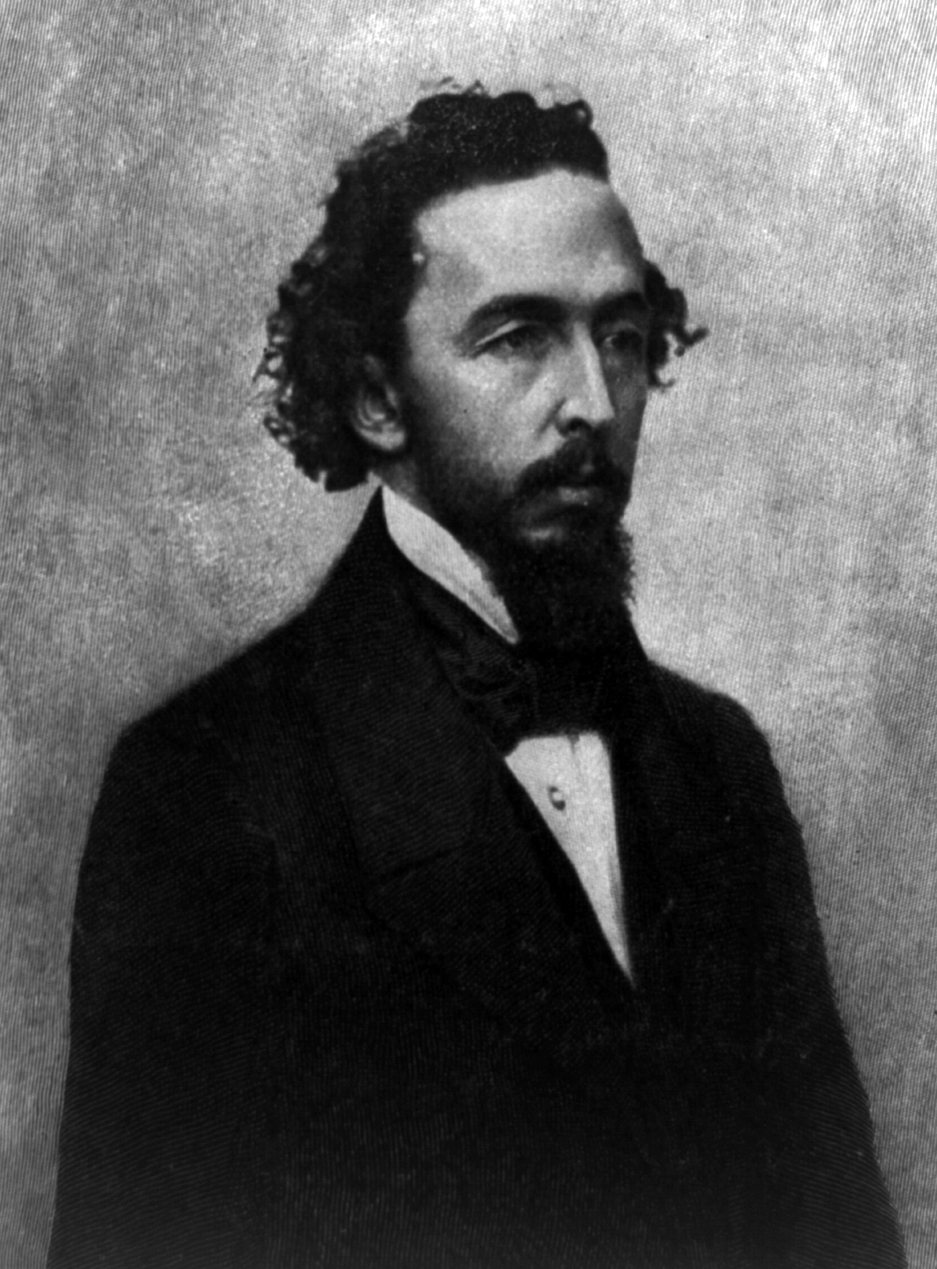
Bayard Taylor
Bayard Taylor
1825-1878
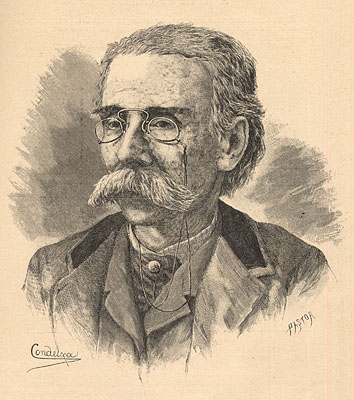
Camilo Castelo Branco
1825-1890
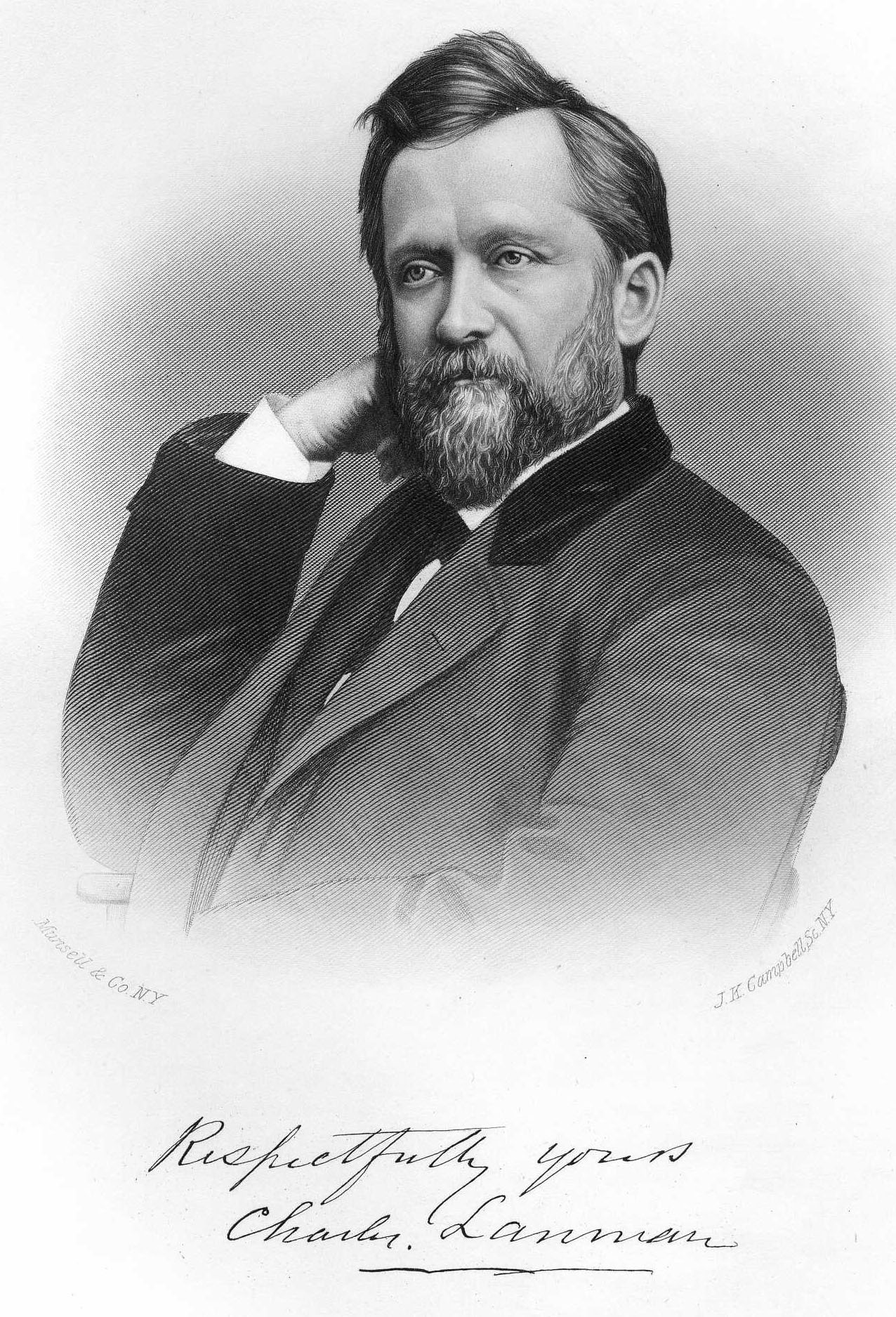
Charles Lanman
Charles Lanman
1819-1895
Henry Charles Lea
Henry Charles Lea
1825-1909
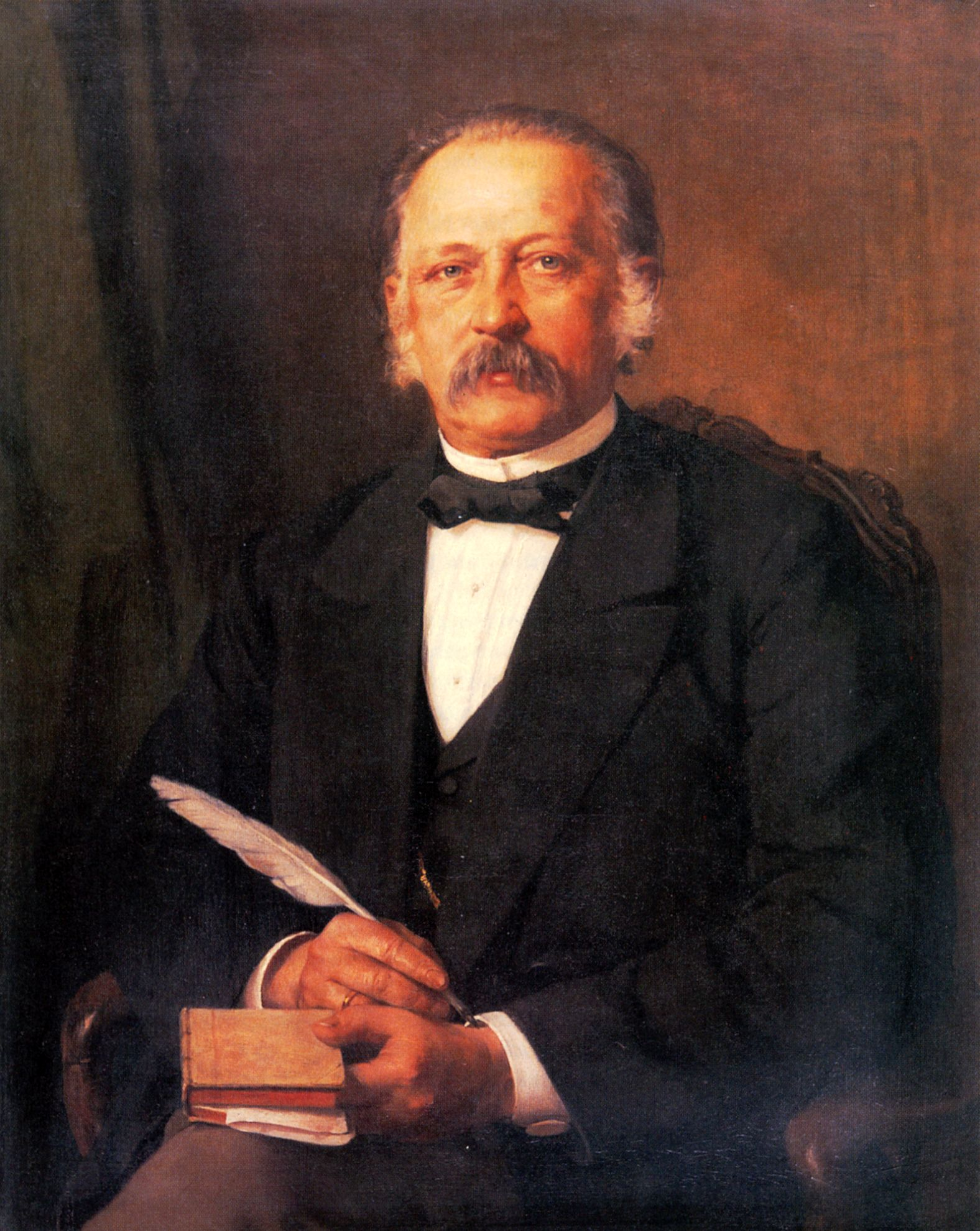
Theodor Fontane
Theodor Fontane
1819-1898
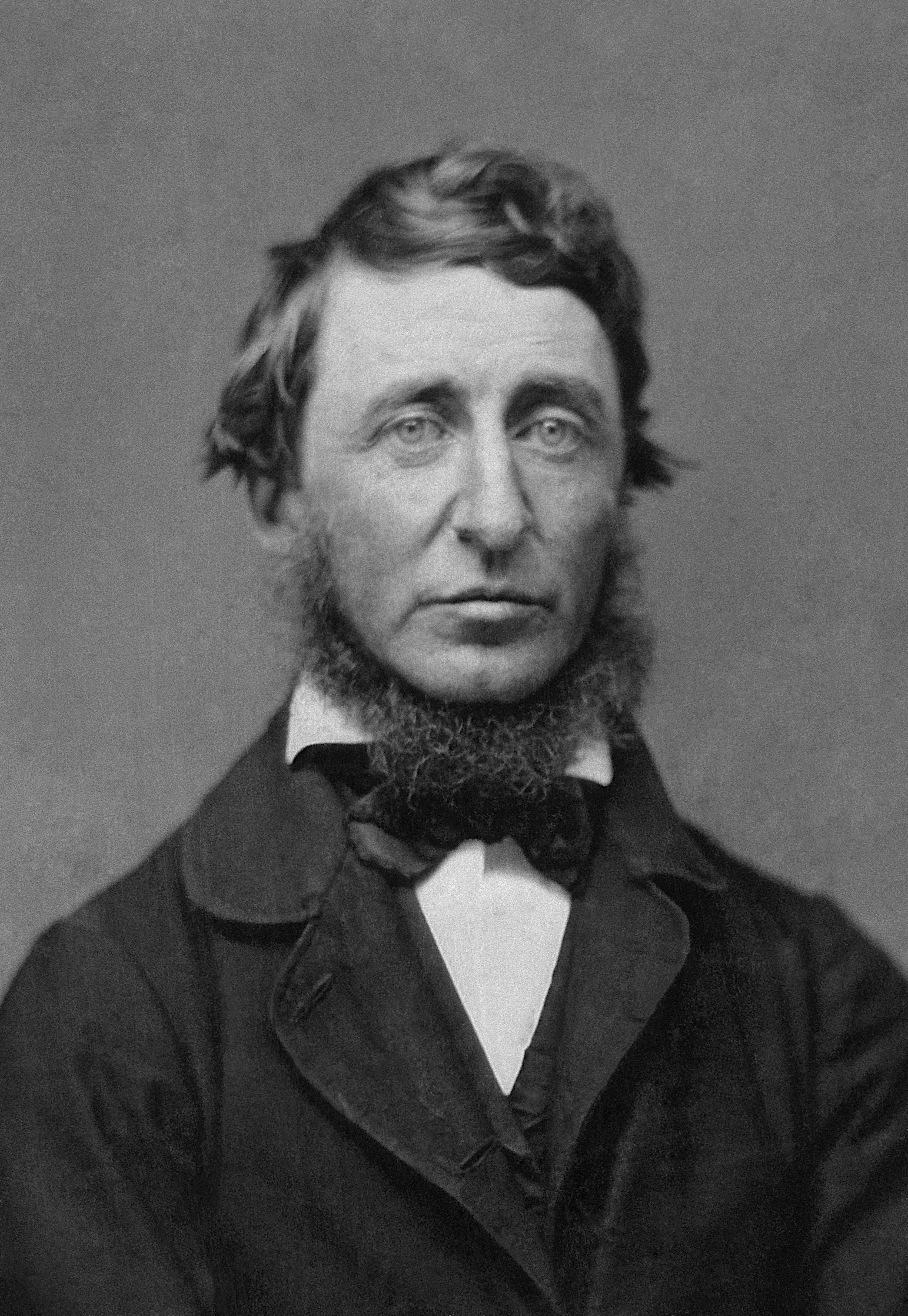
Henry David Thoreau
Henry David Thoreau
1817-1862
Pasquale Villari
Pasquale Villari
1827-1917